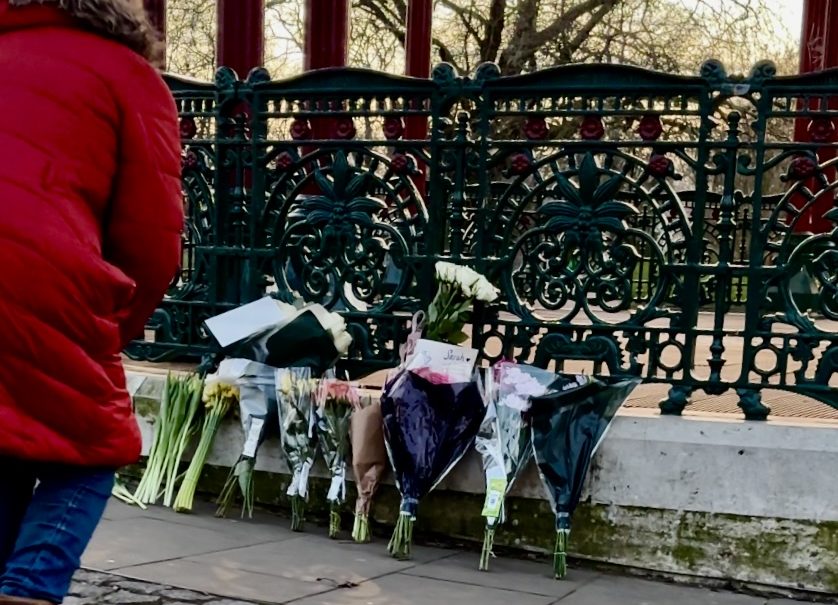
A vigil was held in Clapham Common bandstand to commemorate the fifth anniversary of Sarah Everard’s death.
In the early evening of Tuesday, a moment of silence and mourning was held for the remembrance of Everard and any other women and children who have died as a result of violence – prompting flowers, cards and emotional solidarity.
Everard was kidnapped, raped and murdered by an off-duty police officer, Wayne Couzens, in the Brixton Hill area on 3 March 2021, prompting the call for major legislative changes to be imposed to improve the safety for women both locally and nationally.
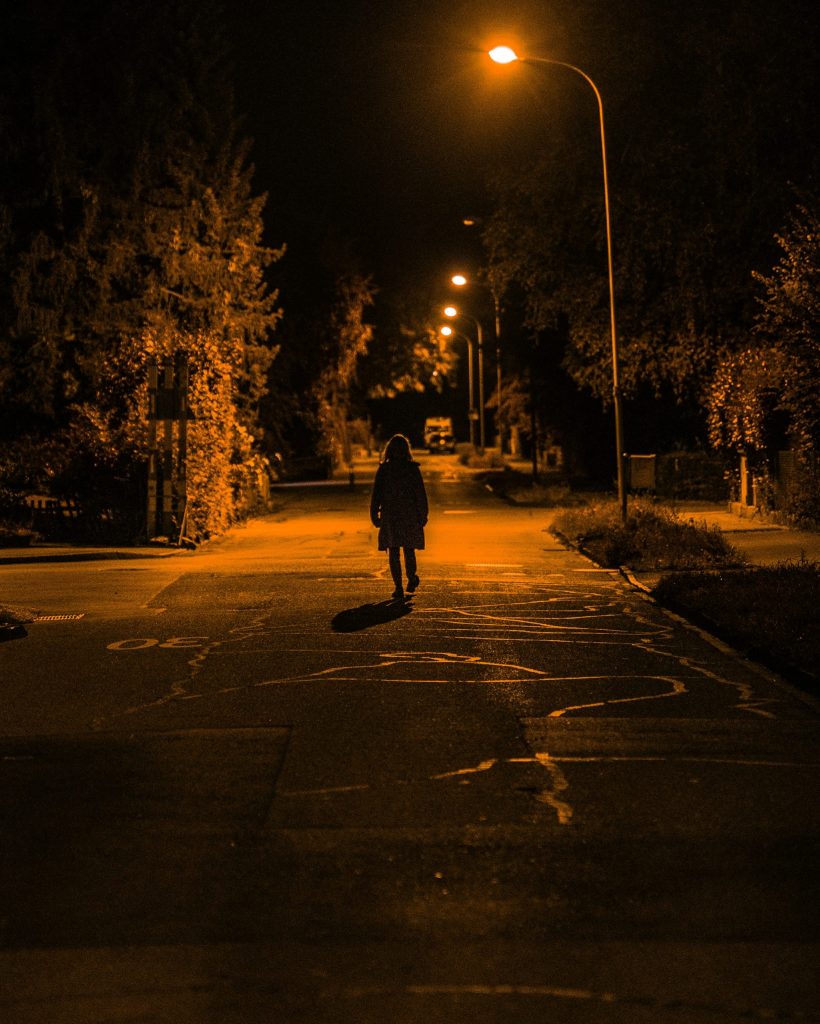
However, amongst the prayers and remembrance, questions have been raised about the progress and development of adequate legislative measures in the improvement of women’s safety on the streets.
“I’m definitely really cautious about going out in the evenings. I usually try to avoid it, especially parks,” an attendee told the South West Londoner.
Another attendee said: “I think so little has changed.”
In an exclusive interview, Klara Fine, one of the organisers, said: “The epidemic of violence against women starts from schools, and much, much more needs to be done there.”
Amy Watson, the founder of Hassl, an independent, UK-based, social enterprise aimed at tackling violence against women and girls globally, said: “I don’t think anywhere near enough has been done.
“I think historically, which is one of the reasons I started Hassl, we’ve just been obsessed with plastering over the problem and getting women to navigate violence.
“We’re all about redirecting the responsibility for safety away from women as individuals and onto society as a whole, especially by inviting men to be part of the conversation and the solution.
“We have more than 3000 volunteers in more than 120 countries across the world, working on different parts of advocacy and building that network so we can make sure we’re global, inclusive and extensive.”
Hassl began as an independent body just over a year ago, tackling violence against women through work-based training, education and creating access to a library of free teaching resources for understanding deeply rooted misogyny and its effects on the levels of violence seen against women.
It is one of many organisations constructed in recent years, forming a response to tragedies such as Everards through education, advocacy and calls for heavier legislation.
Watson added: “We’ve got to a point where we’ve normalised it and decided that violence is inevitable, the only way we truly solve it is by preventing it.
“I believe that this needs a long-term, systemic solution.
“In trying to make that education accessible to frame it in a way where it doesn’t alienate men, but it also doesn’t diminish women’s experiences.”
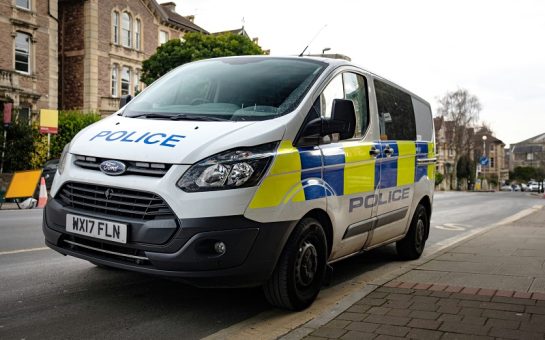
Everard’s death sparked national outrage over the structural issues against the safety of women and continued allegations of rape and sexual assault by the Metropolitan Police force.
A Sky News report released this week revealed “dozens of serving police officers across the country have been investigated for rape since the murder of Sarah Everard”.
Another line from the report read: “The force has been conducting a higher rate of sexual misconduct investigations since 2021, as a result of increased scrutiny and re-vetting initiatives.”
In a recent BBC report speaking to the MET, commissioner Mark Rowley said: “I can give the reassurance that we’re doing everything possible to avoid people who are a risk to anybody – women and children or otherwise – joining the organisation or staying in this organisation.”
Whilst some women the South West Londoner spoke to agreed more needed to be done from within those with positions of power, it was made evident that many feel it is a much larger and more structural issue within society.
Watson said: “We have real potential to shift things. It just requires a shift in attention and not just focusing on supporting survivors, but actually preventing that violence in the first place.”
Featured image credit: Siena Westcott-Toi