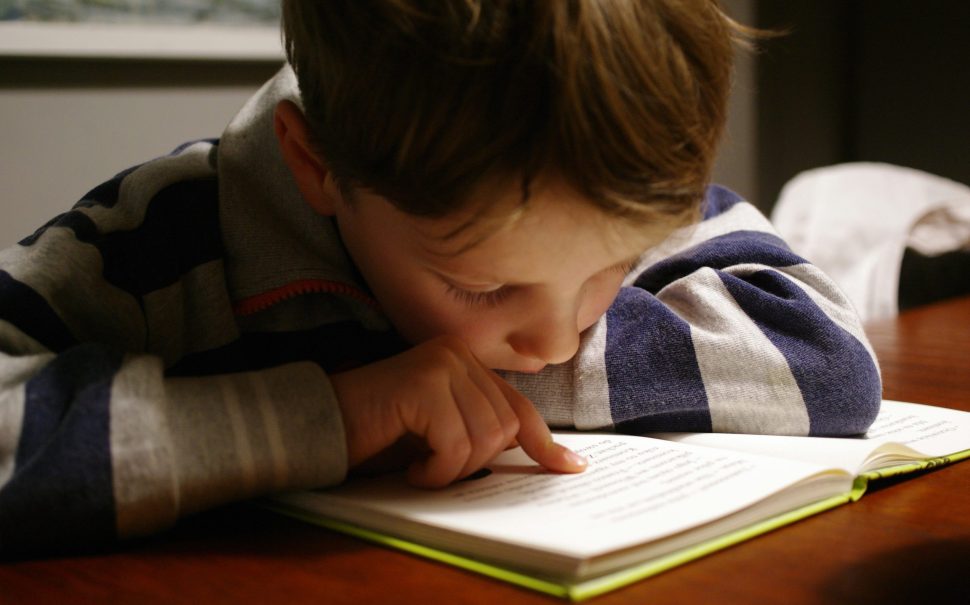
Teachers have underlined why reading from a young age is crucial as studies show the number of children reading for pleasure continues to drop.
The Department for Education (DfE) and the National Literacy Trust (NLT) have teamed up to promote 2026 as the National Year of Reading in a bid to reverse the trend of just one in three aged eight to 18 saying they enjoyed reading in their free time last year.
Reading is linked to a host of outcomes such as mental health, overall academic confidence and writing skills, with new government data showing it could lead to an extra £65,000 of earnings over a working life.
School performance is one indicator of how reading impacts children’s development with clear gaps between those with higher literacy skills and GCSE results.
James Gordon, a high school senior assistant principal and special educational needs and disability coordinator (SENDCo), explained students who read at a level equal to or higher than their age often do far better in GCSE exams than those who read at a level below their age.
He said: “But this is not only due to reading programmes per se, but also due to disadvantage.
“Students who are classed as disadvantaged have a correlation with reading performance.”
Disadvantaged children are those who schools get additional funding for, and are pupils from low-income families or SEND pupils.
Gordon stressed multiple approaches need to be taken to uplift reading levels and general attainment in children.
He said: “To improve reading you are actually looking at programmes that not only tackle reading but tackle poverty, homelessness, SEND support, domestic violence, free school meal access etc.”
Beyond academic positives, reading for pleasure also has benefits to other areas of children’s development.
Janet Stephenson, a retired primary school teacher, used reading as a tool to help her classes focus when moving between parts of the day.
She said: “Reading for pleasure can change behaviours to become calm and engaged.
“I used to have 15 minutes quiet reading every day after lunch to bring down the heightened behaviour of lunchtime.”
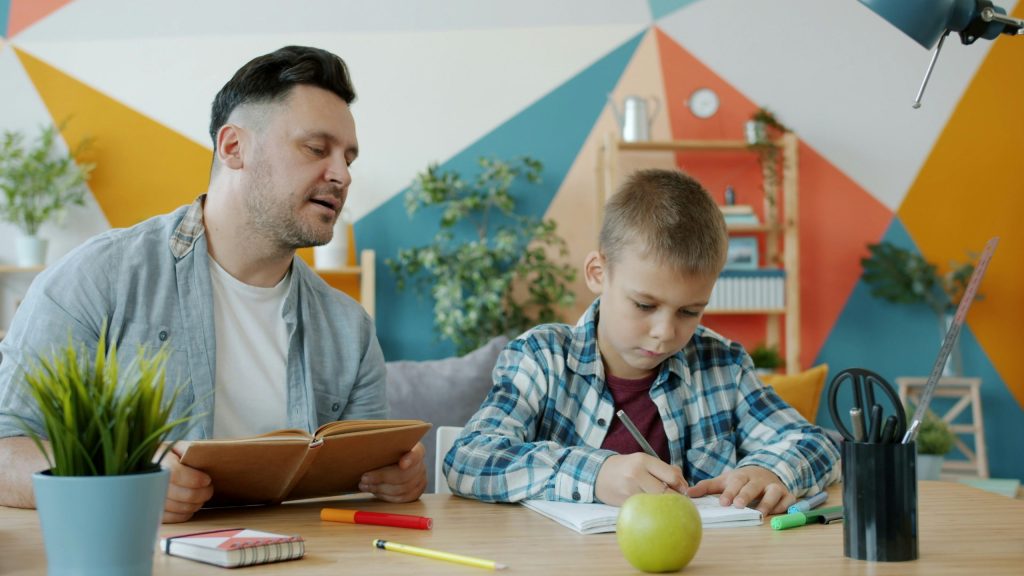
Additionally, the National Year of Reading aims to help parents encourage a love of reading in their children outside of school.
Petra Brown, a primary school teacher and parent of four, made reading part of her children’s every day life at home, from bed time stories to trips to the library and keeping all sorts of books around the house.
She said: “I tried to model reading myself too, so they saw it as something enjoyable rather than a task.
“Reading has strengthened their empathy, creativity, and independence — all those subtle qualities that help children become thoughtful, curious, and resilient young people.”
To help address families’ access to books, this summer the NLT will distribute over 72,000 new books to children in areas with the highest rates of child poverty to support positive reading habits at home.
Consistent access to books is key to a sustained love of reading.
Beneath the long shadow of austerity local libraries have closed across London and the cost of living crisis leaves bookshops simply unaffordable for many.
The written word may be one of humanity’s greatest achievements, and we owe it to our children to pass it on to them.
Feature image: Free to use from Unsplash/Michał Parzuchowski