Driverless-taxis will debut publicly in London later this year in a first for British roads– but black-cab drivers have expressed increasing caution over the technology.
Wayve, a British start-up founded by two Cambridge University PhD students in 2017, raised £950 million in a new funding round this month- valuing the company, which has yet to launch a service, at a colossal £6.5 billion.
Following the funding announcement, Technology Secretary Lix Kendall said: “Wayve is a powerful example of the strength, ambition and potential of Britain’s innovative firms.
“We will continue to create the conditions for world-leading firms like Wayve to start, grow and scale, creating great jobs and opportunities for people in every corner of our country.”
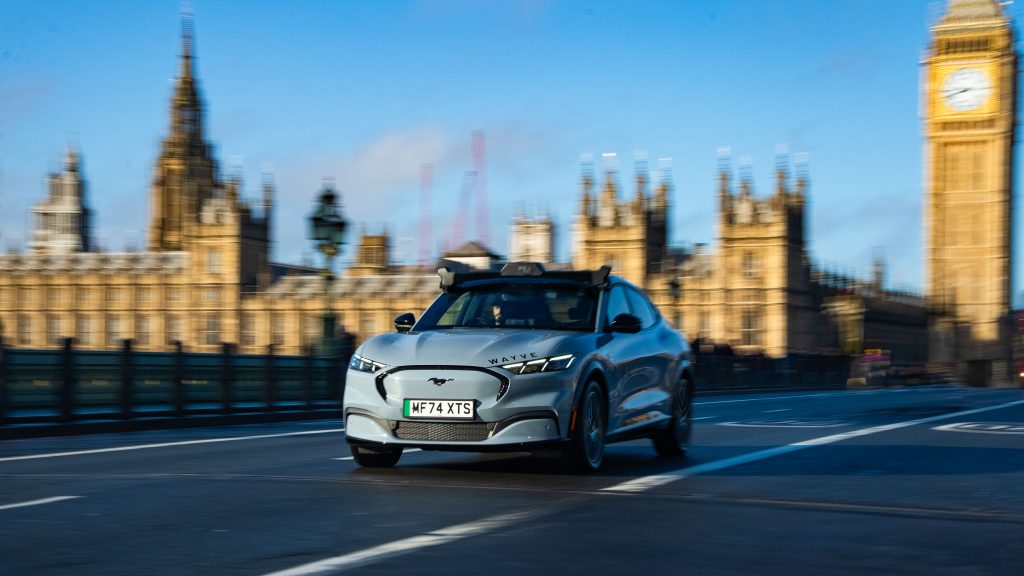
It comes as Wayve and Google-owned rival Waymo have been sighted testing their vehicles on the streets of London ahead of planned public debuts after an expected regulatory change later this year.
American startup Waymo’s service has been available in San Fransisco since 2024, where the city’s broad roads and simple grid-system have eased the introduction of the camera-enabled technology– but Autonomous taxis have not yet proven themselves on London’s complex road-system.
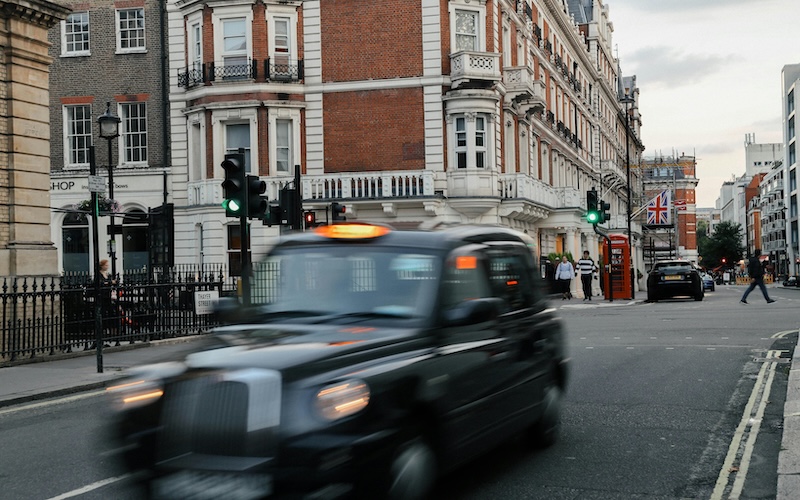
Doubts have been expressed by London’s black-cab drivers, who must famously pass a gruelling test known as ‘The Knowledge’, memorising every street in the capital, before they earn their world-renowned London cab license.
Steven McNamara, General Secretary of the Licensed Taxi Driver’s Association, said automated taxis were “a solution looking for a problem”.
In San Francisco, ‘Jaywalking’ across the street outside of a designated crossing point is illegal, but in London pedestrians, cyclists and other bike-hire service users regularly weave their way across the road network.
McNamara said: “It’s virtually impossible to drive anywhere without somebody walking in front of you.”
“How are these cars going to deal with those volumes of people?”
Speaking to Sky News last year, McNamara said: “It’s a novelty, it is a gimmick. Who needs a driverless cab?”
Cab drivers on London’s streets echoed McNamara’s views, David Forth, 67 said: “I think it’s just a waste of time. It’s designed to make more drivers unemployed and it’s not going to work in London.”
Forth said he doubted autonomous cars would have the nouse to tackle busy junctions like Hyde Park corner, saying: “In order to be able to drive in London you’ve got to be bold and you have to edge-out sometimes, and autonomous taxis would never do that.”
Driver Tony Middleton, 68, said morale among cab drivers isn’t great, he said: “There was always around 25,000 Taxi drivers on the road, now I’m told there’s just over half that amount– that tells the story doesn’t it.”
Middleton said other industries were facing the same threat, pointing to self-service scanners in a nearby shop, he said: “I think it’s frightening, but what can you do about it?
“It’s alright for me, I’m 68. But I just worry about my son, he’s a taxi driver, he’s 34, so what future has he got? And then what future have my grandkids got?”
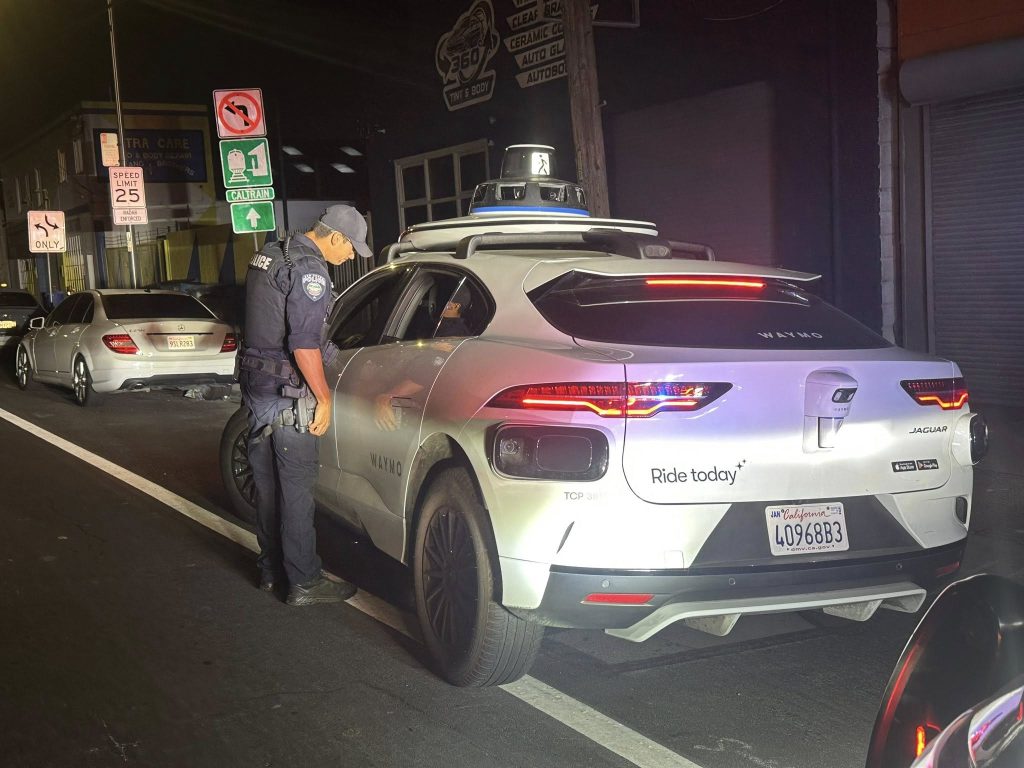
Responding to critics, Waymo spokesperson Ethan Teicher said: “We’re not here to replace anyone.
“We’re here to add another option for people who will choose to take black cabs or other modes of transport when it suits them, and choose to take Waymo when it makes sense.”
Addressing cab-driver’s fears, London Mayor Sidiq Khan said that while he wanted London to be the global capital of innovation, enterprise and creativity “this must not be at the expense of jobs and livelihoods.”
Automated Passenger Services will need to be granted permits by Transport for London before they are allowed to operate, Khan said, adding that this consent “would be based on permit applications supporting the objectives on my Transport Strategy”.
Featured image credit: Yelena Odintsova.