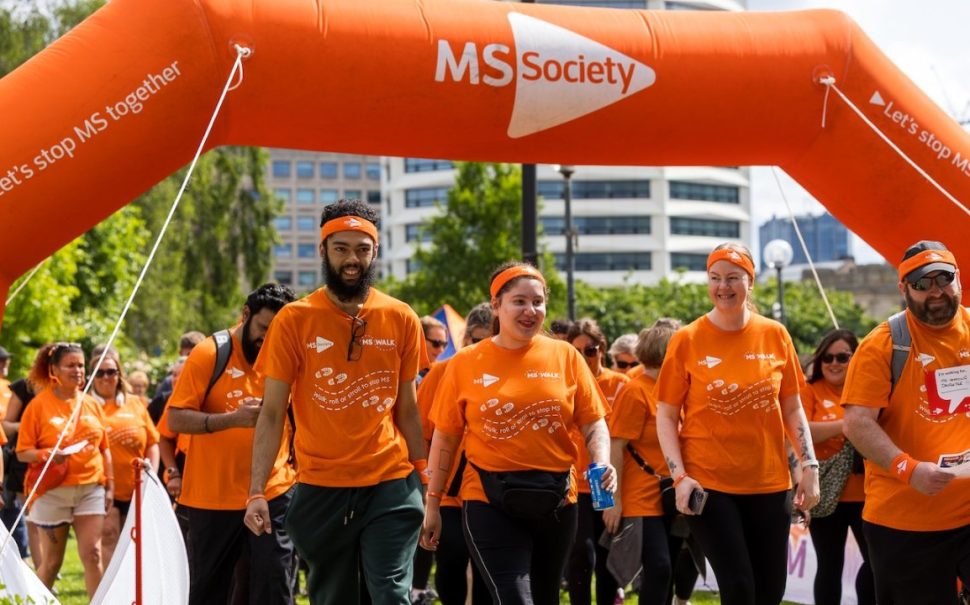
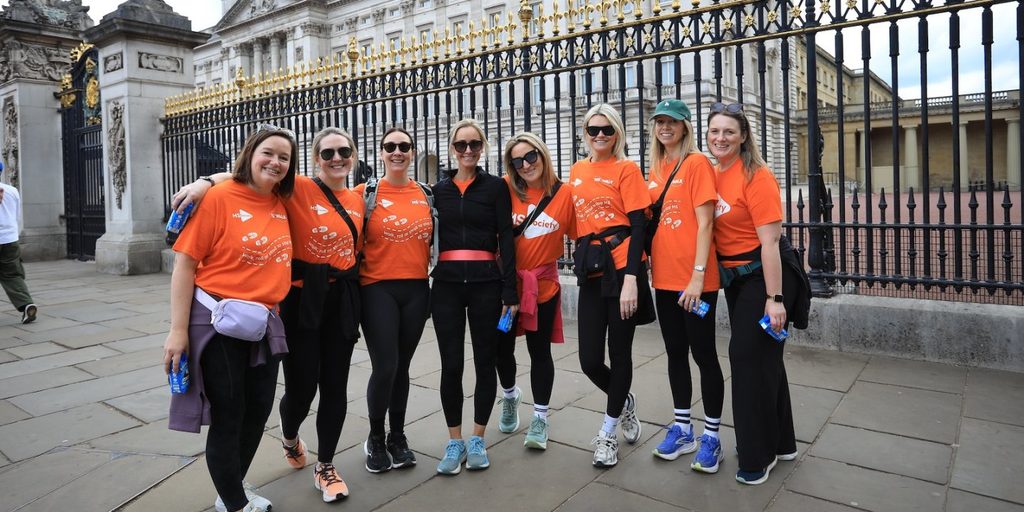
The MS Society’s London fundraising walk will take place on Saturday to raise money for those impacted by the condition.
The charity hopes to raise over £100,000, with over 600 people expected to attend the fully accessible walk.
Mark Haymes, head of community and events fundraising, has worked at the MS Society for the past 14 years.
“The MS community is really strong,” he said.
“The walk celebrates what they’ve achieved this year with their fundraising.”
At the end of the walk, the charity is hosting a big event village, where people can meet others from the community and gain a deeper insight into the society.
A wide range of people are taking part in the walk, from those with MS to family and friends of those impacted by the condition.
Lauren Morely, 32, is helping to raise funds for the charity in support of her father, Kevin, who has lived with MS for 25 years and has no mobility from the neck down.
“Raising funds matters to us because we have seen first-hand the severe and progressive impact the condition can have on a person’s life,” she said.
Her eight-year-old daughter, Phoebe, is very close with her grandfather, who she has nicknamed “grandad in bed”.
Morely added: “Although Phoebe sometimes finds it difficult to understand why he cannot get better, she always turns the outcome into a positive.
“Taking part in the MS walk with her makes me feel so proud.”
Morely and her daughter are just two of many people taking part in the MS Society’s events across the country.
Saturday’s London event is one in a series of fundraising walks, which have taken place on a national scale from Glasgow to Manchester to Belfast.
These sponsored walks have been taking place since 2013 and have collectively raised over £2million.
The charity plays a significant role in funding world-class research and is advocating to make sure that people can access the support they need.
The organisation raises awareness among the general public about what it is like to live with a disability.
Haymes said: “The MS community drives a lot of our decision-making, and that’s becoming more and more important, particularly in the society we live in, with its pressures on welfare.”
He added: “We’ve got to do better as a society.”
Featured image credit: MS Society