“Why bother?”
This was a question all the women the SW Londoner spoke to were asked by someone close to them when seeking an ADHD diagnosis.
What is the point if you’ve made it this far through life?
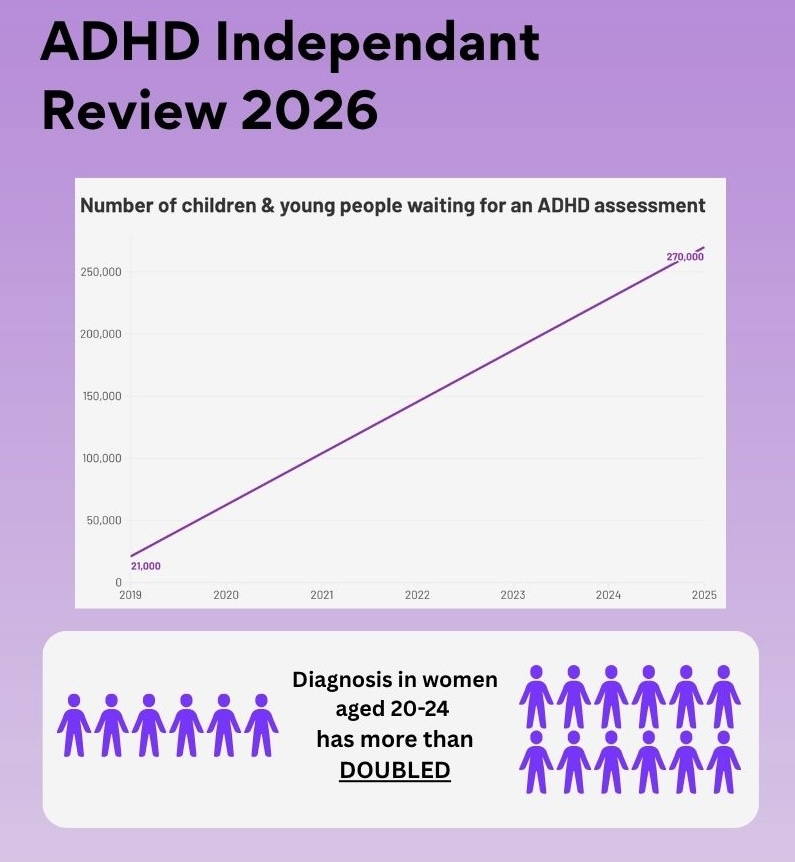
A NHS Independent review reveals waiting lists for ADHD assessments and recorded diagnoses have increased substantially since 2019 – particularly among adolescent and young adult females, with the data showing a sharp acceleration in diagnosis after 2020.
In this dataset, diagnosis in women aged 20 to 24 more than doubled compared with pre-pandemic trends; however, this data also noted a gap in some demographic groups, “particularly among adults, which suggests that some people who may benefit from diagnosis and support are still not being identified”.
For years, ADHD in women has been largely overlooked, with as many of the stereotypes we conceive with the order being comprised from research done on predominantly (or exclusively) male participants, limiting our understanding of ADHD in females.
Women may develop strategies to compensate for difficulties with concentration, impulsivity and emotional regulation, often learning to mask these experiences.
However efforts to investigate ADHD in females is increasing and many women are now seeking answers later in life.
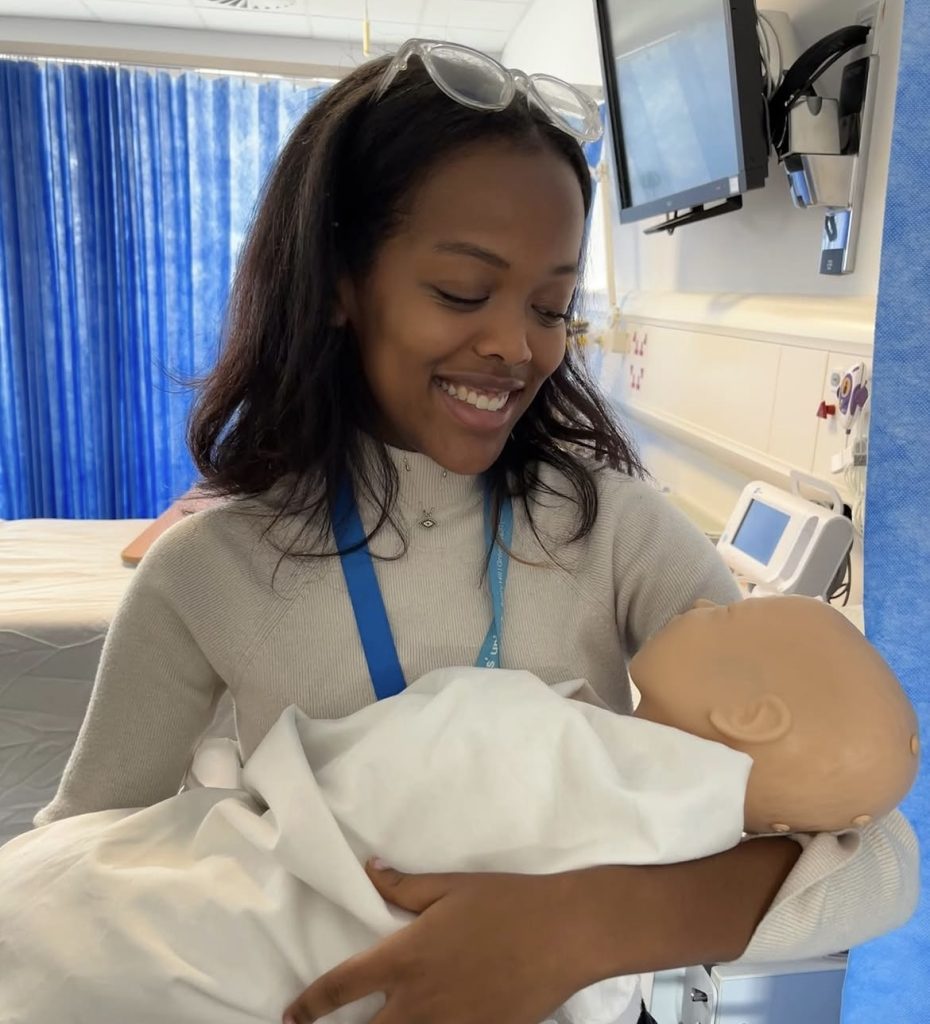
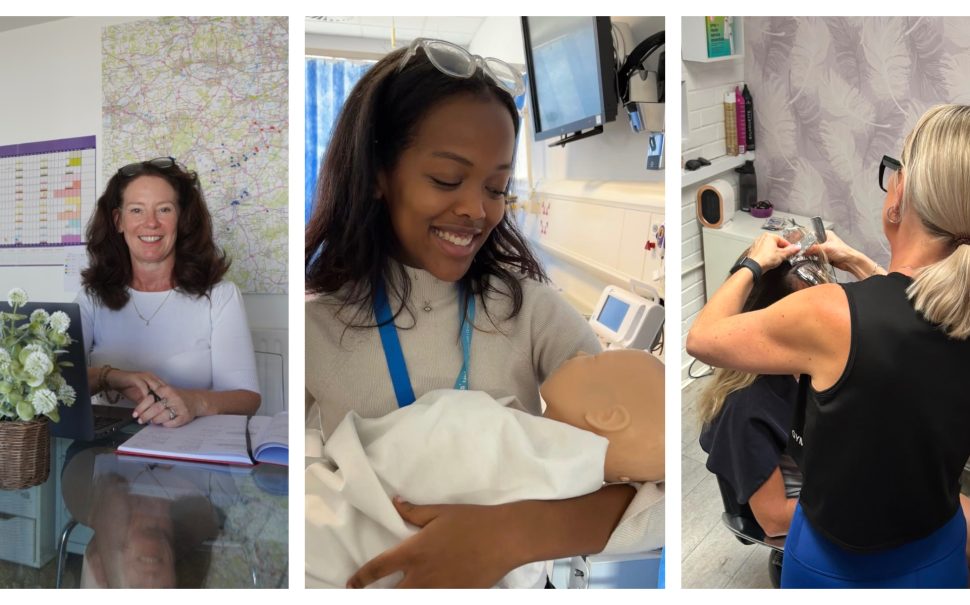
For 23-year-old midwife Nadia Toto, it was the realisation that experiences she had spent years blaming herself for could be explained by ADHD.
“I always used to miss whole halves of my exam paper. I’d get really distracted in my exam – and I thought to myself, that was weird – no one else did that,” she said.
“My parents would always be like: ‘Why are you like this?’”
Nadia opened up about her experience emotions with ADHD and spending much of her life trying to appear socially acceptable.
“I used to have big, overwhelmed, big emotional reactions and then spend all this time trying to seem socially acceptable to other people, which is really exhausting,” she said.
It was not until she was 21, while studying midwifery at university, that she was referred for an assessment through the NHS ‘Right to Choose’ pathway and later diagnosed with ADHD.
She was later diagnosed with ADHD.
“It made a lot of sense to me, I would go through these hyperfixations for days and then I’d forget all about it after three days and wouldn’t care,” she said.
For Nadia, her diagnosis brought clarity to her life.
“It’s helped me love myself more. It doesn’t feel like a deficiency anymore; it feels like I can understand my brain,” she said.
“I used to think I was a failure. Now I don’t blame myself as much anymore.”
“I can do things others can’t, and it feels more like a superpower.”
For some women, that understanding comes decades later.
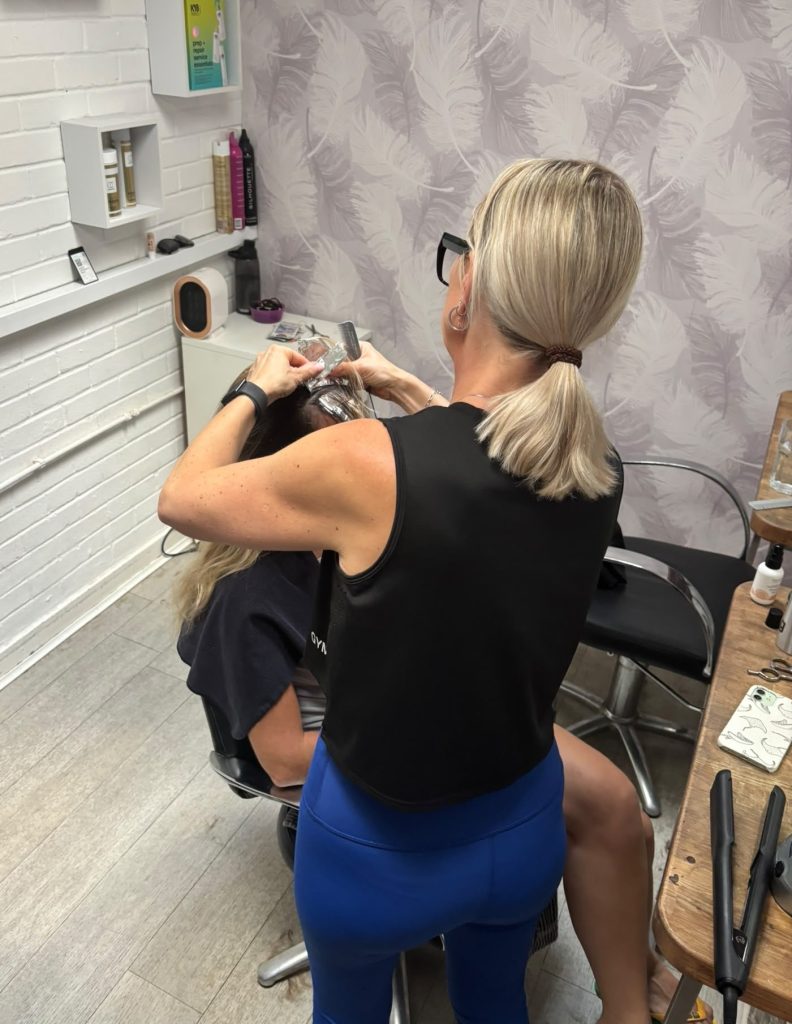
Stephanie Skyes, 51, received her ADHD diagnosis a year ago, after raising a family and building a successful hairdressing business.
She had long suspected she had ADHD, but it was the onset of perimenopause that eventually led her to seek a formal diagnosis.
“I’d always believed I had ADHD, but decided to seek a diagnosis when perimenopause hit and all the symptoms I’d masked for years came bubbling to the surface,” she said.
“My diagnosis has explained so much to me, about my childhood and time at school,” she said.
“I have spoken to so many people whose brains work like mine, who understand.”
Similarly to Nadia, this diagnosis helped Steph accept herself: “I think my diagnosis has made me understand and like myself more, its is not a disability – it is a superpower.”
Stephanie is one of a growing number of women seeking answers later in life, after years of building families, careers and businesses while managing difficulties they did not have a name for.
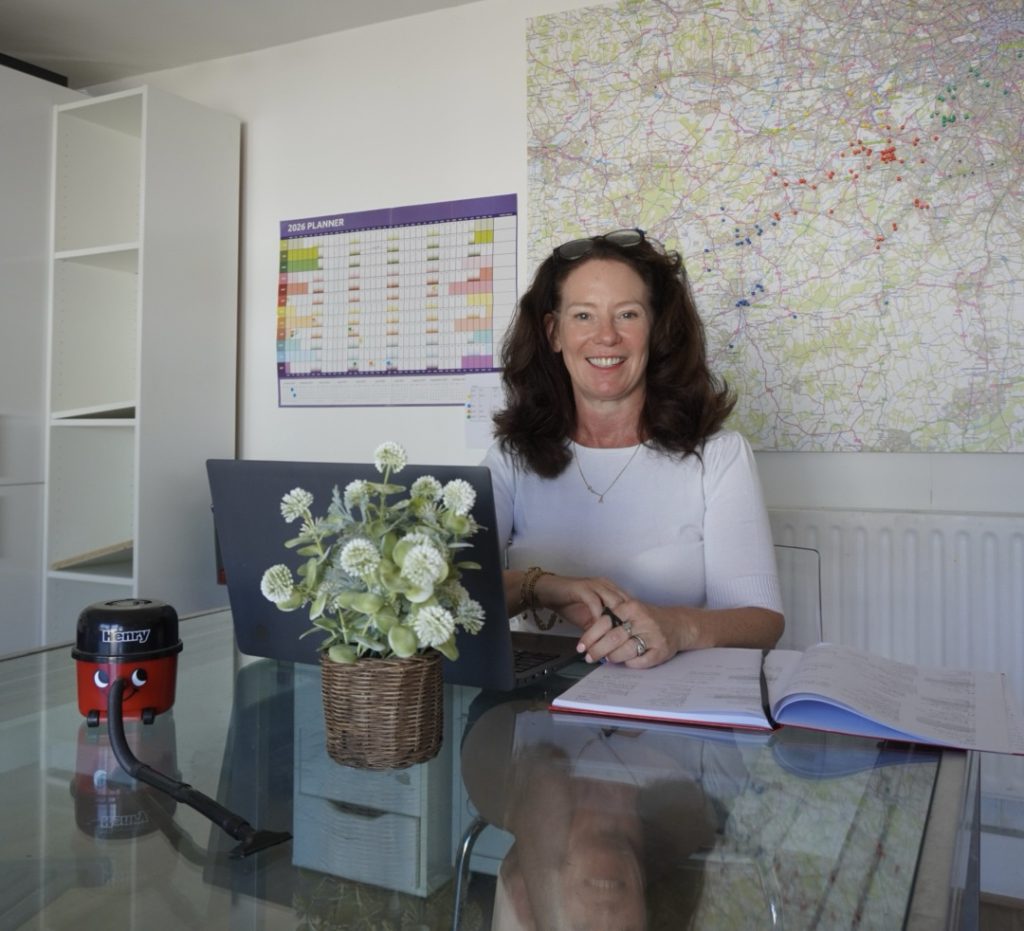
For 54-year-old business owner Abi Mulley, the process of seeking a diagnosis has forced her to reconsider her own experiences at school.
“I did terribly at school, and I recently read my reports. It breaks my heart to know I had the ability to do well, but I didn’t have the right support,” she said.
“I couldn’t concentrate at all, I had a special needs teacher, and in assembly I had to sit on a bit of carpet – no one else had a special bit of carpet.”
Abi struggled with concentration and memory throughout school and was bullied for her inability to concentrate.
She also describes a lifetime of impulsivity and hyperactivity that she believes went unexplained:
“I was extremely impulsive and, as a teenager, I self-medicated with drugs, I was basically stoned all the time from 15 to 48 until I had lung cancer,” she said.
After receiving an ADHD diagnosis, she says she has begun to recognise similar traits in the people she feels most comfortable around.
“With ADHD, I’ve found the people I get on with the most have it too. Birds of a feather flock together,” she said.
“We understand each other. We know it makes us nervous concentrating, we change the conversation mid-conversation and we forget things because there is so much going on in our heads.”
For Abi, the traits that may once have been viewed only as weaknesses have also played a role in her success.
“Having ADHD has helped me run a business which is quite successful now.”
“The hyperactivity has helped me because I’m headstrong and determined – I’m always thinking, ‘What can I do next?’”
These women are just some of the thousands who have passed the milestones of school and university and succeeded in the workplace despite their adversity – navigating a neurodivergence without adequate support.
This recent rise in diagnoses has attracted criticism and stigma, with some describing this as an ‘ADHD boom’ and questioning whether people are seeking diagnoses for practical benefits such as financial assistance or workplace accommodation.
However, the NHS have cautioned against reducing the debate to a simple question of overdiagnosis or underdiagnosis, with the evidence pointing to a more complex picture in which rising diagnoses and service demand can coexist.
These women are an example of this.
Seeking diagnosis whilst in established, successful careers, not for material gain, but for answers.
A diagnosis cannot give back the support they missed, the behaviour that was misunderstood or the years spent believing that their difficulties were personal failings.
But for women who have spent decades asking themselves, “Why am I like this?”, it can provide an answer.
And for some, that answer is enough to change the way they see themselves.
Featured image credit: Molly Finlay/Nadia Toto/Stephanie Skyes