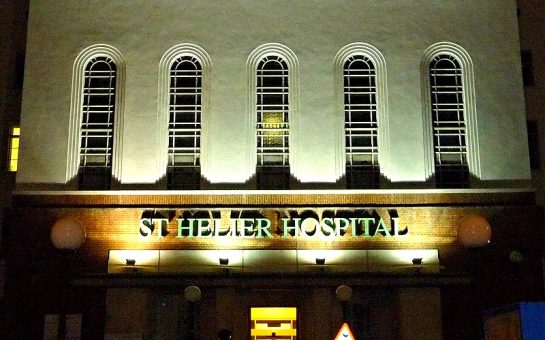
Kalayaan “Laya” Aquino came to the country in 2016, was contracted as a nurse, and during the Covid pandemic served on the front lines of the Intensive Care Unit (ICU).
To patients, she felt like not only their clinician but their companion, and supported them at some of the most vulnerable moments of their lives.
When families were unable to visit, Laya held an iPad beside patients’ beds so they could say their final goodbyes over video calls.
And in the grimmest of cases, she was the last person they saw.
During this time, Laya, like many healthcare workers, showed up every day despite carrying the emotional burden of her work after each shift.
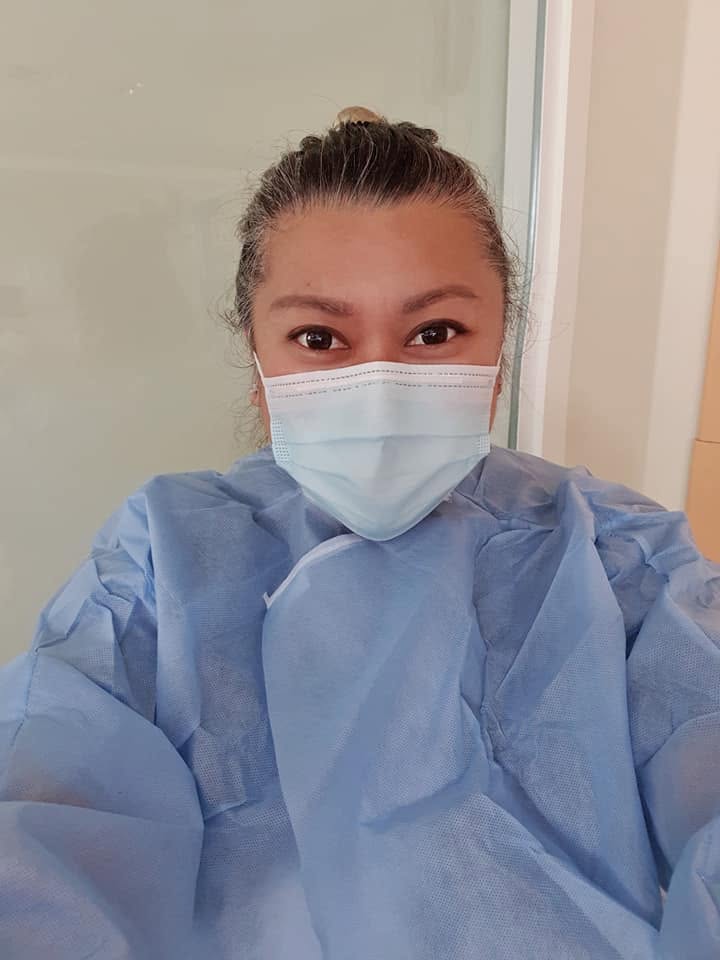
“Walking home, London is empty. Riding the bus alone, walking in the used-to-be-busy parts of the tourist sites in London,” she said.
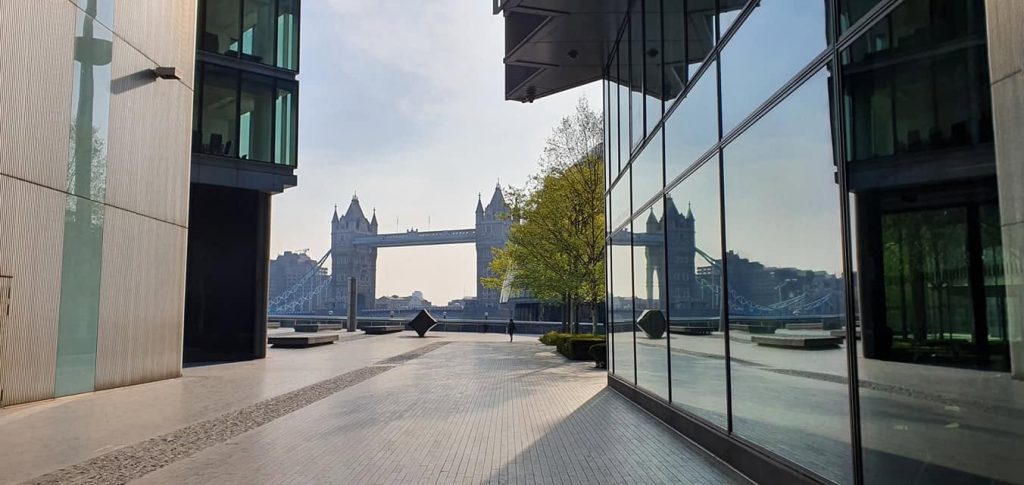
“I remember at one point going home in the evening, walking from the hospital, looking at the other side of the Thames is the Tower of London, and then looking ahead is the Tower Bridge.
“I don’t feel anything, but my tears are flowing.
“When I talk about it, when I write essays, it still hits me.
“Probably for other people it’s like it was decades ago, but for us, whenever the topic comes up, it feels like just yesterday.”
Despite how much the 49-year-old had invested in caring for her patients, there was another anxiety she carried quietly. For years, Laya worried that just one illness, one employment issue, or one policy change could take away the life she had built caring for others in Britain.
“It was only when I became a British citizen that I finally felt I could breathe,” she said.
When Laya, whose name translates to “freedom” in English, eventually obtained settled status, she finally had the stability to own a home and security to change careers.
Now working as a protection adviser, she helps Filipino healthcare workers navigate the same worries she once faced, as many confront the prospect of a longer and more uncertain path to settlement.
On June 23, 2026, the House of Lords Justice and Home Affairs Committee pushed back against the government’s white paper proposals to extend the baseline Indefinite Leave to Remain (ILR) period, essential in the route to settlement for migrants, from five years to ten.
The recommendation formed part of the government’s immigration white paper, published earlier this year, was contentious and prompted widespread criticism from campaigners, MPs and migrants.
Among those who raised concerns were Filipino migrants.
While many non-British nationals have historical or national ties to the UK, including through the Commonwealth, Filipinos primarily come to Britain through employment pathways.
Filipino nurses are now one of the three largest non-British nationality groups in the NHS nursing workforce, making them an essential part of the country’s health service.
Under the proposed earned settlement reforms, the timeline to settlement would vary depending on a person’s income and level of contribution to society, rather than a fixed period of residence.
The most controversial proposal was that these reforms be enacted retroactively to immigrants already in the UK, meaning those who had been waiting five years for their ILR would potentially have to wait even longer.
For Filipinos working in health and social care, the proposed extension was not just a longer wait, but would entail additional visa costs, prolonged uncertainty, and delayed stability for migrants who are trying to establish a life in Britain while continuing to support their families in the Philippines through remittances.
A London-based nurse, who asked not to be named, said the proposals intensified the anxiety many overseas nurses feel on top of their responsibilities as healthcare professionals.
“I believe that people who have consistently worked, contributed, and followed the rules should have a clear and fair pathway to settlement, without constantly feeling that they have to prove their worth,” she said.
Another healthcare worker in Manchester is approaching eligibility for ILR and has built a family in the UK. But she laments that the existing system is already financially exhausting.
“I can’t help feeling frustrated by how expensive it is just to stay with the person I love,” she said.
“Every visa application costs thousands of pounds. By the time someone on the five-year route finally becomes eligible for British citizenship, they’ve often spent an eye-watering amount of money.
“That’s money that could have gone towards a deposit for our first home, buying a reliable car, or simply helping us build a stable future. For many of us, we’re starting over in a new country from scratch.”
She added that, like everyone else working in the UK, she also pays National Insurance every month to fund public services, despite being ineligible to access those benefits.
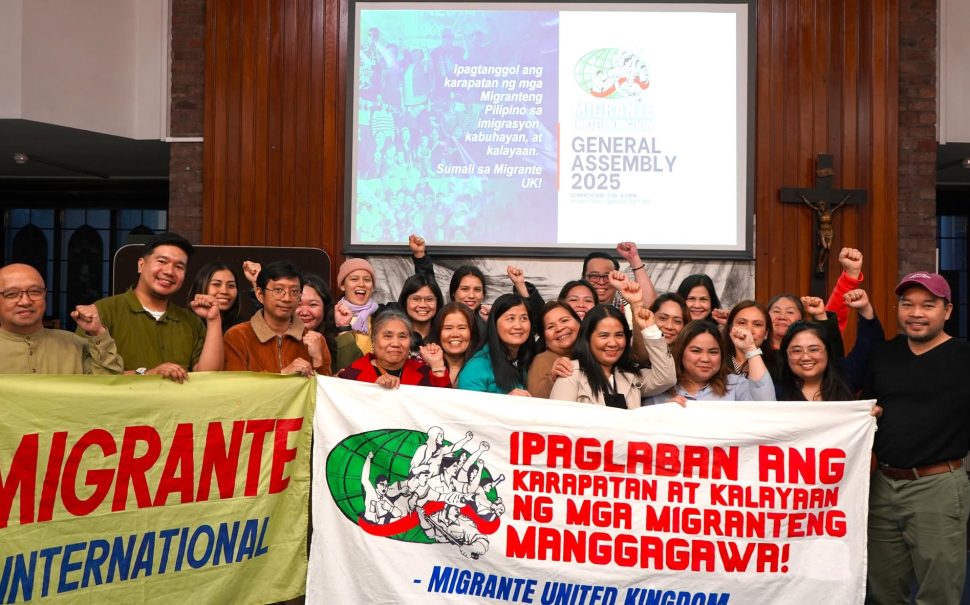
Al, a specialist nurse at an NHS trust and a member of labour rights organisation Migrante UK, points out that Britain’s immigration debate often begins at the point migrants arrive, overlooking the economic realities that pushed many to leave home in the first place.
“For Migrante UK, we see migration as forced. There are many socio-economic reasons why Filipinos are migrating overseas,” he said.
“There’s a lack of opportunities in the Philippines, there’s a lack of jobs, there’s a concentration of jobs in the cities, but not in the countryside, and even minimum wage today in the Philippines is not enough for a family of two.”
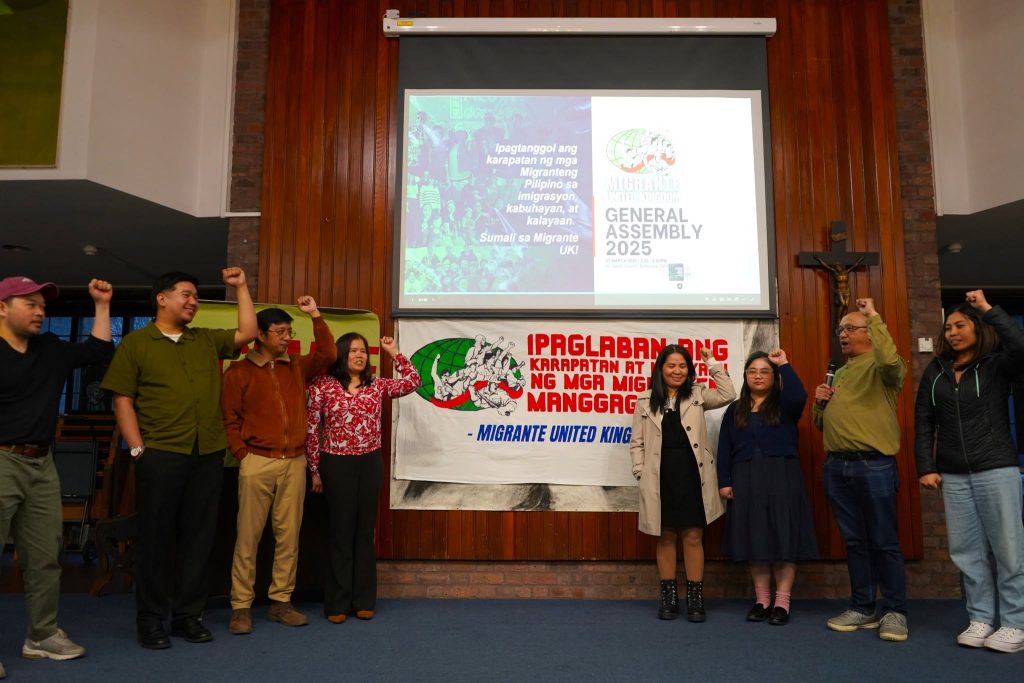
He believes the immigration proposals which require migrants to constantly demonstrate their economic value and societal contribution would fail to recognise the sacrifices these people have already made before arriving in Britain.
Current narratives concerned with immigration reduce these stories down to migration targets, workforce shortages, and economic contribution.
But Aquino and Al urge policymakers to remember that behind the numbers are real people trying to live and work in the UK.
Al said: “The UK needs to realise that we are people who have rights, have dreams. We have fears, we have responsibilities. We have transnational caring duties here, families here, on top of the families back in the Philippines who depend on us, especially when a national disaster happens back home.”
Aquino said: “Behind every workforce statistic is a human story.”
“We don’t just fill vacancies because this country has shortages. We build lives, we support communities, and we become part of the fabric of this country,” she said.
“Healthcare professionals are incredibly resilient, but resilience shouldn’t be mistaken for invincibility. We are humans too.
“We also need support, opportunities to develop our careers, and policies that recognise our long-term contribution to this country.”
As the government weighs its next steps on immigration policy and overseas recruitment, migrant healthcare workers, not only from the Filipino community, but from all backgrounds, hope that those who have spent years caring for patients, paying taxes, supporting families across continents and sustaining the NHS will be recognised, considered, and cared for in return.
A Home Office spokesperson said: “We will always welcome those that come to this country and contribute to our national life. But the privilege of living here forever should be earned, not automatic.
“Between 2021 and 2024, this country experienced levels of migration it had historically seen over four decades. We must be honest about the scale and impact of hundreds of thousands of low-skilled migrants getting settlement.
“We have consulted on the proposed Earned Settlement reforms and will outline our response in due course.”
Featured image credit: Migrante UK/Al Aure