Children’s online habits are more complicated than ever with the number of children visiting social media sites going down, recent data from the Office of National Statistics (ONS) shows.
So why are we banning them from social media specifically?
Governments across the world are being pressured by parents to limit children’s access to the internet, citing concerns about safety, privacy and well being.
And there are clear reasons to worry about children’s online habits.
The main way children are accessing the internet is unsurprisingly through phones, as almost 85% of children reported using phones to go online and this grew to almost 87% in 2023, ONS data shows.
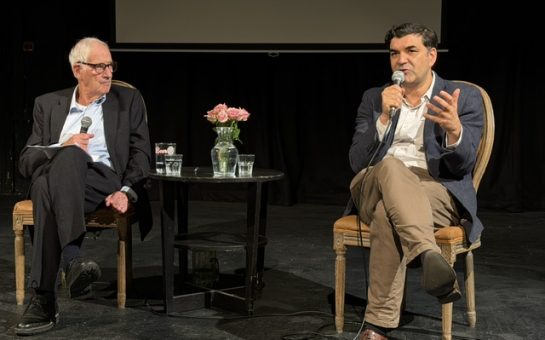
David Smith, the headmaster of Fulham Boys School in South West London, who has been labelled as having the strictest phone bans in the UK, says parents have been left in an impossible position.
He said: “Parents are at the mercy of the world impacting their children whereas when I was young, parents were at the mercy of the friends that I made. It’s made the problem a million times worse.”
He has put social media in the same addictive category as drugs and alcohol, and has said that teachers have a responsibility to educate children on the impact of social media before they get addicted to it, which means trying to limit access to phones as much as possible.
“Social media has an algorithm where as soon as you fall into the wrong thing, that algorithm will just bombard you with the wrong thing forever. That’s what these devices are designed to do.”
Parents at his school have even started using his policies to support their parenting, he claimed, and that one parent actually gave him their child’s phone for 12 weeks so the pupil could focus better on his exams.
Roughly 93% of children aged 10-15 went online daily or almost daily in the year ending March 2023.
Children spending more than seven hours a day online, on an average school day has also increased, by roughly 22% compared to 2019 and even more reported spending five-six hours a day online.
And the data revealed that in both years, roughly one in 25 children reported that at one point in their lives, they had spoken to or messaged someone online that they didn’t know thinking they were the same age and later found out they were much older.
Worryingly, the ONS data also showed that parents reported less knowledge about what their children do online.
Parents reporting knowing ‘A Lot’ about what their children do online dropped by almost 32% compared to 2019 and parents reporting knowing ‘Nothing At All’ increased by 22%.
However, ONS statistics have revealed that popular activities associated with social media have actually decreased since 2023.
Watching videos online decreased by 8% and going on social networking sites has decreased by almost 18% but playing video games has seen an increase of almost 32%.
If visiting social media sites is lessening in popularity compared to other activities then banning young people from accessing it might not only be futile, but actually harmful.
Shivani Rao, a PHD researcher at LSE who contributed to research on the exclusion of children in digital policies at the Digital Future for Children Centre, claimed that blanket social media bans will only work to marginalise children and young people.
She said: “Smartphone bans/social media bans rely on traditional institutions of family, schools, etc. to enforce these bans, but the most marginalised children come from marginalised households and schools, and not all children have access to safe and stable housing and schooling.
“These children need access to information about available social services, safe contacts or communities for their most immediate circumstances, and we risk causing serious harm to these children by banning them from social media and relying on their households/schools to enforce these bans.
“Children have a right to express their perspectives and opinions on things that affect them, which is most things, but such bans also risk contributing to increasing adult-centrism of online discourse.”
There are obvious reasons to believe that children’s internet time should be limited, but the ONS statistics reveal more complicated trends that blanket social media bans might not be able to address.