Men in England receive more Personal Independence Payment (PIP) awards, and more money on average, than women for psychiatric conditions, DWP data shows.
The biggest gender gap was found in claimants for Autism (ASD), skewing the data as males were awarded significantly more than females – approximately a 2:1 ratio.
A Department of Work and Pensions spokesperson said: “This is likely to be down to the fact that males are more likely to have medical conditions within the psychiatric disorders group that often result in enhanced awards.”
PIP is a monetary disability benefit which can be claimed by those with long-term physical or mental health conditions to help with extra daily living activities.
Psychiatric disorders are the most common reason people claim PIP, making up almost 40% of all claims as of 2024.
Of the 3.9 million cases over the last five years, a third were for psychiatric conditions.
Three quarters of a million claimants were awarded, and 135,000 awarded for Autism specifically.
Autism is the second most common psychiatric condition to claim PIP for, with only a third of awardees being female.
While gender variances can be found among many different conditions, such as in mixed anxiety and depression, the disparity between male and female PIP claimants for autism pushes the overall award in favour of men.
PIP applications coming from autistic women are also denied at a higher rate, with 35% of total clearances rejected due to failing assessment after rounding, 7% more than men since 2021.
Does this mean men are more likely to have autism than women?
Autism is a psychiatric condition affecting brain development, mainly impacting how one may socialise and the sensory experience of the world.
The neurodivergence, classed under psychiatric disorders in PIP, exists on a spectrum where traits can vary from person-to-person and no two experiences are the same.
Dan Mclean, interim Director of External Affairs of research institute Autistica, said: “Autism in women and girls has been under-recognised, which may affect diagnosis, evidence and confidence in applying.
“PIP assessments can be particularly difficult where support needs are less visible, fluctuate, or are masked.”
The condition in women and girls is often overlooked, misdiagnosed, or caught later in life.
Historically, assumptions that autism is more common in men than women have been longstanding, but are called into question by many studies.
Dr Laura Hull, a Prudence Trust Research Fellow at the University of Bristol, said: “I personally think that we still don’t know what the ‘true’ prevalence of autism is in women – or people of any gender – as our definition of what autism is has changed over time.
“Current diagnostic processes have been catching up with these changes in definition, which might explain why we’ve seen a relatively large increase in the number of girls and women being diagnosed in recent years.
“I think things have changed a lot in the past 10 years, and so there is generally much more awareness of broader expressions of autism, both within autism diagnostic services and in clinical/social services who might refer people on for a full assessment.”
Hull acknowledged there are organisations and people who may still hold more stereotyped views of the disability in both its presentation and that women can even have it.
Both Autistica and Hull caution the many factors, not only in diagnosis, but in the conceptions and statistics around autism – and what may impact access to support.
Is the PIP system reflective of need?
An article from Neurodiverse Connection details the experience of an autistic woman applying for PIP, highlighting how masking can conceal ‘obvious’ symptoms and can be frustrating when evidencing a need for support.
This raises the question of whether PIP awards and the assessment process accommodate different expressions of need.
A London council worker receiving PIP for a psychiatric condition benefits from the support given to her, but acknowledges her luck as many of her friends have gotten their claims rejected.
She said: “You do have a phone call assessment, which is just an hour, and they ask you questions in a way they want you to give a yes or no answer.
“For example, if someone had arthritis. You have flare-ups, so on certain days it’s harder to do things like tying your shoes, but on some days you can do it.
“They don’t care about that. They just care about the majority of the time, so they want you to say either yes or no.
“That’s where I think they kinda get people, because people might say, ‘Oh, on some days I might be able to do it’.
“And then they’ll be like, ‘Oh, you don’t need the money because on some days if you’re able to do it, then you don’t need the money’.”
Concerns like these highlight the need for nuanced support from those who rely on these services.
In a process which may overlook the intricacies of many different disabilities, many are subsequently excluded.
This may seem harder when it comes to autistic women and girls, when, among many considerations, women’s expression of autism may be socialised in a way different from that traditionally seen in males.
Chrysie Alexiou, a PhD researcher on the role of self-compassion on autistic youth, said: “An explanation as to why it may be more prevalent in girls than in boys, for the research that does find that to be true, could potentially be that the way in which we kind of socialise girls versus boys.
“So the behaviours that we kind of encourage or expect to see in girls are sometimes different than those we expect to see in boys.
“If we’re encouraging girls to do things that help them practice social skills, an autistic girl might have more of a chance to learn how to hide that she’s struggling socially because she’s been given more opportunity to do so.
“On the front of girls, when you’re both autistic and or have some other barrier minority identity, and a woman or a girl, you’re forced to face that challenge on top of being a girl and facing the patriarchy, so like these systems exist within the constructs of patriarchy.”
In a spectrum, austistic people face differences with unique circumstances and barriers to support – not limited to women’s autistic experience but across all genders.
Knowledge and time to understand these variables should then take priority for mental and social services.
Hull said: “I think the best way that services could improve is to increase awareness and understanding of the different ways that autism can present across all genders.
“This will hopefully contribute to developing an environment where people feel comfortable disclosing that they are autistic, and feel less pressure to mask or camouflage their autism, which in turn might make it easier to access the appropriate support they need.”
A DWP spokesperson said: “PIP entitlement is considered on a case-by-case basis as individuals can be impacted by their health conditions in different ways.
“Rather than looking at a diagnosis alone, the assessment considers the extent to which someone can manage the PIP activities, so the outcome of a PIP claim depends on individual circumstances.
“The PIP assessment is not a medical assessment, and assessors are not required to diagnose a condition or it’s severity. PIP is focused on the effects of health conditions on the individual’s daily life, and as such, PIP assessors are experts in disability analysis.
“PIP’s functional assessment focuses on the impacts of an individual’s health condition or disability in carrying out key everyday activities which are fundamental to living an independent life.
“PIP case managers give due consideration to all available evidence, including medical evidence from treating health professionals, information gathered at assessment, and the claimant’s account when making decisions on benefit entitlement.
“We know PIP can be improved, which is why we launched the Timms Review, working with disabled people and their organisations to ensure the benefit is fair and fit for the future. We also opened a Call for Evidence in March so people can share their views on how the benefit should be reformed.”
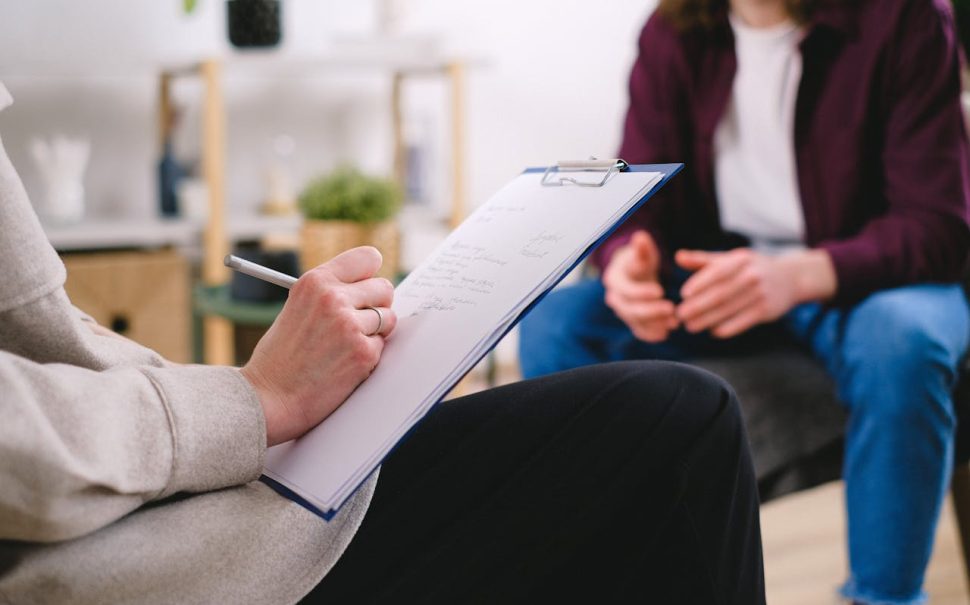
Featured image credit: SHVETS production | Pexels