Nose jobs have fallen sharply out of favour in the UK, according to new data that suggests our obsession with achieving the perfect profile through cosmetic surgery may be fading.
Rhinoplasty procedures fell by 18% in 2025 compared to the previous year – an overall decline of a third since 2019, the latest British Association of Plastic Surgeons data shows.
The fall in popularity suggests a broader shift away from highly curated beauty ideals that have recently dominated social media platforms such as Instagram and TikTok.
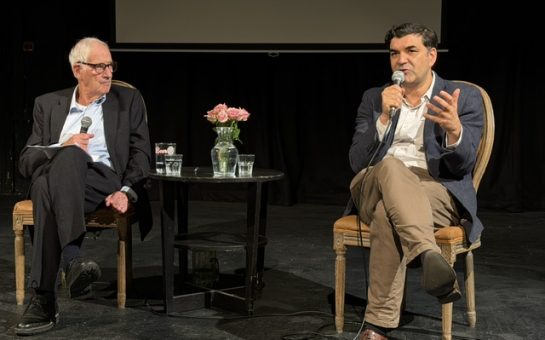
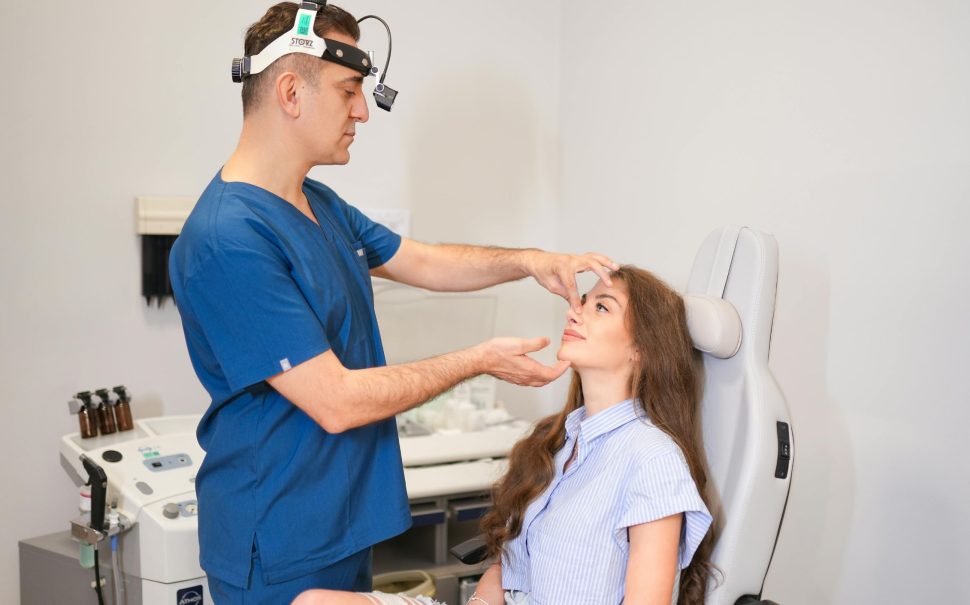
Professor Paul Chatrath, a Consultant ENT Surgeon based in London and Essex, believes rhinoplasty is the procedure that can cause the most psychological stress and anxiety for patients – which could mean patients are thinking twice before undergoing dramatic facial surgeries.
He said: “It’s the one that has the biggest impact, because you can’t hide your nose.
“People think about this particular operation more, and have more problems afterwards psychologically than for any other procedure.”
In 2019, BAAPS registered surgeons carried out 1938 surgeries on women, compared to only 1322 in 2025, a 31% decrease over six years.
Rhinoplasties for men fell by 45% over the same time period, with 504 in 2019 and 273 procedures in 2025.
One person who has suffered direct health and psychological consequences of a botched nose job is Perry Cook, a 28-year-old model and actor who lives in London, who spent £40,000 over five years trying to fix a rhinoplasty that went wrong.
The former drag queen decided to change his appearance after gaining attention online – which made him fixate on the belief his nose ‘wasn’t good enough’.
He has been documenting his struggles on his TikTok @secretdiaryofanosejob to expose the dark side of rhinoplasties.
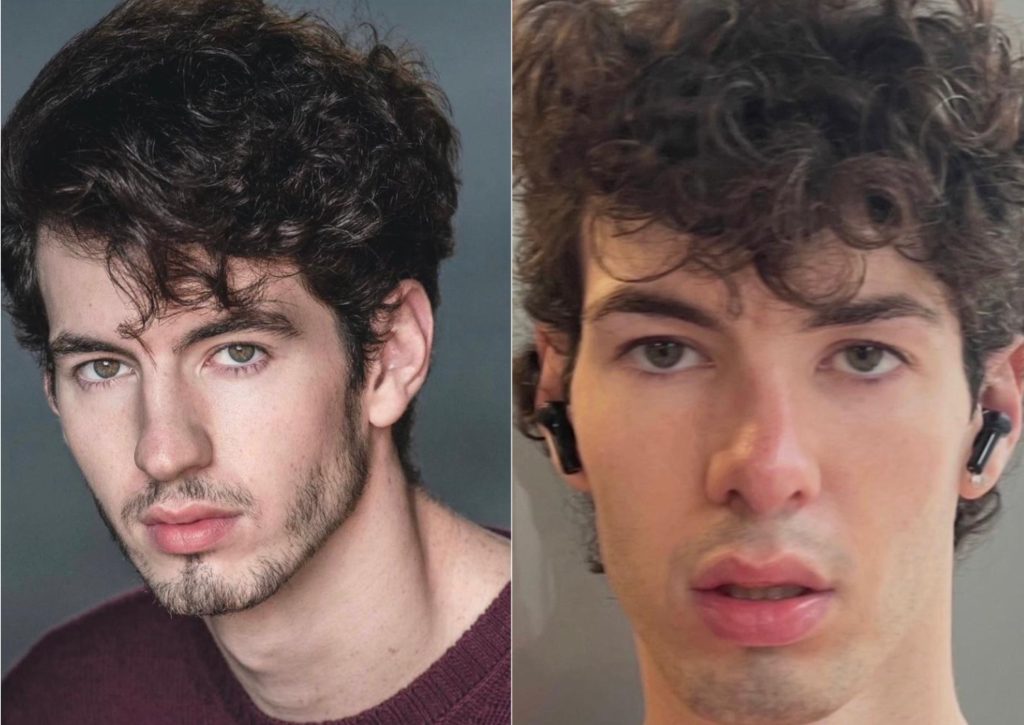
His first rhinoplasty in June 2021 left his nose bridge bent into a C-shape which he could feel shifting underneath his fingers.
He said this left him ‘deformed’ and in desperate need of a second nose job.
Perry said: “For me, it’s been the worst experience of my life by miles and miles and miles.
“The nose job I thought would fix my insecurity actually led to a greater insecurity, because now I wasn’t just someone who sometimes had a big nose, I was someone who was deformed in my eyes.”
His second ‘botched’ nose job led to severe breathing issues, sleepless nights, and constant breathlessness, leaving him with no option but to try and fix issues with a third operation last year.
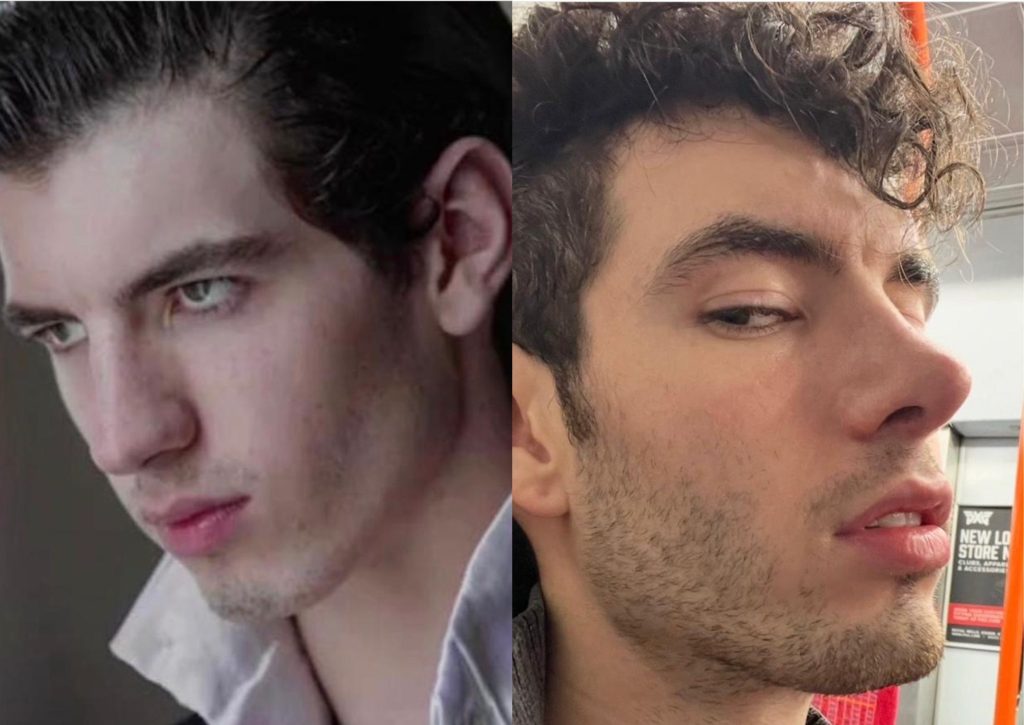
He added: “Before my nose job, I would look at people and think, ‘He needs a nose job, she needs a nose job’.
“After I changed my face and got the breathing issues, I would look at people and think, ‘He’s so lucky to have his own nose, she’s so lucky to have her own nose’.”
Each year, The British Association of Aesthetic Plastic Surgeons releases an audit of 237 surgeons across the UK, tracking the amount of aesthetic procedures undertaken by both men and women.
The overall results of the 2025 BAAPS audit shows that superficial gluteal lipofilling has fallen in popularity by 40% from 2024, providing yet more evidence that the BBL era is well and truly over.
BAAPS’ report suggests that ‘Britain’s obsession with bigger breasts and dramatic curves may finally be fading’, and that women are choosing undetectable facial procedures such as a brow lift.
This is echoed by the data, which shows that brow lifts have increased in popularity by 27% in 2025 from the previous year.
Former BAAPS President Rajiv Grover, who compiles the audit, said: “Social media has allowed people to see what modern facial surgery really looks like with subtle, natural and restorative results.
“Patients are increasingly seeking longer-term solutions which compare more favourably with the repeated expense of non-surgical treatments several times a year.
“A new era of openness from celebrities such as Kris Jenner has provided viral illustrations of the natural yet transformational results of facial surgery.”
Although facial procedures such as face and brow lifts have increased, rhinoplasties have fallen – suggesting that nose surgery may be too much of an obvious change for patients.
However, the BAAPS data does not cover revision rhinoplasty procedures, which are usually carried out by specialist ENT surgeons like Professor Chatrath.
Professor Chatrath said a large number of the patients he sees are people who need revisions after being unable to get follow up procedures with surgeons they visited abroad.
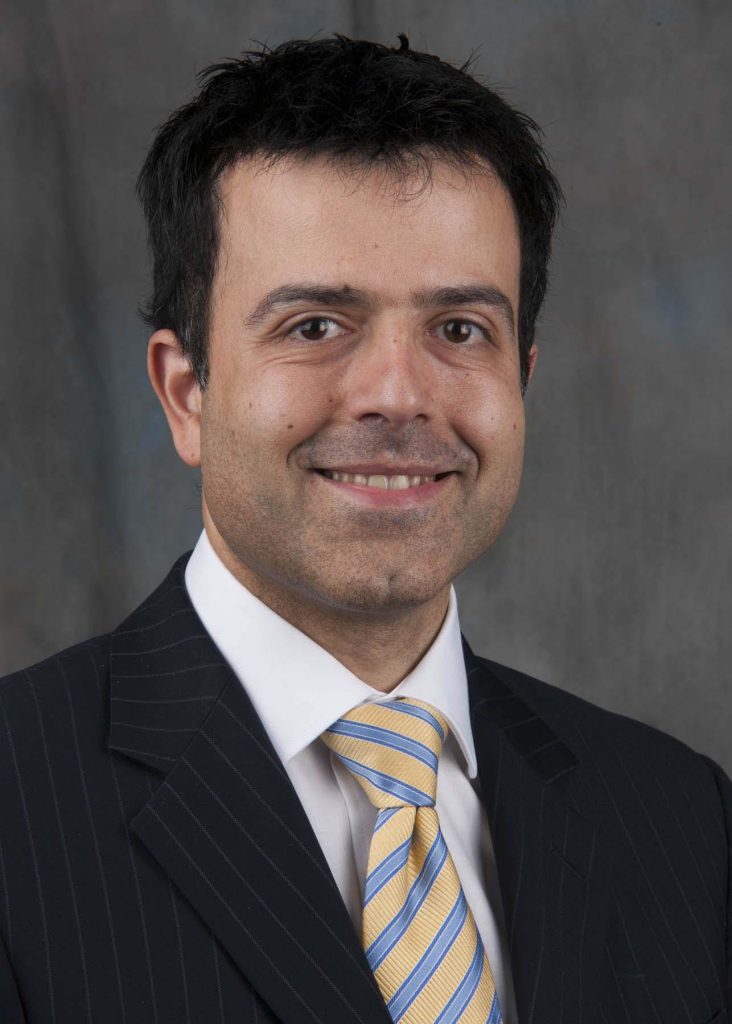
The risks of choosing a cheap and unskilled surgeon for facial procedures was echoed by Santdeep Kaun, 55, a consultant nasal and facial plastic surgeon at Barts and the Royal London Hospitals.
Kaun said: “I don’t fundamentally think it’s fewer people wanting nose surgery, I think it’s a reflection of economic factors and this big health tourism thing. People are going to cheaper surgeons or going abroad because it’s a fraction of the cost here.
“There are some outstanding surgeons in places like Turkey, some of the best in the world – but for every one of them there are very cut‑price clinics offering surgery at a ridiculously low price, and that’s where we’re seeing people come back with problems and needing revision.”
Analysis of BAAPS data shows that rhinoplasties were declining in popularity from 2019, falling by 21% to 2020, and a further 31% decrease by 2021.
However, rhinoplasty surgeries jumped by 129% from 2021 to 2022, echoing a post-COVID surgery boom.
Kaun said he believed that the post-COVID rise was driven less by a sudden surge in demand and more by people having spare time and disposable income after having travel and social life restricted.
He hypothesised that the recent fall in procedures reflects tightening economic conditions and the cost of living crisis rather than an overall decline in interest.
However, the decrease in volume in rhinoplasties could also reflect a rejection of AI-level perfection expected by social media platforms like TikTok and Instagram.
An article in the Evening Standard last month examined the regret many women from ethnic minority backgrounds feel after undergoing ‘ethnic rhinoplasty’ procedures, referencing Bella Hadid’s Vogue confession that she wished she had ‘kept the nose of her ancestors’ after having a nose job at 14.
Both Kaun and Professor Chatrath warned against the one size fits all aesthetic dominance of a tiny ski-slope nose.
Professor Chatrath said: “Everyone gets influenced by trends and films and the big one is Barbie – loads of people are coming in and saying, ‘Oh, we want that kind of Barbie type nose’ – you know the perfect looking rhinoplasty with a slight uplift.
“A Barbie nose might look beautiful on one person, but it may not look right proportion-wise on somebody else.
“But our biggest challenge is in convincing people that that nose does not necessarily suit everyone’s face.”