Silent reading clubs are springing up across the capital, providing imaginative and sensory escape from modern life. But with recent figures pointing to worrying UK literacy rates, can these clubs help extend the joy of reading to those still learning it one page at a time?
People file in quietly, a few at first before turning into a steady pileup at the door.
Shy but excited faces peer in as coffee is poured, seats are taken, and books are brandished.
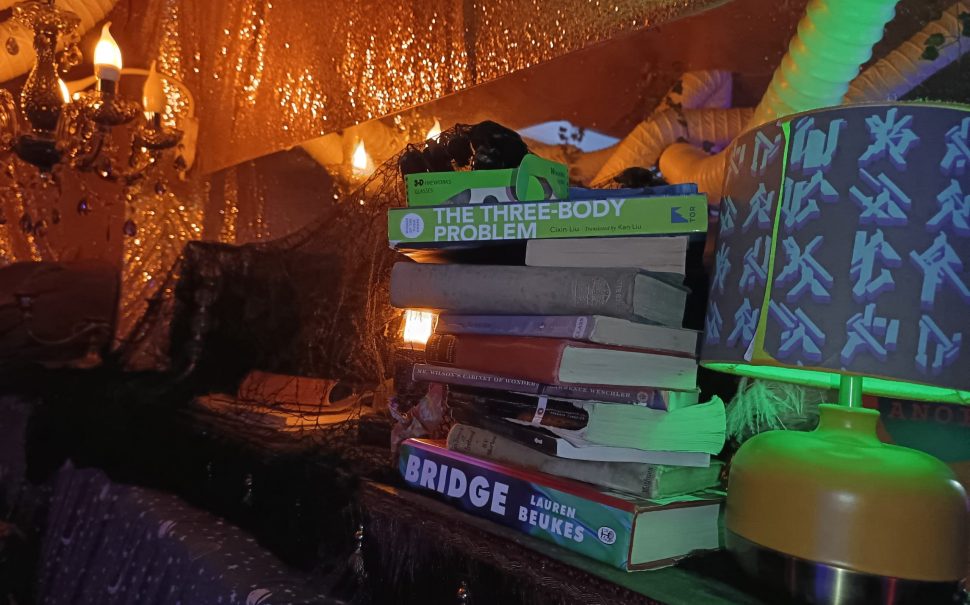
This is the London Night Café in Aldgate, a neon-soaked venue open into the small hours – and tonight, its twinkling LEDs and reflective surfaces are home to a special kind of event.

The Silent Book Club, which meets in multiple cities including Amsterdam and Paris, offers attendees a social space without the pressure to speak, finish a book or even return.
With over 2,000 ‘chapters’ (gatherings) in more than 60 countries, it’s steadily emerging as a global phenomenon.
And beyond this particular operation, general UK book club listings on Eventbrite rose by 41 per cent between 2022 and 2023 alone.
In fact, the platform’s London listings show book clubs running across multiple boroughs – ranging from Camberwell to Kensington.
Map above: Some book-related events in London, scheduled from May 18. Additional listings in Shoreditch and South Kensington reflect events held later in the month.
These specialised gatherings are providing a neutral third space for people around the capital – students and professionals, old and young – in a bid to bridge popular culture with personal calm.
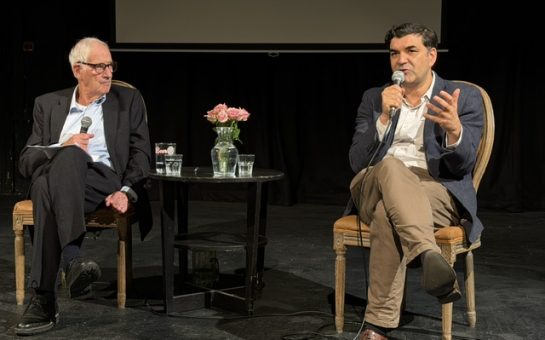
“London is so vast and dense, but it can be very isolating as well,” reflects Bhagirathi Shah, organiser of the Silent Book Club’s London chapter.
“Given there are so many people living in the capital, you can easily go through your day not having spoken to someone.
“As much as the club is silent, I would say it’s still a valuable social structure – perhaps even more so because people can treat it on their own terms.
“The optional socialising is there because we don’t want to create the pressure for people to stay.”
From its enigmatic unit on Middlesex Street, the multizone venue for tonight’s session is the embodiment of psychedelic.
To put this into perspective, the toilet features a ‘rave mode’ complete with strobe lighting effects and Darude’s Sandstorm playing in the background.
“Thank you all for coming along,” our host, Jeroen, smiles. “We’ll read for one hour and then take a break, when people can stay for a chat if they wish.”
Once he sets his watch for the scheduled reading session, the readers scatter across the café’s three floors – including a jazzy upstairs library and ball-pit basement, where I descend.
I sink into the pillow fort happily, enjoying the sound of turning pages, occasional whispering and quiet laughs from fellow readers.
“London can be a very fast paced place to live in,” continues Shah. “And people often have lots of commitments.
“This club sits at the very opposite end of that spectrum, offering a slow pace.
“It gave me a space where I could connect with people who also have a shared love of reading, where I can get recommendations and inspiration.”
Intellectual growth aside, unplugging and the art of slowdown are proving to be increasingly desirable lifestyle choices – especially for younger generations.
In charity Mental Health UK’s 2025 Burnout Report, only one third of 18-to-24-year-olds said they could switch off from work, compared to 46 per cent in the 55+ age bracket.
Elsewhere in London, events like the HUSH Silent Reading Social demonstrate how community libraries combine London’s social reading culture with improved public literacy.
With a background in publishing, organiser Sara-Jade Virtue established the event at Hanwell Community Library after signing up to volunteer and posting book recommendations on social media during the pandemic.

“HUSH takes the solo activity of just sitting and reading outside your own head and into a space with others,” she says.
“I’m someone who reads for a living; I get a buzz from giving people access to a space where they can truly connect to others, sharing their thoughts and feelings about what they’re reading.”
Virtue also runs a monthly BookSwap club at the Library where, in a typical session, the HUSH members blind pitch their books around themes like ‘Make Me Laugh’, ‘Family Matters’, ‘Kids Books That Adults Love’, and ‘War and Peace’.
“If you’re reading with other people and they say, ‘I saw you get really emotional, what is it about the story that’s really resonated with you?’, there’s something deeply cathartic about sharing that experience,” Virtue continues.
“Getting users into community libraries is also one of the only ways of keeping them open; some of the people who came to our first HUSH events weren’t even Library card holders, but they’ve all joined since.”
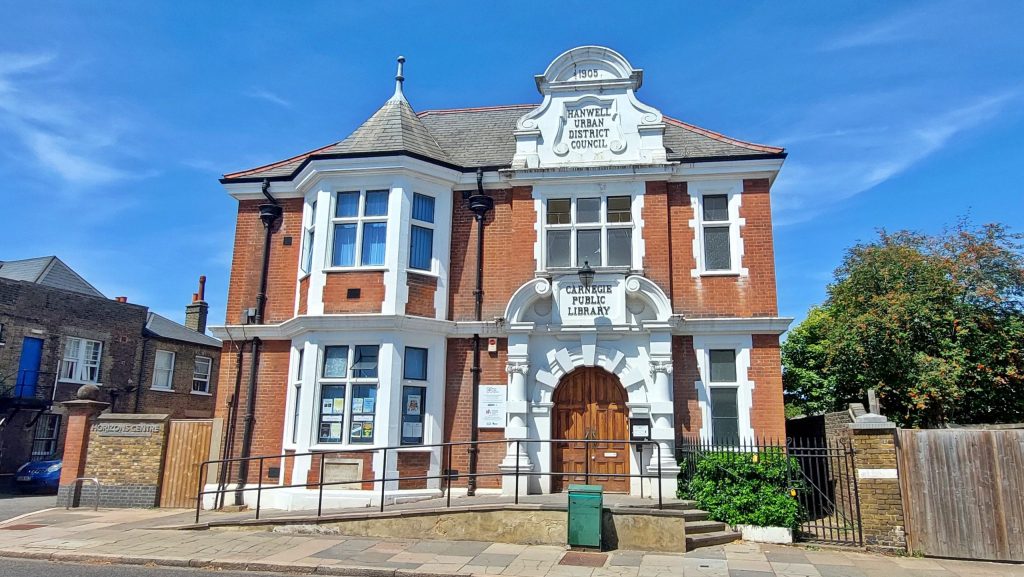
Alongside the book club, she has introduced events like ‘Book Bedazzling’ – an opportunity to personalise books with gemstones against a backdrop of snacks and conversation.
“People think libraries are fusty and dusty, but they can absolutely be the right home for events centred on community and connection,” she points out.
“Book Bedazzling is a creative, hands-on session that allows people to transform their books and celebrate their unique meaning to them.”
Reading clearly saturates culture in the UK, with public libraries in London alone supporting over one million active borrowers.
Influencers like YouTube’s ‘resident librarian’ Jack Edwards are using shortform video to reflect this zeitgeist, pairing intellectual discovery with cultural engagement.
And, interestingly, findings by the Publishers Association in 2022 reported almost two thirds of 16-to-25-year-olds found BookTok helpful for discovering the joy of reading.
But just four per cent of adults with poor reading ability describe themselves as regular readers, compared with 48 per cent of those with good reading skills.
To make matters worse, UK charity Read Easy highlights that 2.4m adults in England can barely read – or not at all.
“As adults, I think everyone should have a chance to start again with their literary journey,” says Virtue.
“There are huge swathes of people who just don’t have access to books; they might not have the money, they might not know what they’d enjoy reading, or they might feel intimidated by bookshops.
“I volunteer at the Library once a month, and we help people fill out job applications or sometimes just access the internet and email.
“If they can’t read, let alone write, how will they be able to achieve?”
It comes as the National Literacy Trust launched the ‘Go All In’ reading campaign this year, supported by initiatives like The Works’ ‘Find Your Story’ tour bus for children with limited access to books in the UK.
Additionally, the Quick Reads programme encourages people who don’t read for pleasure to read for an hour, distributing free novellas to prisons, hospitals and other institutions.