There is a small ritual that plays out most weekends in the back rooms of south west London.
Somebody books a Friday night at The Windmill in Brixton or a cramped basement off Clapham High Street, the kind of place where the ceiling sweats and the bass rattles your sternum, and before the headline act even tunes up, the question arrives of how is everyone paying for the next round?
More and more, the answer involves a phone, a quick tap, and a wallet that holds no physical notes at all.
Grassroots music spaces have always been quick to adopt whatever makes a night run smoother, and lately that instinct has nudged them towards digital currency, contactless tabs, and a whole new layer of online experience built around the gig.
That shift sits within a far broader move towards digital money among UK adults, and it is the same curiosity that has drawn attention to reviews of Crypto Casinos in UK.
These 2026 guides rank and compare the best Bitcoin sites for British players, weighing up welcome offers, the range of supported coins, the breadth of game libraries and live tables, plus the privacy options that appeal to people who already manage much of their leisure spending through a digital wallet.
For a London gig-goer who has grown comfortable paying for a pint in crypto, such comparisons answer a practical question: Which services are properly licensed, which handle withdrawals quickly, and which treat player privacy as a priority rather than an afterthought?
Why small venues lead the way
Grassroots venues have never had the luxury of standing still.
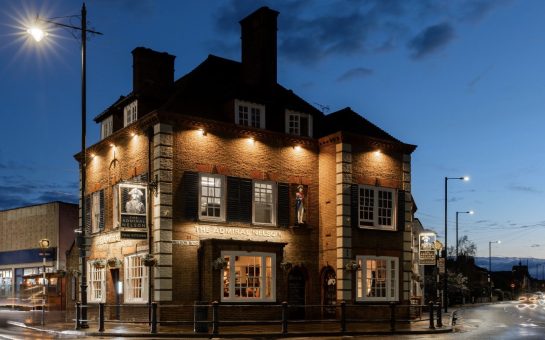
Squeezed by rising rents and the constant threat of redevelopment, dozens of venues across boroughs like Brixton, Wandsworth, Putney and Tooting survive by being nimble.
When a teenager-free crowd of 20 and 30-somethings turns up expecting to pay with a phone, the bar adapts or loses the round.
Digital payments cut queues, reduce the cash a small team has to count and bank at 2am, and let a venue track exactly which nights are pulling the punters.
Crypto, for the venues experimenting with it, adds another wrinkle: lower transaction fees on certain transfers and a way to court an audience that genuinely enjoys using it.
It is less about ideology and more about keeping the lights on while giving the customer what they want.
The audience driving the trend
The adults filling these rooms are, broadly, a digitally fluent bunch.
They stream their music, split bills through apps, and think nothing of holding a fraction of a Bitcoin alongside their current account.
South west London’s creative crowd, the producers and graphic designers and software engineers who cluster around Earlsfield and Balham, often treat new financial tools the way they treat new synths – something to tinker with.
That comfort with digital money flows naturally into how they spend their downtime more widely, from buying festival tickets to topping up a gaming account.
The line between a night out and an online experience has blurred.
Someone might catch a band at a sticky-floored venue on Saturday, then spend Sunday afternoon exploring the same digital wallet across entirely different forms of entertainment.
The venue is simply one node in a much larger web of cashless leisure.
Sponsorship and the money behind the music
The relationship between crypto firms and live music is not confined to the till.
Backing has started arriving from the top down.
When a crypto platform Luno sponsors Koko, the Camden landmark, it signals something significant.
Digital-currency businesses see grassroots and mid-sized music spaces as exactly the right place to reach a switched-on adult audience.
For the venues, this kind of partnership can mean the difference between closing and carrying on. Sponsorship money funds better sound systems, fairer fees for emerging acts, and the upgrades that keep a beloved room from going dark.
The crypto firm gets visibility among precisely the demographic it covets.
It is a tidy arrangement, and it explains why so many London stages now carry the logos of fintech names that would have looked baffling on a gig poster only a few years ago.
Building the digital experience around the gig
Payment is only the start. The more ambitious venues are reimagining the entire night as a layered digital event.
Pre-show, that might mean a livestream or an interactive set list; mid-show, augmented visuals beamed to the crowd’s phones.
Afterwards, exclusive recordings unlocked by the people who were there.
Much of this rests on faster, smarter connectivity. Work such as the 5G Festival: case study has shown how high-speed networks can knit together live performance and remote audiences, letting musicians in different rooms play together in near-real time and letting fans at home feel part of the crowd.
Apply that thinking to a Brixton basement and the possibilities multiply – a packed room, plus hundreds tuning in, all paying through the same seamless digital channel.
Where it all leads
None of this means the sweaty, chaotic magic of a small London gig is going anywhere.
The pull of a great band in a tiny room remains stubbornly analogue.
What is changing is the scaffolding around it – how the round gets paid for, how the night extends onto a screen, and how an audience already at ease with digital money carries that ease everywhere it goes.
For South West London’s venues, embracing crypto and the wider digital experience is less a gamble than a sensible read of the crowd standing right in front of them.
Feature image: Free to use from Unsplash