A clean pair of underwear should be a basic necessity. Yet for thousands of vulnerable women across the UK, access to something so ordinary is far from guaranteed.
Women’s refuge centres and support charities report a severe shortage of underwear. Unlike most clothing, pants cannot be donated second-hand.
This means that while charities may receive plenty of coats, t-shirts and trousers, they remain in urgent need of new underwear
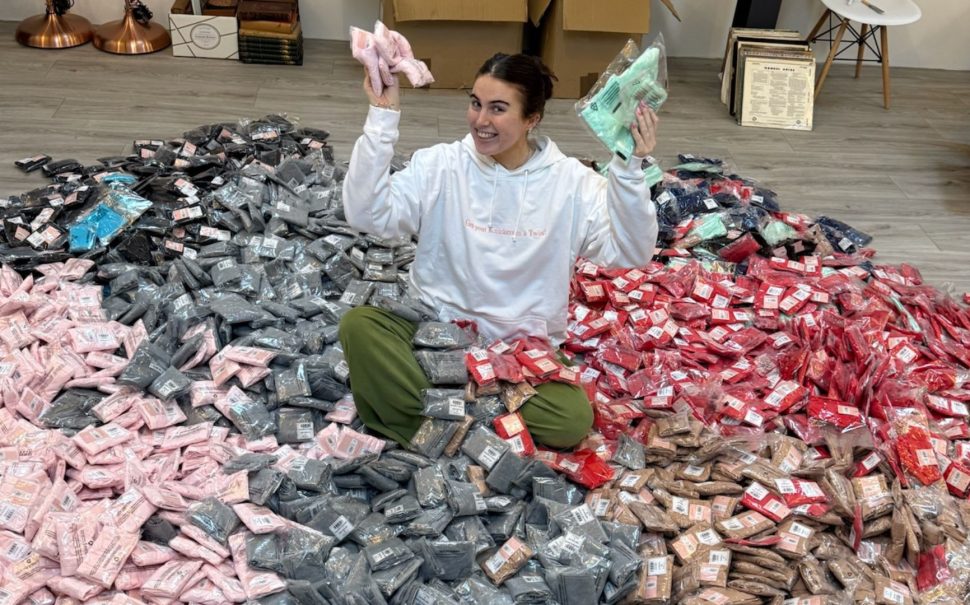
It was while volunteering at a women’s refuge alongside her studies at Durham University, that Serena Chamberlain first realised the scale of the problem.
The 24-year-old said: “Every woman who came into the centre had some story about a lack of sanitary wear – and most of that was underwear.”
Many of the women she met were survivors of sexual violence and consequently required underwear to hold sanitary pads and dressings in place.
Chamberlain said: “People automatically think of periods, but so many women are bleeding due to violence, and need pads and sometimes bandages.
“But people can’t use sanitary products effectively if they don’t have underwear.”
When Chamberlain spoke to other centre staff about the shortage, they said there was not the budget to buy underwear.
The experience inspired her to launch Let’s Get Our Knickers in a Twist, a non-profit organisation working to raise awareness of what it has coined ‘pant poverty’, while driving donations of new underwear.
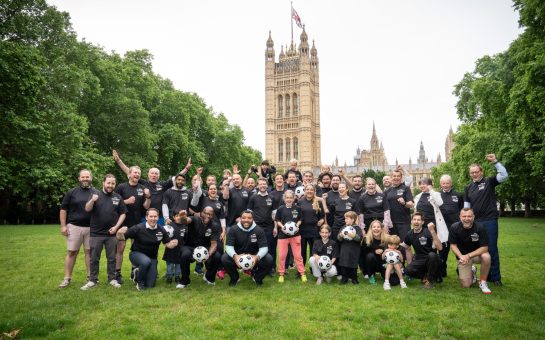
One of the main ways the group receives donations is through its female-only ‘pink pants parties’ – events that look much like house parties but with one rule: every guest must bring a brand-new pair of knickers to donate.
Chamberlain believes the women-only format helps create a safe and empowering environment.
More than 100 students attended the first party in Durham in 2022, collecting over 600 pairs of pants.
Chamberlain said: “After that first party I contacted a few refuge centres to see if they wanted the pants, and they all came back saying they were in desperate need.
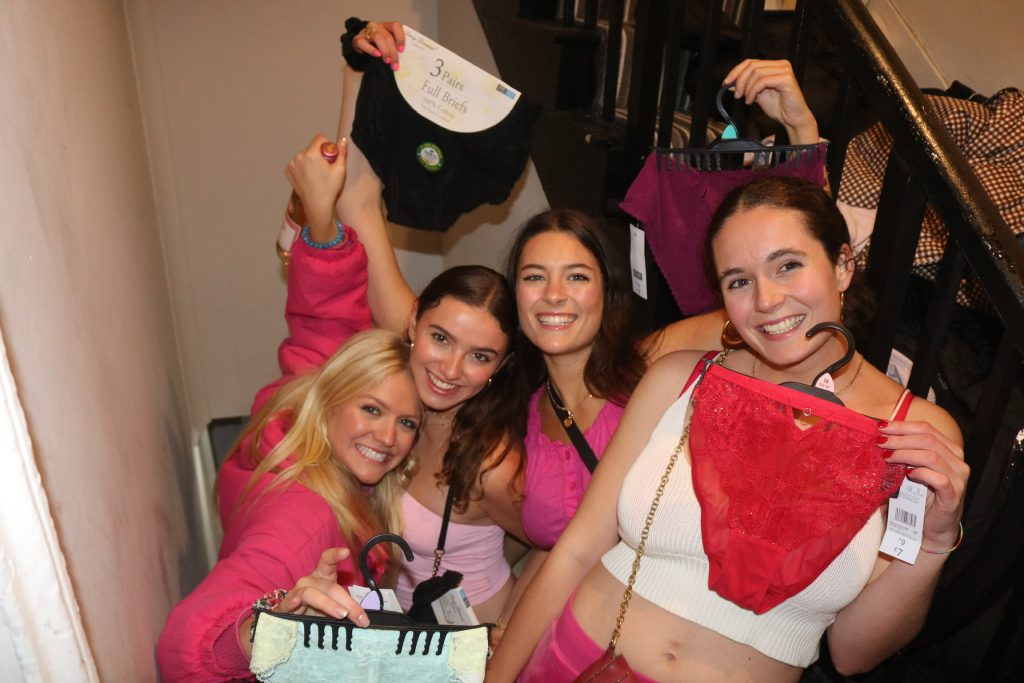
Pants parties have now become a nationwide movement, with university societies, women’s sports clubs and community organisations hosting their own events across the country.
Since launching in 2022, Let’s Get Our Knickers in a Twist has collected over 51,000 pairs of pants.
These have not only been donated to women’s refuge centres, but also to women’s prisons, which are experiencing an underwear crisis of their own.
A 2025 prisons watchdog report warned that female prisoners were not given enough underwear and criticised “bizarre” rules which prevented women from washing their knickers in communal laundries.
Prisoners were instead forced to wash their underwear by hand in a sink or bowl in their room.
The report said this “basic lack of decency” was having an alarming impact on prisoners’ mental health, with incidents of self-harm in women’s jails rising from around 1,500 per 1,000 prisoners in 2013 to over 5,600 in 2023.
Diane Gould, who was held in HMP Styal in Cheshire in 2024, said the report reflected her own experience in custody.
She said that there was a shortage of underwear and she was expected to wash her own pants in a basin.
For her, the issue was more about dignity than simply access to clothing.
Gould said: “Your human rights are taken away.
“I understand they take your liberty, but not your human rights.”
Recent accounts from women held at HMP Styal suggest conditions have not improved a year on from the report.
One prisoner said: “I’ve been asking for knickers for two months. I’ve only been given three pairs. It makes me feel dirty.
“I have to wash them in the bath with me and dry them on the radiator, it’s just not right.”
Another described being given underwear several sizes too large.
She said: “Everybody was taking the mickey out of me – even the officers were laughing. It was just humiliating.
“It just makes me feel, ‘is this what I’m worth?’ Do they really think this is all I’m worth?”
A spokesperson for the Ministry of Justice said: “We have a full supply of underwear at HMP Styal, and we always provide items to women when needed.”
They added prisoners have regular access to washing machines and laundry facilities.
However, many female prisoners are still relying on charities to access underwear.
One such charity is Women in Prison (WiP), which offers emergency grants to women in custody to spend on items such as shoes, toiletries, bras and knickers.
WiP’s head of practice Katie Fraser, who regularly takes underwear into prisons when supplies run low, believes the shortage reflects a wider issue.
Fraser said: “One of the big problems is the culture within prisons.
“If women are treated without respect, if they’re not allowed to have dignity and if they’re still seen as less deserving, then prison is truly damaging.”
WiP also supports women affected by the criminal justice system through its community hubs, offering counselling, peer mentoring and practical support.
There too, underwear is one of the most requested items.
Hannah Collins, the programme manager at WiP’s Manchester hub, WomenMATTA, explained demand consistently exceeds supply.
Collins said: “It’s like we can’t ever have enough because whatever we buy just goes in a few weeks.
“It’s a fundamental human right to have some clean knickers.
“Everybody wants to feel clean and that’s no different for the women we work with.
“But it’s a hidden issue and nobody really pays much attention.”
Organisations like WiP and Let’s Get Our Knickers in a Twist are changing that by striving to ensure underwear is guaranteed for everyone, even the most vulnerable.
Chamberlain said: “We are raising awareness about this critical need, encouraging more people to consider what pants mean to them and what it must be like to not have an overflowing knicker drawer, or in fact any at all.
“Pants should not be a luxury. They should be easily accessible for everyone.”
Featured image credit: Serena Chamberlain