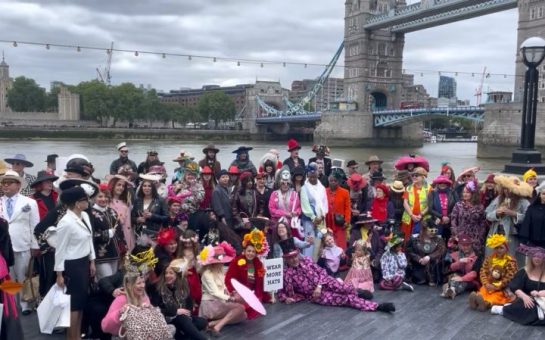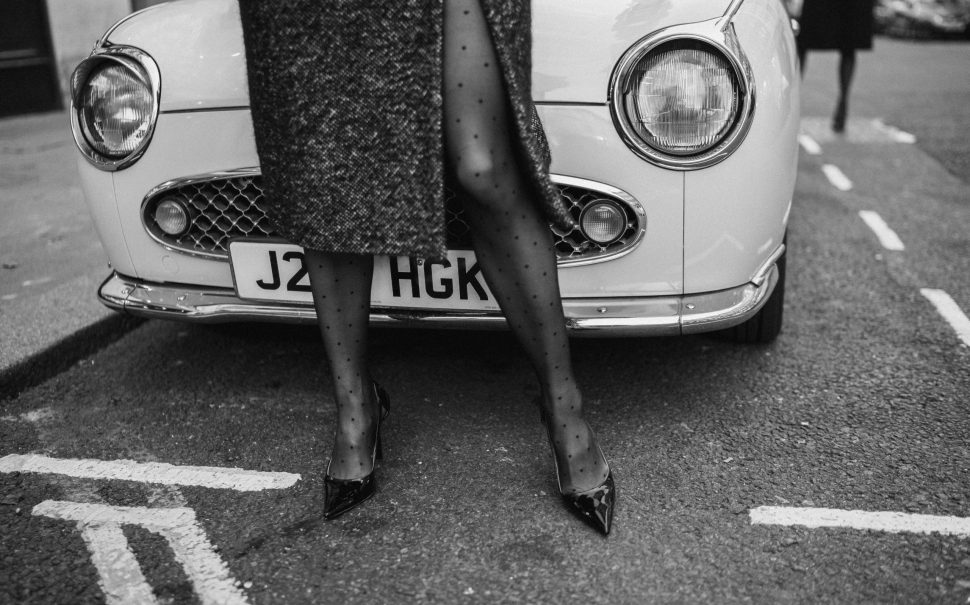
In London, fashion is more than clothing; it is a powerful form of self-expression that reflects culture, creativity, and individuality.
Throughout history, fashion has evolved from traditional garments and handcrafted designs to a global industry driven by innovation, digital influence, and changing lifestyles.
Today, fashion trends emerge faster than ever, influenced by technology, social media, and modern consumer preferences.
In the modern world, fashion is no longer limited to runway shows or luxury boutiques. It has become accessible to people everywhere, allowing individuals to explore their own sense of style while keeping up with global trends.
The evolution of fashion through time
Fashion has undergone significant transformation over the decades. In earlier periods, clothing styles were influenced by royalty, cultural traditions, and social class. Over time, industrialization made clothing production faster and more affordable, allowing fashion to reach a wider audience.
The twentieth century introduced rapid changes in style, from elegant formal wear to casual everyday fashion. Designers began experimenting with new fabrics, silhouettes, and patterns. These innovations shaped modern fashion and influenced how people express themselves through clothing.
Today, fashion trends change quickly due to global connectivity and digital media. Designers draw inspiration from multiple sources, including art, music, travel, and street culture.
The rise of street style
Street style has become one of the most influential forces in modern fashion. Unlike traditional fashion that starts on runways, street style emerges directly from everyday people and urban culture.
Street fashion emphasizes comfort, individuality, and creativity. Oversized jackets, graphic T-shirts, sneakers, and relaxed silhouettes have become essential elements of modern wardrobes. These pieces allow people to combine style with practicality.
Many luxury fashion brands now incorporate streetwear elements into their collections, demonstrating how everyday fashion can influence high-end design.
Sustainable fashion and ethical choices
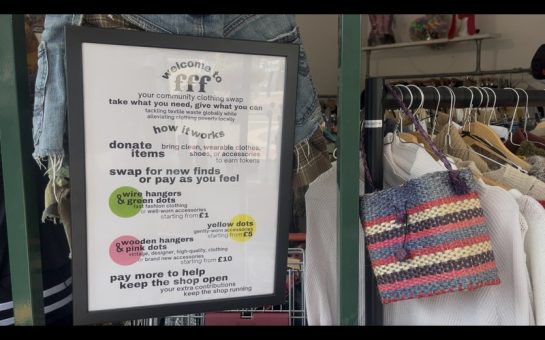
In recent years, sustainability has become a major topic within the fashion industry. Consumers are increasingly aware of the environmental impact of clothing production and are looking for more responsible alternatives.
Sustainable fashion focuses on reducing waste, using eco-friendly materials, and promoting ethical manufacturing practices. Brands are exploring organic cotton, recycled fabrics, and biodegradable materials to create environmentally conscious clothing.
Another aspect of sustainable fashion is encouraging people to buy fewer but higher-quality garments. Investing in timeless pieces that last longer helps reduce waste and supports responsible consumption.
Technology’s impact on the fashion industry
Technology has revolutionized how fashion is designed, produced, and sold. Digital design tools allow designers to experiment with styles and patterns before creating physical samples. This process reduces material waste and speeds up product development.
Online shopping has also transformed the fashion retail experience. Customers can browse thousands of clothing options from around the world with just a few clicks. Virtual fitting rooms and augmented reality tools help shoppers visualize how garments will look before purchasing them.
Fashion brands also use data analytics to understand customer preferences and predict upcoming trends. This allows companies to design collections that better meet consumer demand.
Social media and fashion influence
Social media platforms play a significant role in shaping modern fashion trends. Influencers, stylists, and fashion enthusiasts share their outfits, styling tips, and brand recommendations with millions of followers.
Platforms such as Instagram and TikTok allow trends to spread rapidly. A unique outfit or creative styling idea can quickly gain attention and inspire people across the globe.
Social media also gives emerging designers the opportunity to showcase their work without relying solely on traditional fashion events. This democratization of fashion has made the industry more diverse and inclusive.
Personal style and confidence
While trends come and go, personal style remains the foundation of fashion. Each individual has a unique way of combining clothing pieces, colors, and accessories to reflect their personality.
Some people prefer minimalist fashion with neutral tones and clean designs. Others enjoy bold patterns, bright colors, and statement pieces. Fashion allows people to experiment and discover what makes them feel confident and comfortable.
Developing a personal style often involves mixing classic wardrobe staples with modern trends. This balance creates a versatile wardrobe that works for different occasions.
The importance of accessories
Accessories play a crucial role in completing an outfit. Simple additions such as watches, sunglasses, scarves, or jewelry can transform a basic look into a stylish statement.
Fashion experts often suggest investing in quality accessories because they can be used with multiple outfits. A well-chosen handbag or pair of shoes can elevate both casual and formal clothing.
Seasonal accessories also allow people to adapt their style throughout the year. Hats, belts, and layered jewellery add personality and creativity to everyday fashion.
Fashion and lifestyle culture
Fashion is closely connected to lifestyle and entertainment. Music, film, sports, and travel all influence how people dress. Celebrities and public figures often introduce new styles that quickly become global trends.
The digital world has expanded lifestyle culture even further. Online communities share fashion inspiration, styling advice, and lifestyle content.
Many websites combine different forms of entertainment and lifestyle experiences, sometimes even referencing online platforms like crypto casino instant payout environments as part of broader digital culture discussions.
These digital spaces highlight how fashion and modern internet culture often intersect.
The future of fashion
The future of fashion will likely be shaped by continued innovation and sustainability. Designers are experimenting with digital clothing collections that exist entirely online. These virtual garments can be worn in digital environments such as social media or gaming platforms.
Artificial intelligence may also play a role in fashion design by analysing consumer preferences and predicting future trends. At the same time, sustainable practices will remain essential as brands work to reduce environmental impact.
Global collaboration will continue to influence fashion as designers blend cultural elements from different regions to create new and exciting styles.
Featured image credit: Elina Upmane on Unsplash