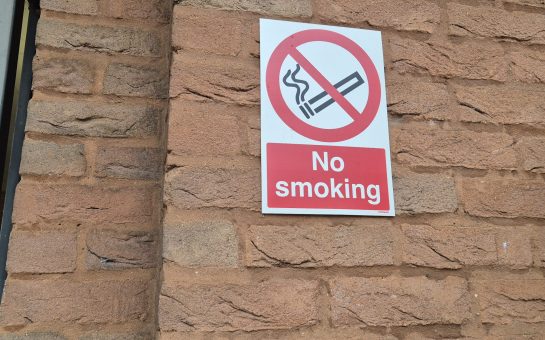
Eight vape shops within a five-minute walk in Twickenham town centre has raised concern from locals and experts alike, given their two-mile distance to several secondary schools.
This is more than similar suburban areas in London such as Putney, Richmond, and Wimbledon where clusters range from two to six and a greater distance from secondary schools.
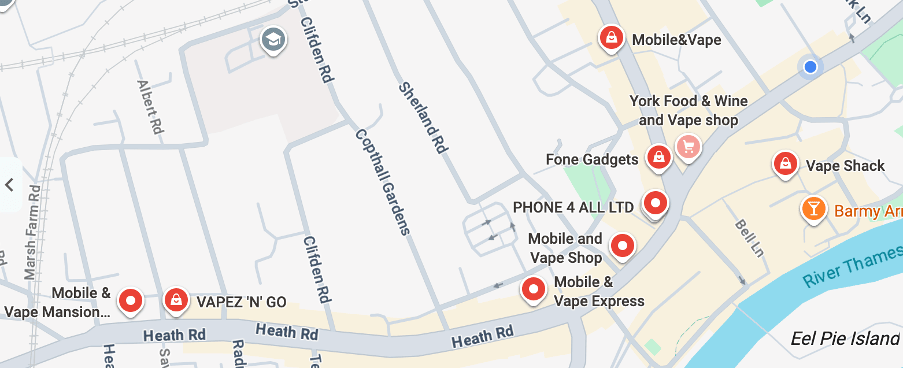
Residents of Twickenham have expressed their concern at this due to how accessible these vapes have become for teenagers.
David Lightfoot, 47, a parent to children at one of the nearby secondary schools, said: “I think that it is far too easy for people to get vapes and with all the different flavours it seems as if it is being actively marketed for younger people.”
Lightfoot added that he sees teenagers in and around vape shops almost every day which makes it harder for parents to teach children about the dangers of vaping.

A 2026 national study by Action on Smoking and Health (ASH) found that 19% of 11–17-year-olds have tried vaping.
Caroline Cerny, deputy chief executive for ASH, has similarly argued that the primary cause for this problem is marketing.
She said: “They have really enticing flavour names based around desserts or sweets that the children enjoy, some even have cartoon characters on them.
“It’s no wonder children and young people are enticed by these products.”
She added that it isn’t just the visual aspect that attracts young people but also the price.
She added: “They have been available at pocket money prices.”
Vaping among this age group did decrease by one percent between 2025 and 2026 however Cerny said: “I would describe vaping rates as stabilising rather than decreasing.”
This figure is still 15% higher than levels in 2013.
One reason for the high concentration of vape shops is the ambiguous status of what a vape shop actually is.
Cerny said: “We don’t have a definition of vape shops that’s used consistently.”
In August, the government announced intentions to give vape shops their own planning designation.
Previously, commercial retailers, as Class E businesses, were able to transition into vape shops without a planning application.
Lightfoot said: “Gambling, alcohol and tobacco have strict compliance legislation, but vaping seems to be free of any restrictions whatsoever.

“Tobacco companies have been taxed a great deal and smoking has major restrictions, so these companies are now jumping at the opportunity to make money using this new way of smoking.
“There are far too many of these places and it is far too easy for them to operate.”
A spokesperson for Richmond Council has attested that the borough’s high streets remain strong and varied.
They consider the borough’s 19 total vape shops and combined mobile/vape shops to be relatively small but are aware of the increase and will continue to monitor it.
The government also announced plans to give council more powers to block new vape shops in close proximity to schools and stipulate that they require licensing permits to sell nicotine products.
These measures also aim to ensure vape packaging and devices are plain with monotone colours and simpler flavour names, while also instructing business owners not to display vapes in shop windows.
Cerny said: “This will put off people that don’t want to go through the checks and balances and prove they’re responsible about how they’re selling them.”
This follows the vape tax set to come into effect on 1 October which will tax retailers at £2.20 per 10ml.
However, a survey conducted by Vape UK found that 32% of vapers would look at unregulated or overseas sellers if flavour naming became more restricted.
The government is currently seeking views from the public in a consultation on the proposals regarding appearance and advertising of vape and tobacco products until 11.59pm 2 October.
Featured Image Credit: Nikita Korchagin via Unsplash