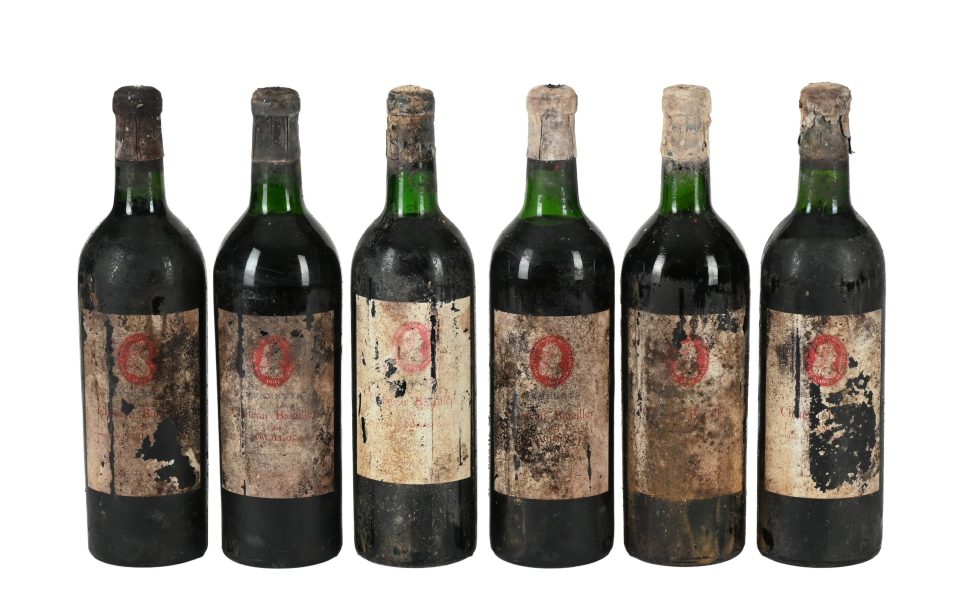
A long-forgotten collection of Bordeaux wines, which were discovered in a concealed cellar, were sold on Tuesday by Pall Mall’s Dreweatts for £67,464.
The pre and post-war bottles were found in near-perfect condition, having been untouched for up to 60 years.
Now that the “time capsule” collection has been moved from its original store on the south coast of Hampshire, the auctioneer hopes they’ll soon be enjoyed.
Violette Jongbloed, a wine specialist who oversaw the sale for Dreweatts, said: “These wines are at an age where they need to be drunk. It’s lucky they’ve been stored so well over all these years.
“I do hope that they get drunk now, and that they are enjoyed for what they were made for.”
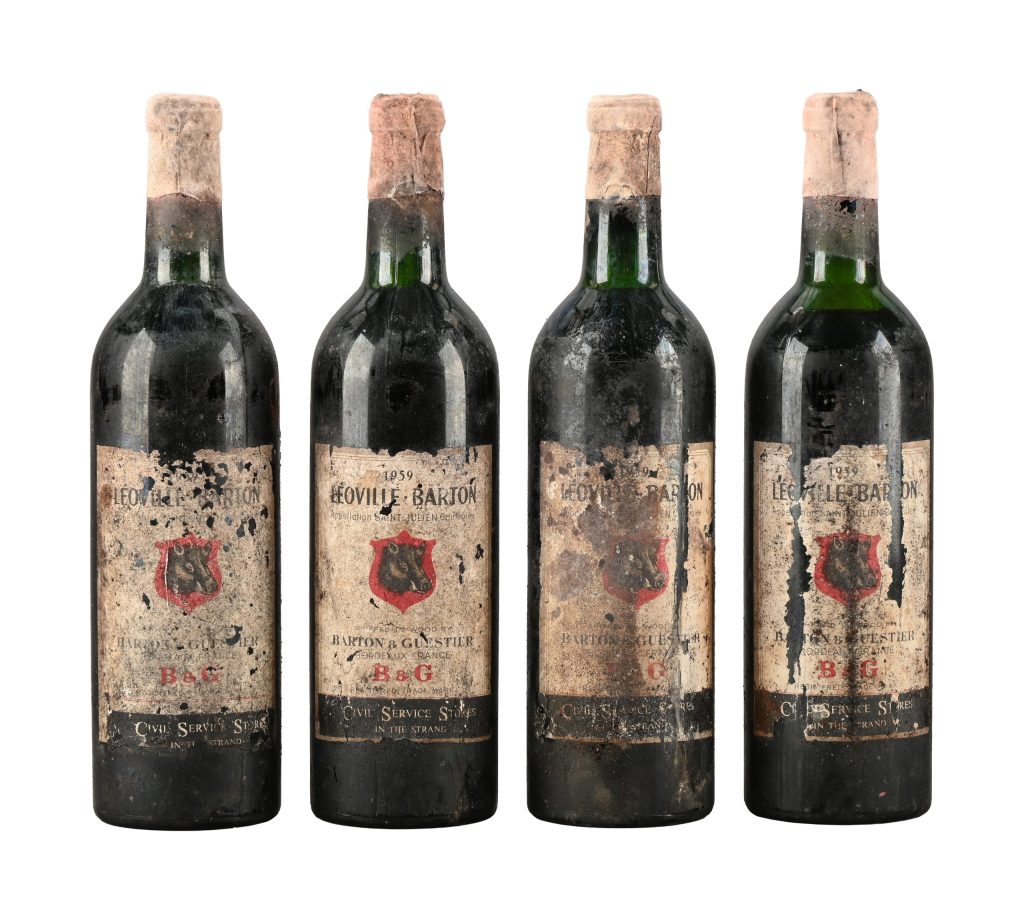
The sleeping collection was sold to over 10 different buyers, all for above expected prices.
The 1929 Chateau Haut-Brion had a high estimate of £800 but sold for £3,200, thanks to its “remarkable” age and “special preservation”.
One of the buyers said: “There aren’t many chances to buy very old Claret with wonderful old school storage conditions. We are planning to have a very good lunch.”
The bottles, dated between 1929 and 1964, are believed to have been bought by the previous homeowner, who was in a unique position to purchase from the Civil Service Stores- a trusted supplier of fine wines, spirits, and high-quality provisions to Britain’s expanding government professionals.
Jongbloed, who has worked in the wine industry for six years, said: “The original buyer laid them in a deep cellar, but somewhere along the way, the cellar was forgotten. They were underground for up to 60 years in a damp, dark, and deep cellar. They didn’t have any movement for all that time.”
Some of the wine was premier cru meaning they come from Bordeaux’s most prestigious estates.
“He definitely showed good buying behaviour in choosing legendary vintages. These bottles don’t fall in your lap very often, and when they do not in this quantity or quality,” Jongbloed said.
It took nearly six years for the current homeowner to discover the concealed cellar in an outhouse, as restoration had been delayed by Covid.
He emailed the auction house Dreweatts in Nov 2025, saying: “We discovered a wine cellar. We thought it best to leave the bottles alone for now, although I have attached a couple of example photos, is this something you would be interested in selling on our behalf?”
Jongbloed said she was “like a child at Christmas” when she visited the collection in January, alongside her colleague Mark Robertson.
The wine was at into neck levels, an immediate indication they had been kept in nearly ideal conditions.
“If a bottle of wine has aged some, the cork can shrink or dry out,” Jongbloed explained.
“Then there can be some seepage, in which some air is getting into the bottle. Oxidation will have an effect on the condition of the wine.
“The fact that the level was still so high and there was no seepage, were all great signs for us.”
The coastal location, where weather is better mediated, aided preservation of the wines. Sea-air dampness ensured the corks held shape, although many of the labels had deteriorated.
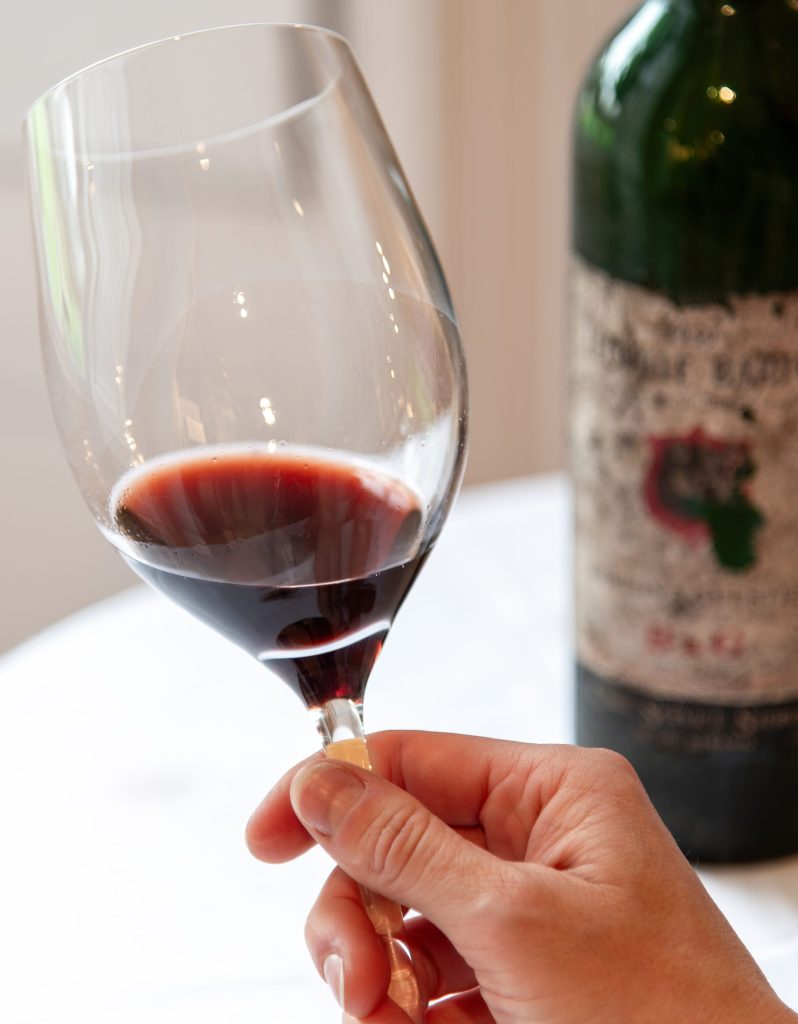
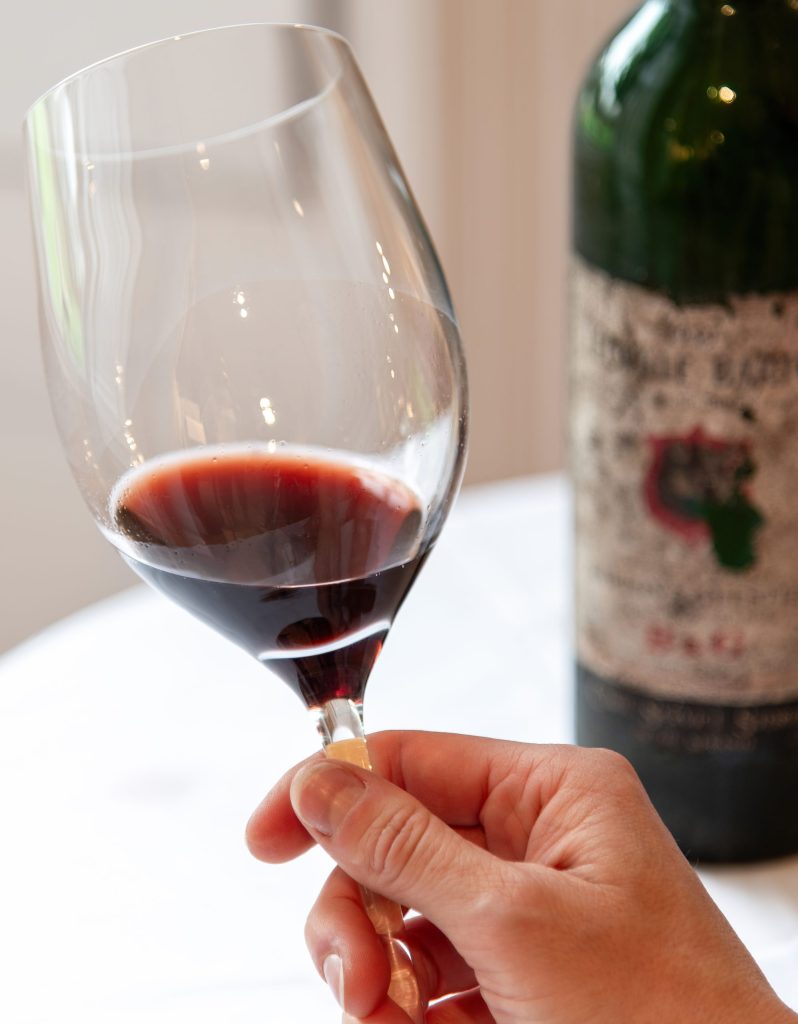
Robertson and Jongbloed opened three bottles as part of the valuation process. The latter said: “They showed beautiful colour clarity. They were so vibrant, which was truly amazing.
“But you’re really going to see a difference from Chateau to Chateau. One really needed a few hours to open up. And after that, a bouquet of such remarkable flavours came forth.
“What’s amazing is buyers can experience a time capsule of how the wines were enjoyed back then, because they were preserved so well. That’s what people who will open these bottles will experience firsthand.”
Featured image credit: Dreweatts