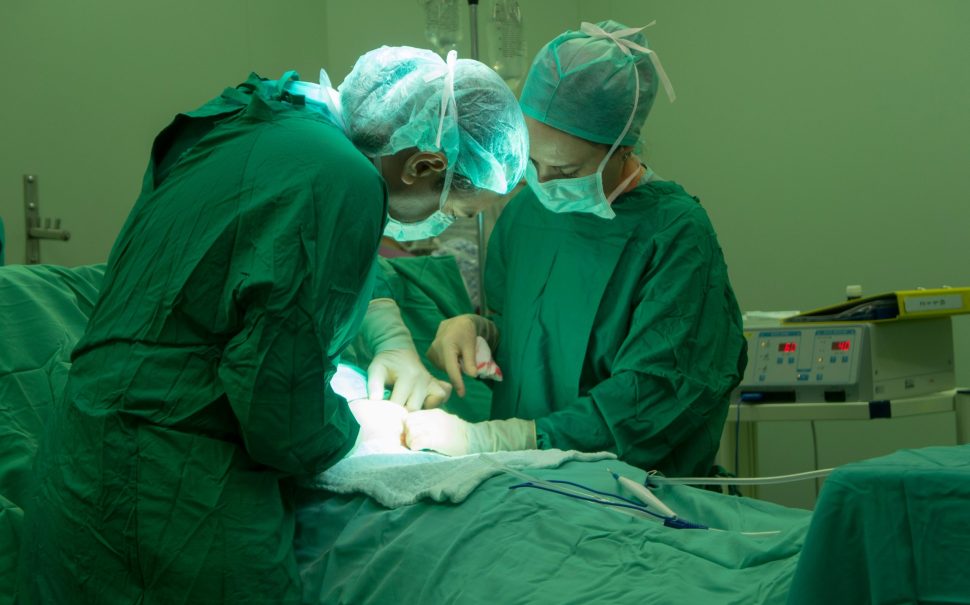
Caesareans have overtaken spontaneous vaginal births for the first time, as surgery becomes the most common method of childbirth in England.
Forty-five per cent of births are now delivered by caesarean section (C-section), compared with 44 per cent that are spontaneous vaginal births, while a further 11 per cent require assisted delivery using interventions such as forceps or ventouse.
Freedom of Information data obtained by the SW Londoner from London’s NHS trusts reveals caesarean sections have increased across every trust examined over the past decade, with St Thomas’ Hospital recording almost 50 per cent more procedures in 2025 than in 2016.
Safa Hassan, a midwife who worked at Guy’s and St Thomas’ NHS Foundation Trust in 2025, said: “I think definitely evidence-based research, but also one really big factor that people don’t normally take into consideration is the rise of maternal request caesarean sections.”
The FOI data shows caesarean deliveries at St Thomas’ Hospital increased from 2,040 in 2016 to 3,057 in 2025, while Barking, Havering and Redbridge University Hospitals NHS Trust recorded the highest total in the dataset with 3,095 C-sections in 2025.
Royal London Hospital recorded the largest percentage increase, with caesarean deliveries rising by 58 per cent between 2018 and 2025, highlighting how the trend extends across London’s busiest maternity units.
Hassan said advances in obstetric care have transformed how clinicians assess risk during labour, allowing maternity teams to identify complications much earlier than in previous decades.
Hassan said: “I think we intervene earlier, and in most cases for good reason.”
She said improved understanding of complications such as foetal distress, infection and meconium aspiration means doctors are more likely to recommend surgery before the health of the mother or baby is put at risk.
However, Hassan said emergency C-sections account for only part of the increase.
She said more women are choosing planned caesarean births, while repeat C-sections are also becoming increasingly common because women who have previously undergone the operation often choose another planned surgical birth.
During her time at St Thomas’, Hassan said elective caesarean lists ran every day of the week, with at least five planned procedures scheduled daily before emergency operations were taken into account.
The figures also reflect changing attitudes towards childbirth, with many women arriving at appointments having already researched pregnancy and labour online.
Hassan said: “In the era of TikTok, Google and ChatGPT, midwives and doctors aren’t always women’s first point of contact.”
She said online information can help women better understand pregnancy, but it can also expose them to traumatic birth stories that increase anxiety before labour begins.
Despite the growing number of surgical births, Hassan said C-sections should not be viewed as an easier alternative to vaginal delivery.
Hassan said: “It is not the easy way out.”
She said recovery following a caesarean can take around six weeks because mothers are recovering from major abdominal surgery while also caring for a newborn, whereas many women who have an uncomplicated vaginal birth can return home within hours.
Hassan also said mounting pressure on NHS maternity services is affecting the level of care midwives are able to provide.
Hassan said: “When you’re short-staffed, you’re focused on giving effective, safe care. You can’t always sit with women, build that rapport and give them the experience you want to give.”
She said the statistics should not be interpreted as evidence that women are increasingly being pushed into surgery.
Hassan said: “I think people misunderstand why a lot of C-sections happen. Planned C-sections account for such a big number.”
The findings suggest the rise in caesarean births is being driven by a combination of improved medical evidence, increasing maternal choice, repeat caesarean deliveries and growing pressure on maternity services, rather than a single change in clinical practice.
Featured image credit: Engin Akyurt