As the NHS faces criticism for a lack of continued support across its levels of maternity care, the prevalence of doulas has increased which may be due to their capability of tending to personal needs.
In June 2026, Baroness Valerie Amos completed her investigation into the UK’s maternity system and reported that it is not consistently able to deliver safe, high-quality or compassionate care, while also highlighting high levels of racism and discrimination within maternity services.
This lack of care for mothers and soon-to-be parents in the NHS has been an ongoing issue, with 27% of 16,755 respondents in 2025 saying their postnatal treatment was not adequately kind or understanding.
As these negative experiences rise, so too does concern, and mothers and parents across the UK are seeking maternity support elsewhere – hence the growing demand for birth doulas.
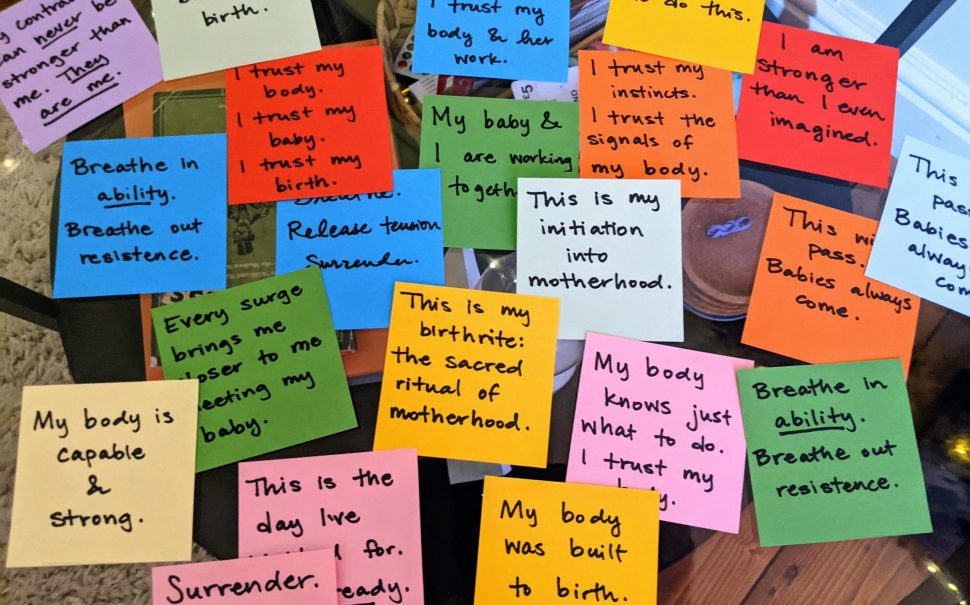
A doula is a professional who is not medically trained but offers non-judgemental, continuous emotional and practical support during pregnancy, birth and the postnatal period.
Lisa Harris, from the Perinatal Academy, became a doula four years ago after experiencing a difficult birth herself and wanting to help others avoid the same experience.
The Wimbledon-based mum of three said: “Thirty years ago, women were having more vaginal births, so a doula would have been hired for support – not out of concern that the system might let you down.
“I think there are more doulas now because demand has grown, as people hear about others having good experiences with us.”
The importance of a doula lies in their ability to help provide a positive birthing experience, something the NHS is failing to consistently meet, with 18% reporting that their concerns were not taken seriously.
Against this backdrop, 2,420 births involved a doula over the past year, up from 1,460 in 2020 and 1,835 in 2021, according to figures from Doula UK.
Harris said: “Having a doula is a very ancient concept. If you look at how women gave birth traditionally, they lived in communities with other women around them who they knew, and who had also given birth.
“It was a community event, and over the years it has morphed into a medical event – and yet birth has not changed.”
While doula support can be impactful for individuals by offering personalised pre and postnatal care – an area where the NHS has a 47% dissatisfaction rate – the service is usually private and can cost from several hundred to a few thousand pounds.
With reports showing the NHS to also have unacceptable levels of racism and discrimination, expensive private doula services also risk excluding those who need them most but cannot afford them.
With 23% of respondents reporting that they could not always get help during labour and birth, and 35% reporting that their medical history was not always known during postnatal care, a doula can help bridge the gap by providing sustained support and personal attention.
According to WorldMetrics, 85% of those who used doula services reported that their birth plans were adhered to, and 81% felt more informed about their options.
This suggests higher levels of care and compassion for the needs of those giving birth than some people currently experience within the NHS system.
Harris said: “Our maternity system is unnecessarily complicated.
“There are lots of decisions before and during birth where people are told this is a risk or a problem.
“I have supported lots of families, and it is far from the minority where nothing is flagged.”
With NHS maternity care under mounting scrutiny, doulas are increasingly part of the conversation about how birth experiences in the UK might be improved.
However, whether they can meaningfully close the gap left by a stretched NHS – while remaining accessible to those most vulnerable – remains to be seen.
NHS England were contacted for comment.
Feature image: Lisa Harris