British Transport Police’s decision to reverse its policy of not investigating stolen bikes worth under £200 or left for more than two hours has prompted concerns from cyclists about how bike-theft is prioritised.
Cycling groups and independent bike shops say the short-lived policy exposed long-standing concerns that thefts are treated as low-level offences despite their impact on commuters.
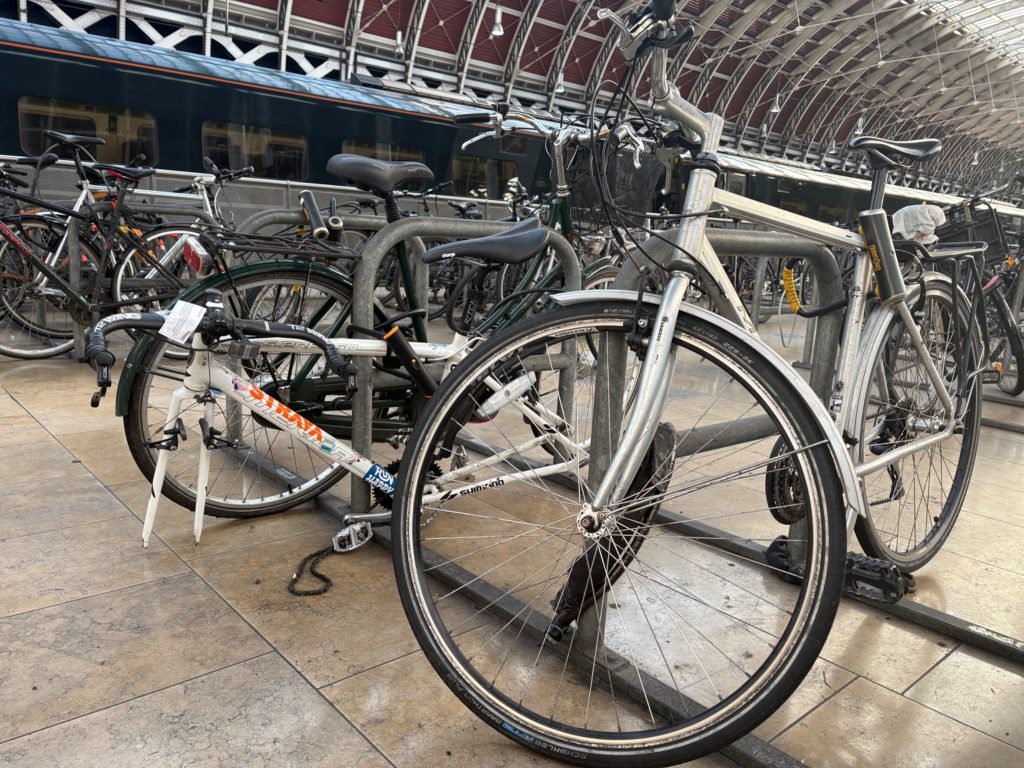
It comes as Cycling UK and MPs warned the original approach risked ‘decriminalising’ bike theft, deterring people from cycling to stations and undermining government efforts to promote integrated bike-and-rail travel.
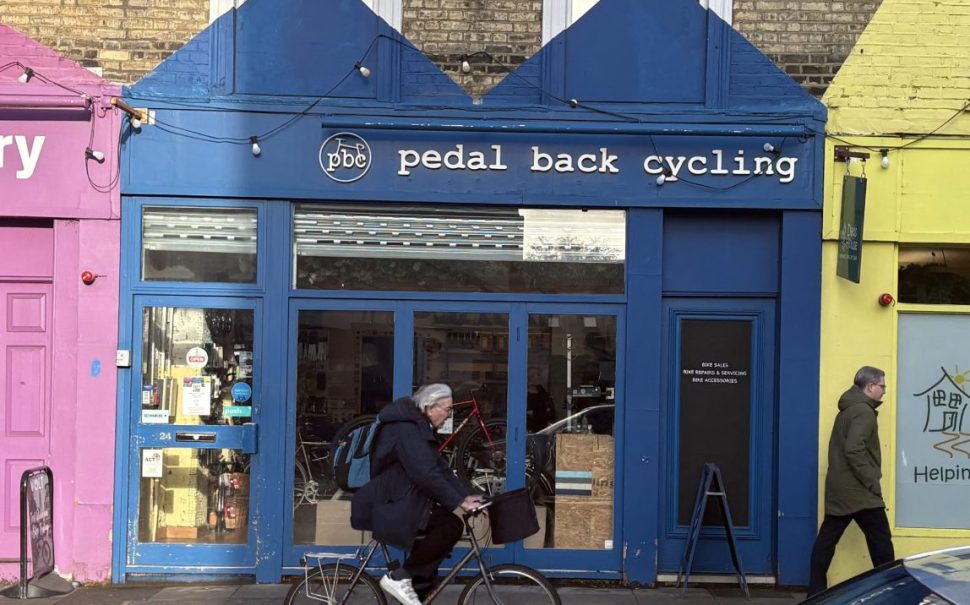
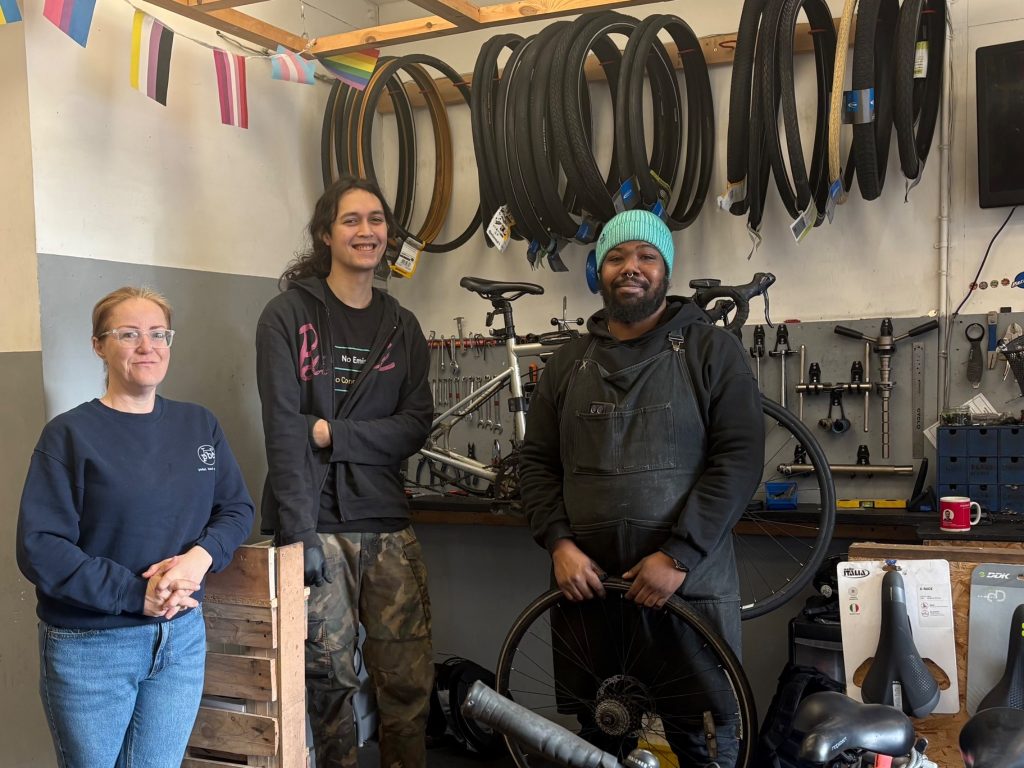
Pedal Back Cycling founder Nicky said: “The only people that benefit out of that is the bike thieves – all they’d have to do is watch someone drop their bike off, wait two hours, and they could steal it.”
BTP updated its Crime Screening Policy on 5 January after what it described as constructive engagement with Cycling UK, which had argued the previous rules contradicted national active-travel strategies and disproportionately affected people who rely on bikes for affordable transport.
The force said officers would now investigate more reports and explore all lines of enquiry if a bike is identifiable on CCTV or if there is a witness to the crime.
BTP also pledged to bring more bike thieves to justice in 2026 than ever before.
Cycling UK welcomed the reversal, saying it ‘sends a clear message to criminals’ and reassures commuters who depend on secure cycle parking at stations.
But for independent bicycle shop founder Nicky, the episode highlighted a wider pattern in how cycle crime is handled in London and the lack of police involvement in thefts.
“The benchmark for the police getting involved is almost so high that no one’s going to fall into the bracket that they will genuinely investigate,” Nicky said.
“It doesn’t matter what the value of the bike is – if you report it as stolen, they’ll give you a crime number and say you can give that to your insurance company and that’s it.
“If my bike’s been nicked and if I buy another bike and it gets nicked nothing will happen so I just won’t bother.”
According to Metropolitan Police figures, bike thefts in London have dropped from 23,856 incidents in 2020 to 14,147 in 2025.
Yet, only 197 cases resulted in a “positive outcome” in 2025 – meaning more than 98% of reported thefts led to no charge, caution or resolution.
“A lot of the time when people have got a cheaper bike, they don’t even bother to report it,” Nicky said. “It’s massively underestimated, but it’s also undervalued as a crime.”
“It might be that the face value is less than £200, but to the person that owns that bike, that’s worth £2000,” she said. “That’s their transport day in, day out.”
In addition, the bicycle shop owner also described frequent difficulties for customers trying to get cases investigated – even if the bicycle had been locked up below CCTV cameras or a tracker had identified its location.
“The onus is always on the owner,” she said. “Did you lock it? Where did you lock it? How did you lock it?”
Among those who have changed their habits to avoid bike theft is Brompton user Robert, who says he refuses to leave his bike unattended or locked up at a station.
“There’s no way in the world you’re doing that with this bike,” he said. “This bike is never more than half a metre away from me.”
He believes even heavy-duty locks offer little protection against bike thieves, stating: “When it comes to locking up – they’re organised, they’ve got the tools and they’ll just take it.”
Robert said the situation forces riders to deliberately purchase bikes that are inexpensive to replace.
“What a strange world we live in when you think that your mode of transport is disposable,” he said.
Commuter Kevin, who uses a fold up bike to avoid theft, added that he was surprised by the original BTP policy and had hoped cycle theft would not be dismissed.
He said: “Living in London you have to accept that resources are finite but as a cyclist I obviously think that cycles are very personal to the individual and I would hope that they could find the time and the resources to do it.”
Featured image credit: Carmel Hobbs