Confusion and outrage have gripped the social media groups of west London as reports of deliberate dog poisonings leave owners searching for answers.
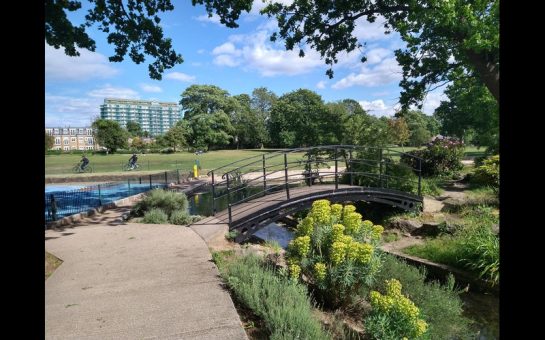
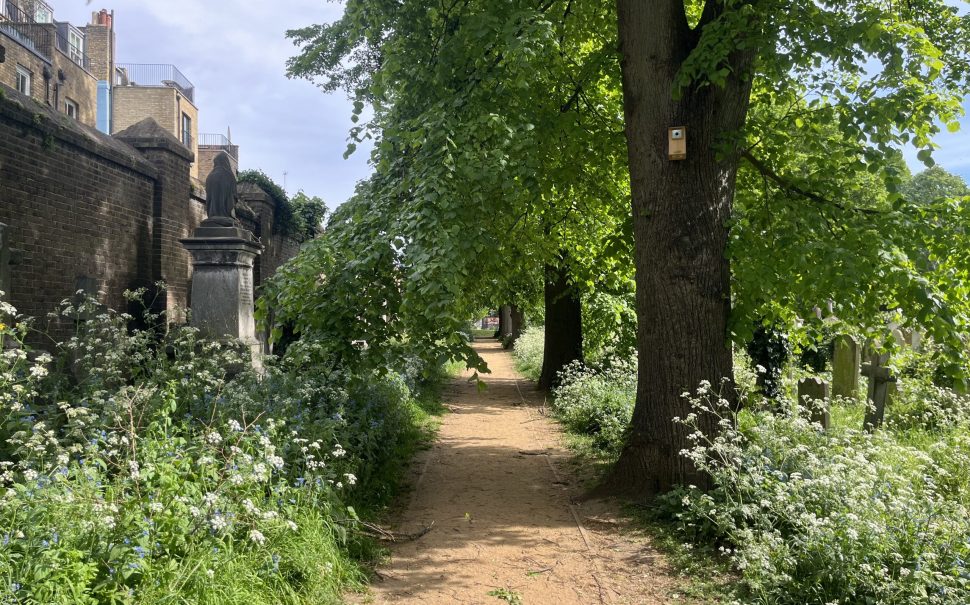
Over the Easter weekend, a mysterious Metropolitan Police notice began circulating among dog walkers. Chicken had been left in Holland Park and Brompton Cemetery, causing the death of two foxes and making a dog severely ill.
It added: “We believe that this meat may contain toxins and has been left on purpose to either harm foxes or dogs.”
Within a few hours, the report was plastered over Facebook, local WhatsApp groups and the app Nextdoor. Dog owners were – understandably – left in fear at the idea of a dog-poisoner on the loose around Kensington and Chelsea’s parks.
With the sinister cases stacking up, residents are increasingly worried about the safety of their parks.
Earl’s Court resident Stephanie Thomas was among many walkers who lost confidence that the green spaces near her house were safe.
She said: “There’s no enjoyment trying to walk the dog anymore.
“I would never let my dog off the lead, but it’s hard when they’re foraging.
“I don’t feel safe, I feel scared.”
She was not the only concerned walker in the area.
Alexandra Lemos had avoided walking in Brompton Cemetery with her pitbull terrier, Gus, after being shown the Met’s warning by a friend.
She said: “I’ve got him on a short lead, but I don’t want him to go off into the bushes or anything because I can’t see what he’s eating.
“The problem is you get paranoid, but obviously I have no idea if it’s based on fact.”
The Met’s report left owners with more questions than answers. What had happened to this dog? Had the chicken been laced with a toxic powder or left after a careless picnic? Were these parks still safe?
Jaz Virdee, owner of Holland Park dog walking business Doggy Ventures, was concerned yet sceptical about the first reports – as his understanding at the time was no dogs had been poisoned.
He said: “If there’s someone out there trying to poison dogs, foxes, whatever it is, that’s absolutely terrible.
“I’ve been walking dogs in Holland Park for the last five or six years and we haven’t come across this previously.”
For Shiela Prophet and her dog, Pharaoh, running a swift eye through the bushes in the parks was all the attention the “apocryphal” reports warranted.
She said: “I haven’t seen any actual evidence of it and I’m careful because he’s a terrible scrounger, so I’d try to not let him eat anything.
“It seems to be one of those that someone knows someone that it happened to, but I don’t know anyone directly.”
It wouldn’t be the first time that unverified reports of dog poisoning had created a stir after being shared on social media.
In 2024, the Camden New Journal reported that Facebook posts about poisoned food left on Hampstead Heath were, after causing a sufficient amount panic among owners, entirely false.
As an official police notice, it seemed unlikely that the reports came from unsubstantiated tip-offs by a scaremongering local with the aim of scaring dog walkers away from parks.
Yet the authorities in charge of the parks could not confirm whether these were in fact targeted incidents of animal poisoning.
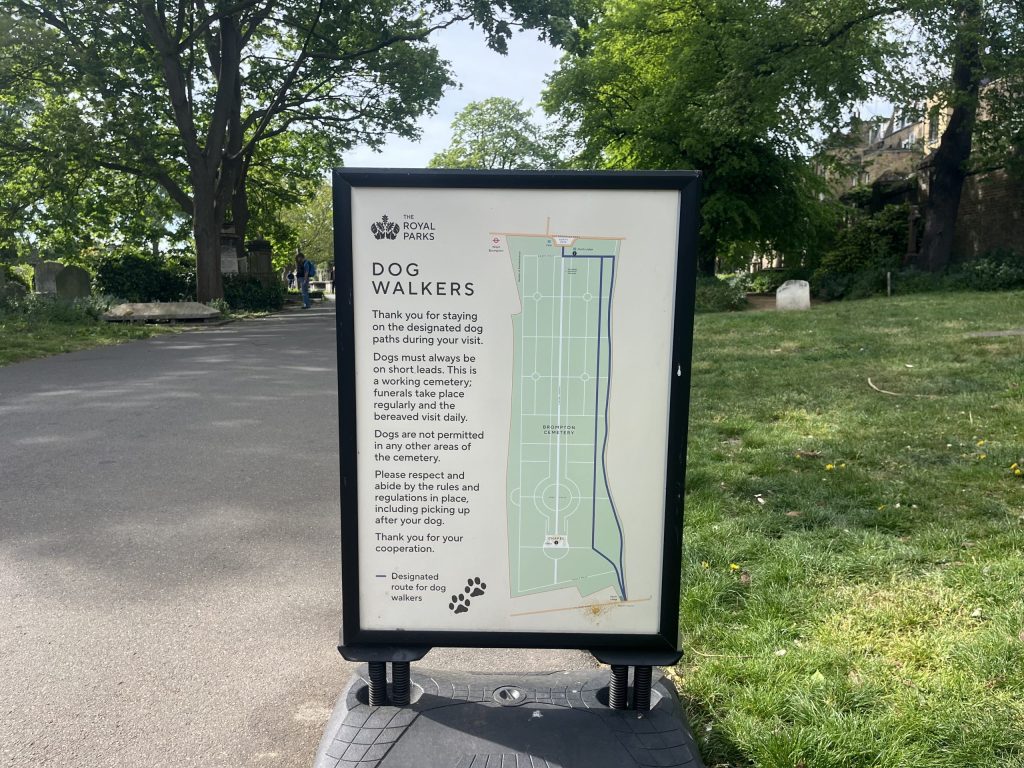
A spokesperson for Royal Parks, the organisation which oversees Brompton Cemetery, confirmed two foxes were found dead in the cemetery but said they had not received any reports of dogs becoming unwell.
In Holland Park, a spokesperson for Kensington and Chelsea’s Parks Police said chicken had been found behind bins but they had no evidence of the “rumours” the food had been poisoned.
The unwell dog – and its potential poisoners – remained elusive.
However, on a Monday evening two weeks after the initial report was made, more posts started to appear on the timelines of Nextdoor users.
In Brompton Cemetery, a dog walker had found a pile of cornflakes containing mysterious pills, while another had come across discarded chicken – allegedly with powder sprinkled on top – just a few minutes’ walk from Holland Park.
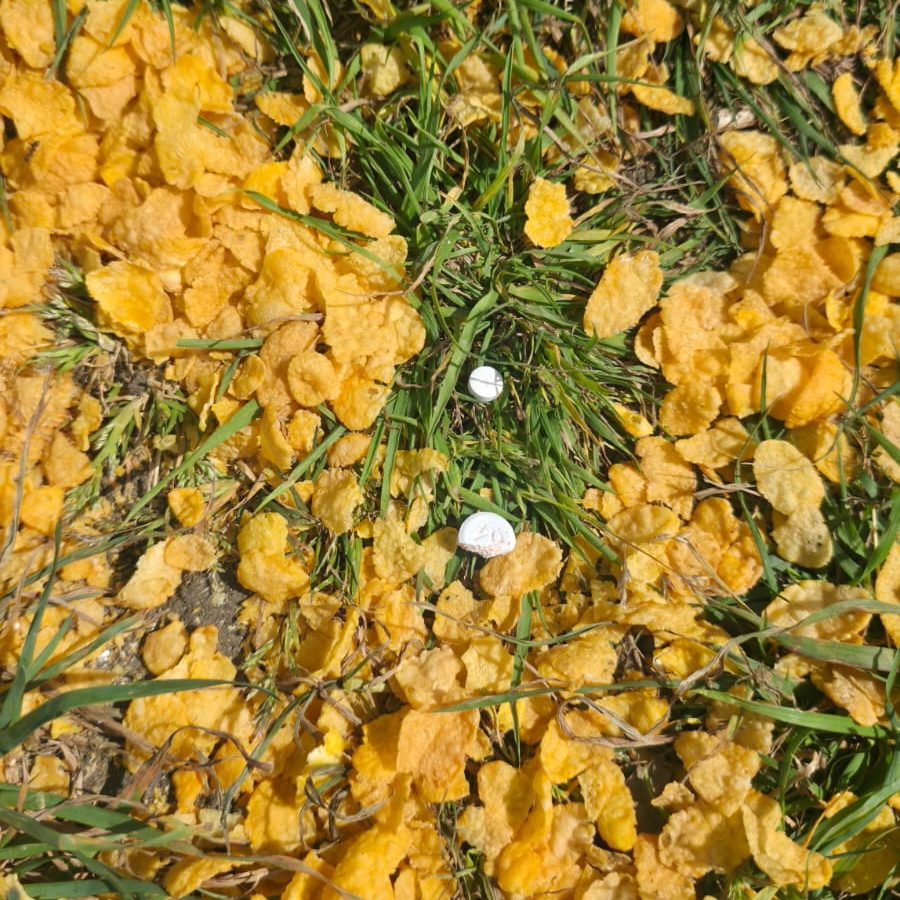
The news certainly seemed worrying, but, without any confirmation of the substances, they didn’t offer much clarity for owners.
Had the social media stir over the Met’s report caused a community wide case of conformation bias over any food scrap found in an unusual place?
Meanwhile, neither Royal Parks nor the council had received any more reports of contaminated food being found in the parks.
Concern had started to spread south of the river. On Tooting Common, coins, toothpicks, and bay leaves had been found stuck into a mysterious grey substance.
Yet some commenters on Facebook, citing an aversion to spreading fake news, were keen to highlight it may not in fact be a malicious dog trap.
Instead, it could be an ancient symbol of prosperity, or perhaps a makeshift hedgehog which had ventured onto the common from a local school.
However, when the SWLondoner spoke to Victoria Philipson, the owner of a whippet named Bambina, the reports began to seem scarily real.
Bambina had been taken for a walk in Brompton Cemetery in late March and, upon her return, began to have stomach issues and struggled to lift her head.
After rushing her to the vets, Victoria was told that Bambina had been poisoned, although it remained unclear what she had eaten.
Over the last month, Bambina has suffered recurrent bouts of pancreatitis caused by the poisoning and has spent multiple nights at the vets.
Philipson said: “They’re saying she might not be able to eat normal food again because it’s been so severe, which has been pretty full-on.
“It’s all been quite traumatic. I’m really hoping that she’s going to be better soon but it’s such a long recovery with pancreatitis that it’s all quite tricky.”
Yet she confirmed Bambina was not the dog initially mentioned in the report made by the Met, once again prompting questions over how many dogs may had been affected by the suspected poisonings.
Philipson added: “It’s all just really odd. I don’t know if there’s a pattern of it going on all over London at the moment but it’s really weird.”
Only days after speaking with her, more reports began to emerge from Brent. This time, a lime had been found stuffed with what appears to be meat and rusty nails in Roundwood Park.
Brent Council suspected this to be further evidence of deliberate poisonings.
A council spokesperson said: “We take these reports extremely seriously.
“Our teams are urgently investigating and carrying out inspections of the affected areas as a precaution.
“The safety of residents, particularly children, as well as pets and wildlife, is our top priority.”
Brent councillor Tariq Dar posted on a local Facebook group that rat poison and toxic meat had now been confirmed in multiple poisoning cases across north west London by the police, with local vets reporting fatalities.
He said: “This strongly indicates that there is more poison present in these environments than we might have initially thought, and increases the risk of dogs being exposed, including through contact with contaminated animals.”
Kensington and Chelsea Council, along with Brent Council and Royal Parks, have said that their teams remain extra vigilant in parks and have stepped up patrols.
But while confirmation of the reports has shed some light on the rumours, concerned owners are yet to be reassured.
Paola Krueger has been more fearful when walking her three dogs after seeing the numerous posts on social media.
A few years ago, one of her dogs fell ill and died just days after being taken for a walk in Brompton Cemetery.
She said: “Maybe it was a coincidence but now it gets me wondering again if he ate something here.
“In the morning he was fine, then later that day he was unwell and a few days later he’d passed.
“Now, I’m more concerned because you never know.”
A spokesperson for the RSPCA told the SWLondoner owners should look out for symptoms such as vomiting, seeming depressed or sleepy, appearing drunk and uncoordinated, seizures, or difficulty breathing.
They added: “Our hearts go out to anyone who suspects their pet has been poisoned. Thankfully, deliberate poisoning of animals is rare.
“If you suspect your pet has been poisoned, please contact your vet straight away.
“Signs of poisoning can be seen anything from 30 minutes after an animal has ingested the chemical, though it can be two or three days before signs of kidney failure are seen.”
Authorities are urging walkers to stay vigilant in parks and contact both the council and the police on 101 in case of any further sightings.
Feature image: Hamish McCorriston