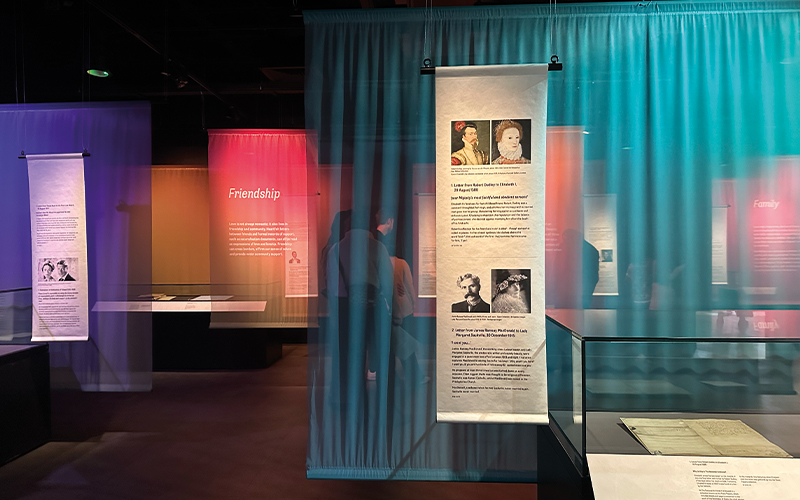
The National Archive’s ‘Love Letters’ exhibit has been an unparalleled success, drawing its highest ever visitor count in a single day.
On Valentine’s Day, the free exhibition, located in Kew, Richmond, drew 759 people to the National Archives, a stark increase from the rolling weekly average of 158 visitors per day.
Brought to life by a team of talented curators, the exhibit documents the intimate declarations of love from a range of unknown scribes, royalty and literary icons including the renowned Jane Austen, Oscar Wilde and Catherine Howard.
The exhibition follows love in all forms – romantic, familial, platonic, love that risks reputation, unrequited love and the root of most correspondence between lovers: separation.
Victoria Iglikowski-Broad, principle diverse histories record specialist and lead curator of the exhibition told the South West Londoner: “It was definitely a bit of a risk, but a risk we wanted to take to learn what people engage with and to tell different stories of the archive.”
She added: “People see themselves reflected in the archives from 100 or 200 years ago”, a rewarding effect that drives her to create exhibitions like these which promote visibility.
The exhibition displays the original copy of Jane Austen’s will in which she leaves all of her possessions to her sister Cassandra, with two minor exceptions. Austen’s will is unusually short at only 90 words, written just three months before her death aged 41.
Also on display is a private letter written from Catherine Howard to her alleged lover Thomas Culpeper, a demonstration of the famous love affair that led to the execution of them both for treason and adultery.
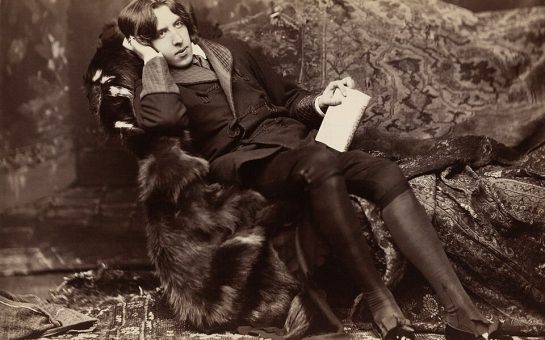
A letter rich with affection sent from Oscar Wilde’s lover, Lord Alfred Douglas, to Queen Victoria, requesting Wilde’s release from prison following his arrest in 1895, is also showcased for public viewing.
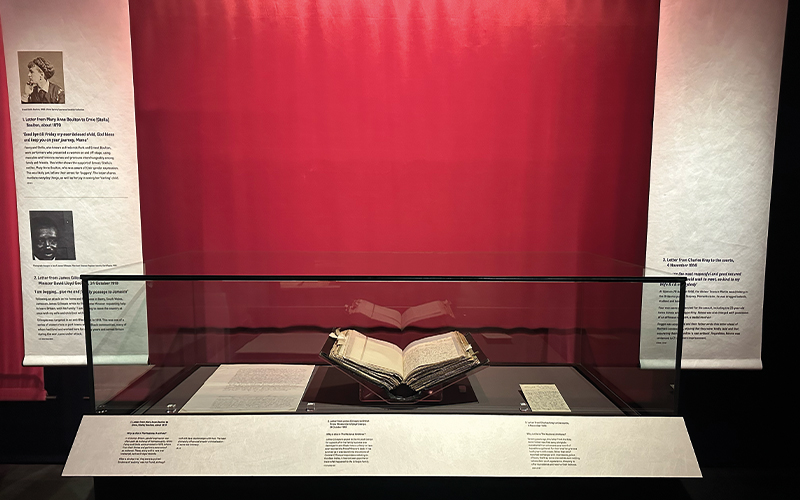
Iglikowski-Broad emphasised the importance of framing the case studies sensitively, drawing on a particular display of a letter from Macnamara to Bobby – one of several letters seized in a 1920s raid linked to same-sex relationships – in which she decided to omit a particular police photograph which felt voyeuristic to display publicly.
She described the exhibition as experimental, taking a different approach to others at the National Archives by encouraging its visitors to engage with their emotions and think about the archives in a different way.
“You can’t really tell a narrative of love over 500 years. It’s about individual interactions and how people have experienced love in the past,” she said.
Iglikowski-Broad specialises in diversity, which is reflected in the way the exhibit champions histories like women in gender, LGBTQ+, black and ethnic minority and migration which have historically been marginalised, sharing their stories and making them more accessible.
The exhibition has been widely positively received, with visitors filling the exhibition’s feedback wall with comments like “love makes the world go round” and “I love love”, commending its acknowledgement of love in all forms and representation across gender, sexuality and race, creating the sentiment that all stories are placed on a level field.
Moshfiqah Takia, 18, a visitor, said: “Going around the exhibition, I could feel that the letters hold so much emotion, something you could never get from modern messaging.
“It gives you insight into what love looked like for other people and that it’s not always smooth-sailing. It’s eye-opening.”
Iglikowski-Broad added: “There might be monarchs, but there are also paupers and everyone’s experience is important, because it’s organised by theme and nothing else.
“Love is universal, and it can be similar across time periods – we might feel like 500 years ago was very different from now, but there’s more likeness than difference, and we’re all more similar than we might think.”
Featured image credit: Riana McConochie