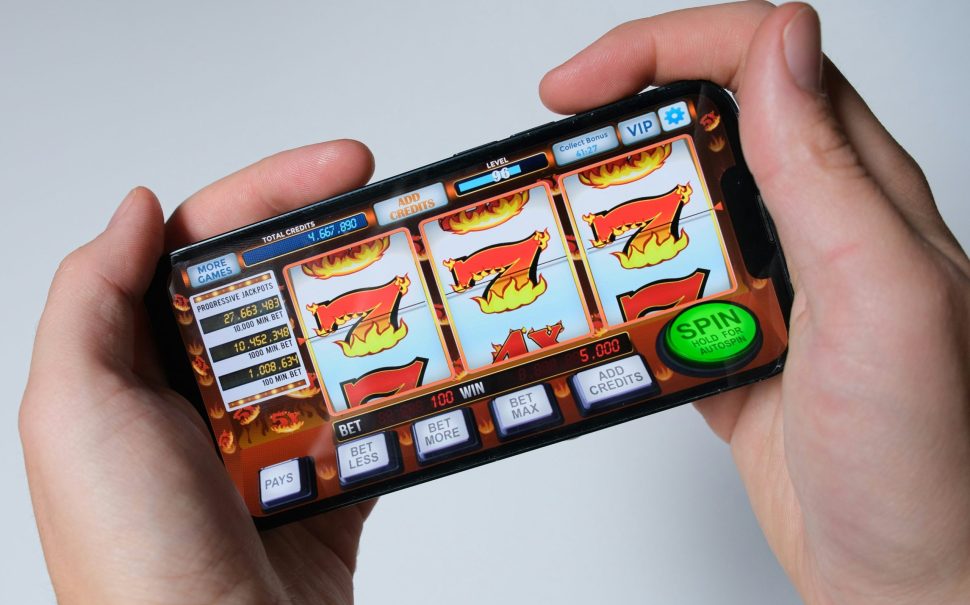
Evening entertainment looks remarkably different today. People no longer rely purely on television broadcasts, feature films, or expensive nights out.
Instead, a modern night in frequently includes digital activities, from streaming series and scrolling feeds to engaging with online communities.
As viewers embrace “second-screening” habits, with many British viewers using mobile devices while watching TV, online gaming has naturally become a common activity that people easily fit into relaxed evening routines.
It is simple to access, highly varied, and more interactive than passive formats.
Online gaming moved from niche hobby to everyday entertainment
Online gaming is no longer an activity isolated to dedicated enthusiasts.
The current landscape includes mobile games, browser challenges, multiplayer arenas, casual puzzles, and casino-style platforms.
Faster internet connections, intuitive app stores, simple sign-up processes, and powerful smartphones have made play far more accessible.
As a result, mobile gaming now accounts for around half of global games revenue, making it one of the dominant formats in the market.
Because the barrier to entry has lowered considerably, the audience has naturally widened beyond younger, dedicated gaming enthusiasts.
Today, gaming competes with streaming services, podcasts, and social media feeds as a staple of everyday at-home entertainment.
Convenience made gaming fit around evening routines
The defining feature of modern digital entertainment is how effortlessly it integrates into home life.
Online gaming works particularly well for modern night-in habits because players can engage for just a few minutes or extend into longer sessions depending on their mood.
People might play a quick round while relaxing after work, squeeze in a level during a television ad break, or casually play while chatting with friends.
This convenient flexibility is supported by cross-platform capabilities, which have shifted from luxury features to common expectations.
By offering high accessibility and low effort, online platforms remove traditional barriers.
For many people, short gaming sessions can feel like a simple way to unwind after a busy day.
Ultimately, online gaming fits naturally into a relaxed evening routine precisely because it eliminates the need for travel, advanced planning, or expensive equipment.
Casual games changed who online gaming appeals to
Casual formats have broadened the appeal of interactive digital entertainment.
Not every player wants to memorise complex controller layouts, commit to long campaign narratives, or participate in highly competitive matches.
Casual formats such as puzzle games, card apps, quiz platforms, simple multiplayer arenas, and casino-style titles offer a more accessible alternative.
This shift is reflected in the way casual games now appeal to a broader mix of players, including older adults and people who may not identify as traditional gamers.
Many of these players are drawn to puzzle, card, quiz, and skill-based designs because they are quick to understand and easy to revisit.
Once a player recognises a game’s core pattern, the experience can start to feel familiar and intuitive, an idea discussed in A Theory of Fun for Game Design.
Designed around short, flexible, and easily pausable sessions, casual titles allow people to enjoy an engaging evening without the time commitment often associated with traditional gaming.
Themed games make online entertainment more memorable
One of the primary reasons online games stand out in an increasingly crowded market is their strategic use of themes.
Adopting a clear visual aesthetic makes a game instantly recognisable, visually interesting, and consistently enjoyable for casual players.
Modern titles frequently leverage familiar cultural settings such as sports, outdoor adventures, fishing environments, ancient mythology, blockbuster films, and seasonal events.
This design choice, defined as the Lens of Resonance, taps into archetypes users already find meaningful, helping players intuitively understand the game’s mood right away.
For example, in adult, regulated casino-style gaming, some players may compare free spins on themed titles such as Big Bass Splash, where the familiar visuals and simple format can make the experience feel more accessible during a relaxed night in.
Gaming has become more social than solitary
Online gaming is now widely recognised as a social endeavour rather than an isolated hobby, even when people are playing from home.
Modern platforms integrate collaborative multiplayer modes, live chats, streaming broadcasts, shared leaderboards, and large-scale online events.
In fact, 89% of Generation Z players highlight that these platforms facilitate new friendships.
For many individuals, opting for a night in still feels highly social because they are actively chatting in friend groups, watching shared streams, or engaging in friendly competition online.
These interactive environments effectively fulfil the human desire to participate in connected communities and varied social groups.
Night-in entertainment now blends different digital habits
It is increasingly rare for individuals to focus on only one single activity during a night in.
Consumers routinely stream a series, message friends, play a mobile game, scroll through social media, watch live content, and follow sports updates concurrently.
As frequently noted in lifestyle coverage by platforms like SW Londoner, online gaming has gracefully integrated into this blended entertainment routine.
Because it is highly adaptable, it comfortably sits alongside varied digital habits without demanding total isolation.
By catering directly to audiences who often consume media with deliberately divided focus, casual games naturally complement the broader, multi-screen lifestyle that defines a modern evening in.
Responsible play still matters
Maintaining a balanced routine means treating online games and casino-style apps strictly as entertainment, and never as a way to make money.
Players should prioritise their well-being by understanding costs beforehand and utilising built-in software features to set strict time limits.
Establishing these boundaries is vital, as extended play can trigger fatigue and impair decision-making.
Crucially, players must intentionally avoid chasing losses by accepting that allocated budgets function purely as discretionary entertainment comparable to budgeting for a traditional night out.
Adopting responsible digital habits ultimately ensures you engage safely, utilise available tools to maintain balance, and only select reputable platforms that respect your personal limits and adhere to local rules.
What this says about the future of home entertainment
Modern night-in entertainment is becoming significantly more interactive, personalised, and social.
Online gaming actively supports this shift by giving people greater choice, unmatched convenience, and engaging variety.
As digital habits continue to change, online gaming will likely remain just one structural part of a wider mix of streaming, social media, live content, and casual at-home entertainment.
Featured image: Free to use from Unsplash