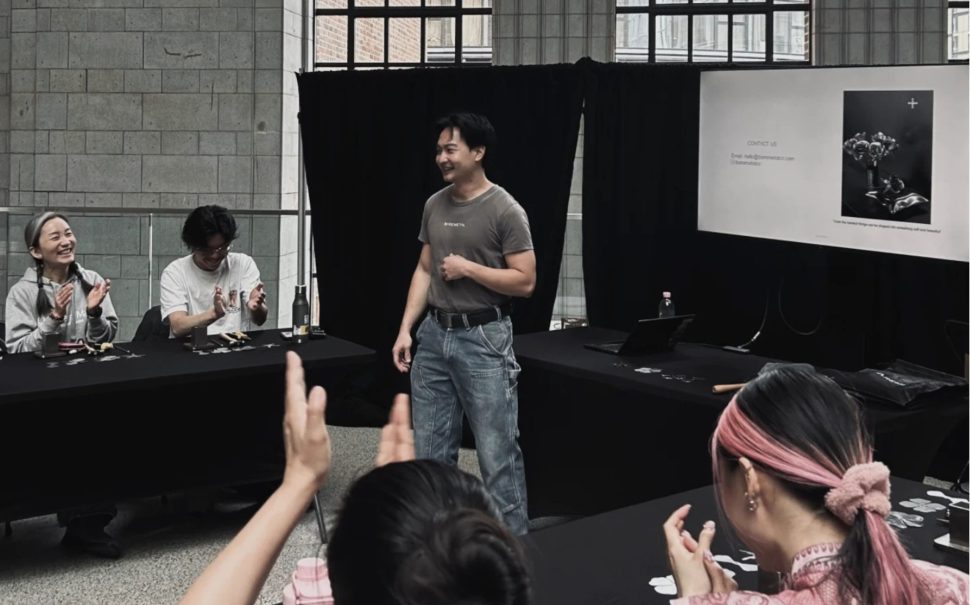
London Craft Week returned this month to celebrate traditional skills and handmade objects in an increasingly mass-produced world.
Sustainability and re-use of materials have increasingly become keen concerns for designers, and they are finding ways to share that creativity with the rest of us.
The annual festival brings together over 1,000 established and emerging designers, brands and galleries from around the world.
Visitors can embrace the range of designers within London, from hidden workshops and independents to leading department stores and contemporary galleries.
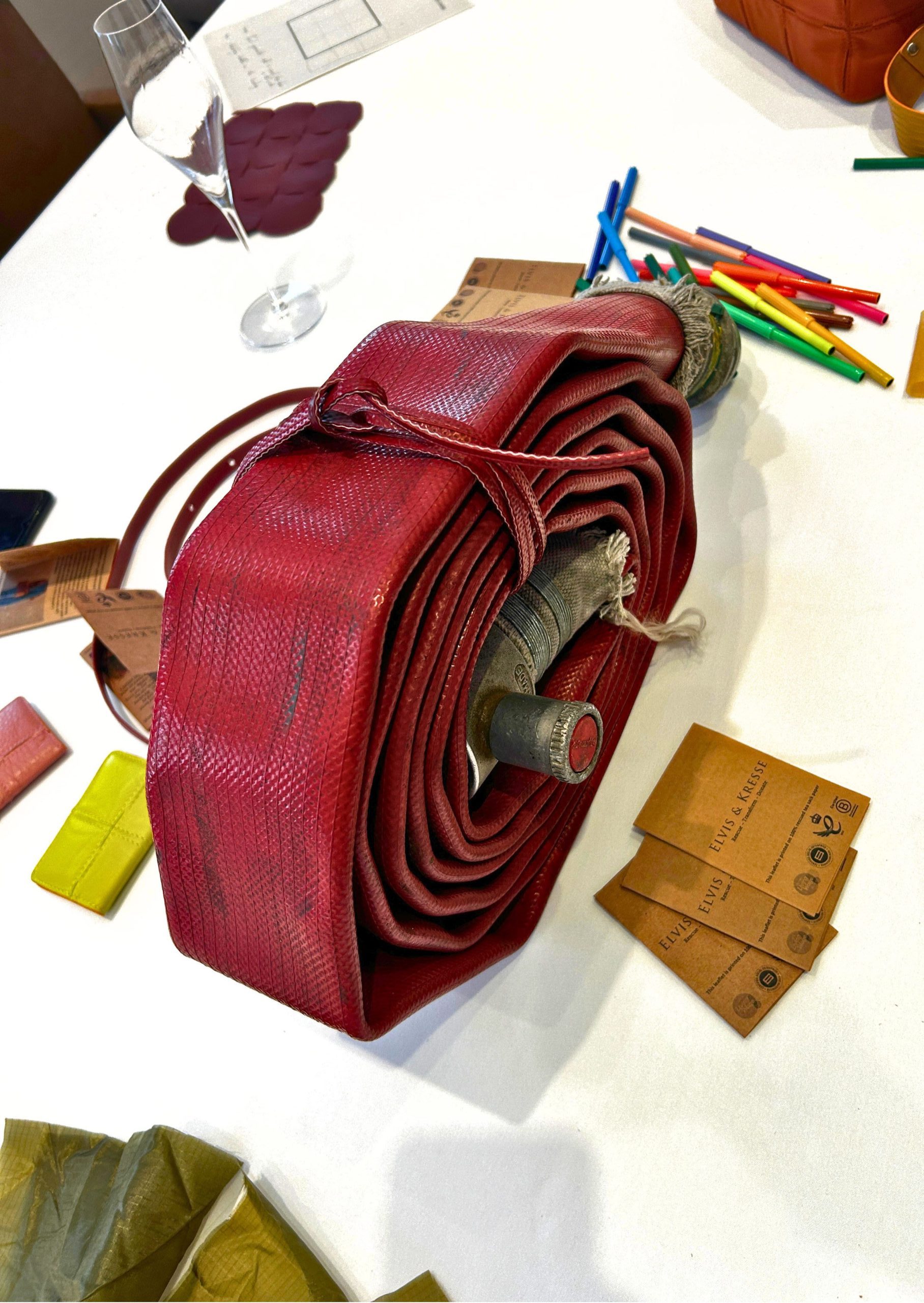
One of the festival’s most compelling stories came from sustainable luxury brand Elvis & Kresse, which began in 2005 after the founders of the name-sake brand discovered piles of decommissioned fire hose awaiting landfill at a Croydon fire station.
Determined to save the material, Elvis began turning it into belts, and the idea took off when he stayed up overnight making 500 belts from the old nylon and rubber hoses for a climate change fundraising event – all of which sold out.
He said: “We didn’t set out to make luxury accessories, we set out to solve the problem of the fire hose.”
Since then, the company has rescued every retired London fire hose from landfill while donating 50% of profits to the Fire Fighters Charity.
Today, Elvis & Kresse collect hoses from across Britain and also work with luxury leather offcuts from companies such as Burberry and Rolls-Royce.
Kresse argues that waste is often a design problem rather than a materials problem.
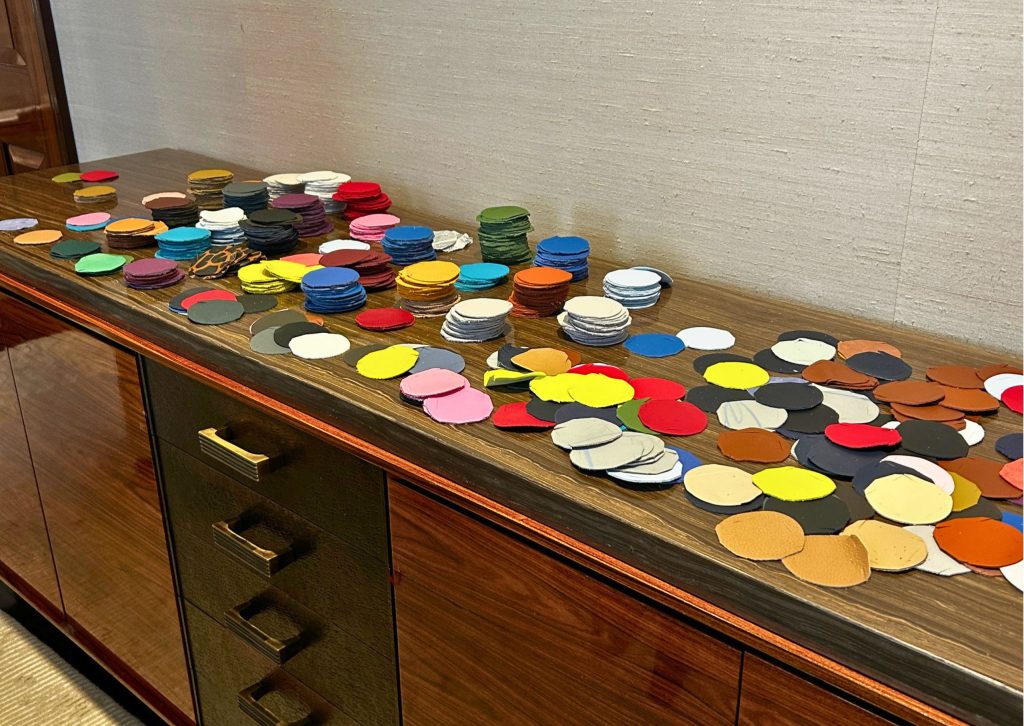
Globally, around 800 million tonnes of leather waste is generated annually before products even reach consumers.
Luxury manufacturing can be surprisingly inefficient, with significant amounts discarded during cutting and production.
By reverse-engineering products around available materials, Elvis & Kresse claims it can achieve utilisation rates approaching 90%.
The company reflects a growing trend in modern craftsmanship, challenging preconceived notions about waste and the potential of materials.
As Guy Salter, OBE MVO, chairman of London Craft Week, said: “London Craft Week is a response to a renaissance in the appreciation of creativity and craft; to the role of hand, unique skills and true talent.”
For anyone seeking a new vase, pair of earrings or wallet, the easiest option is often to head to the store or order online and choose from countless manufactured options as it’s affordable and fast.
Handmade products, by contrast, typically come with a higher upfront price tag.
Yet the economics of craftsmanship often centre on a trade-off between short-term cost and long-term value.
Higher quality materials, greater durability and careful manufacturing mean many handmade goods can last decades rather than years.
Pushing consumers to think about the benefits is important to help people make informed decisions. Enforcing that connection between craft and value through workshops was evident throughout London Craft Week.
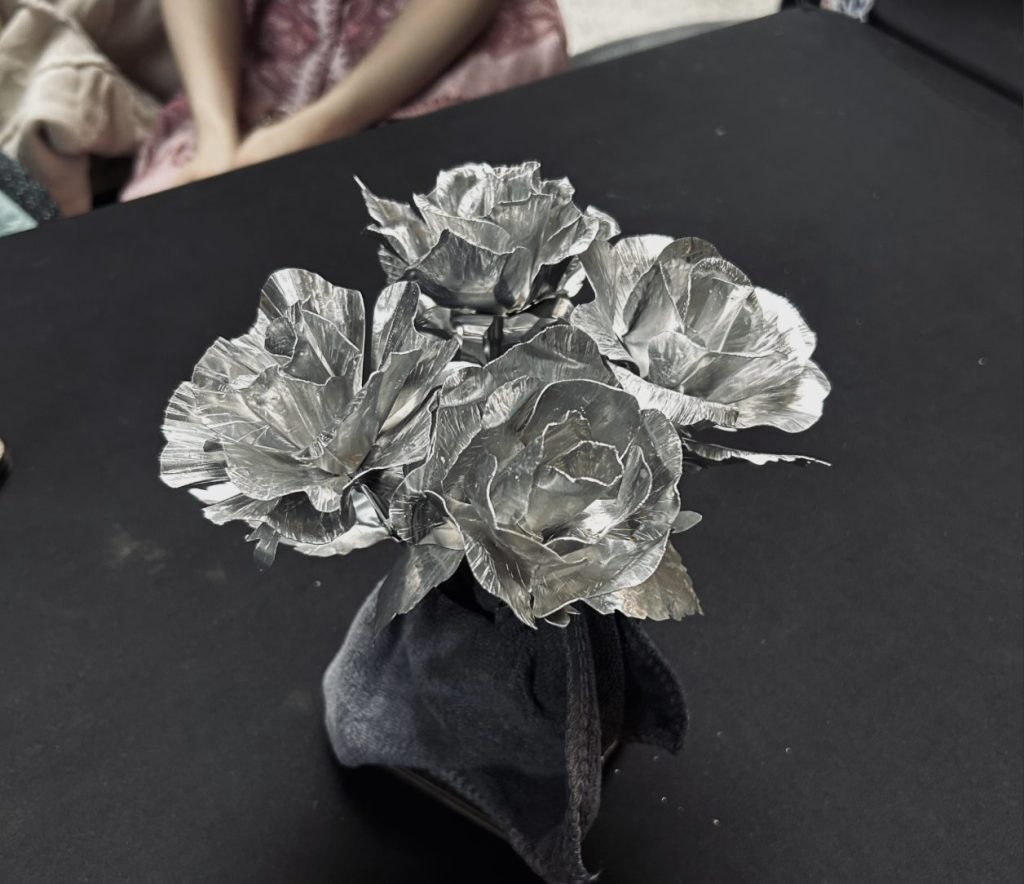
That creative approach to materials was echoed by Singapore-based metal workshop Baremetalco, which also participated in the festival.
The company began as a family fabrication business established in 1992. Founder Matthias Yong represents the second generation and has spent the past eight years reimagining what a traditional metal workshop could become.
He said: “In a fast-moving world, I felt that the family business was behind and needed a change.
“I decided to readapt it for the new generations of craft and small manufacturing businesses.”
Rather than focusing solely on industrial fabrication, Baremetalco now runs workshops where members of the public can create metal roses, copper bowls and sculptural objects by hand.
The initiative began with support from Singapore’s National Heritage Board and a desire to preserve metalworking skills while making them more accessible.
Yong said: “For many people, metal crafting may feel intimidating or industrial.
“We wanted to create an experience that allowed the public to interact with the material in a more intimate way.
“I think working physically with our hands grounds us more in real life.
“In a world where so much of our lives happen digitally, these workshops give people space to slow down, focus and reconnect.”
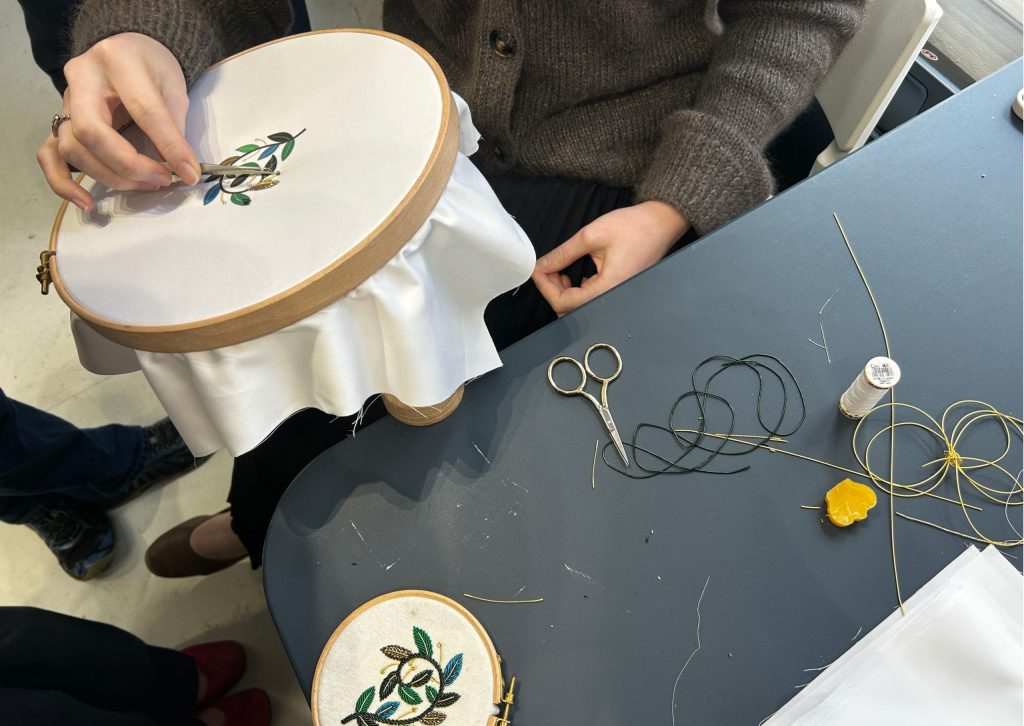
That desire to reconnect with physical making is something many craftspeople are observing, while consumers increasingly seek a sense of human involvement in the products they buy.
That same sentiment is evident at Hand & Lock, London’s historic embroidery house founded in 1767.
For more than 250 years, the company has supplied military uniforms, haute fashion houses and royal commissions.
Despite assumptions that traditional needlework might be fading from modern life, Hand & Lock has experienced the opposite.
A company spokesperson said: “Since lockdown especially, more people have been drawn to embroidery and handmade crafts as a way to slow down, learn new skills and reconnect with creative, hands-on making.”
Its workshops, which began as small studio sessions in the early 2000s, have grown into an international programme of in-person and online courses.
Participants frequently describe the experience as both rewarding and therapeutic.
This renewed interest in craft may seem surprising in an era defined by speed, convenience and automation.
Yet perhaps that is precisely the point. One of London Craft Week’s greatest strengths is turning visitors from observers into makers, giving them a first-hand appreciation of the skill, patience and craftsmanship behind products hopefully changing buying habits to be more sustainable.
Baremetalco’s Yong believes it is all a sign of a new generation who are becoming more conscious of the disconnect created by modern consumption, and who want to change that.
He said: “When something is handmade or personalised, you can feel the presence of time and labour within it.
“It becomes more than just an object.”
Feature image: Baremetalco