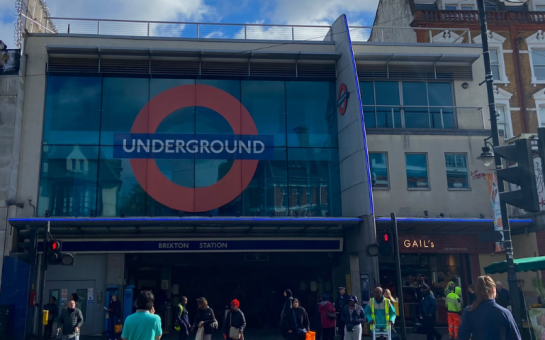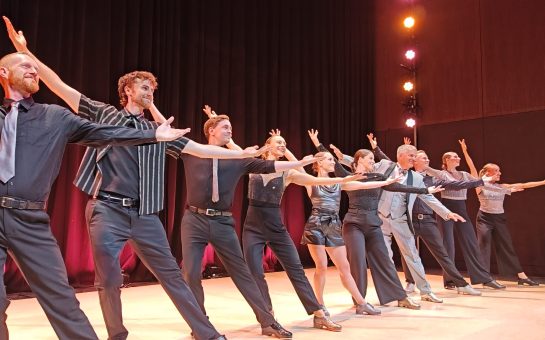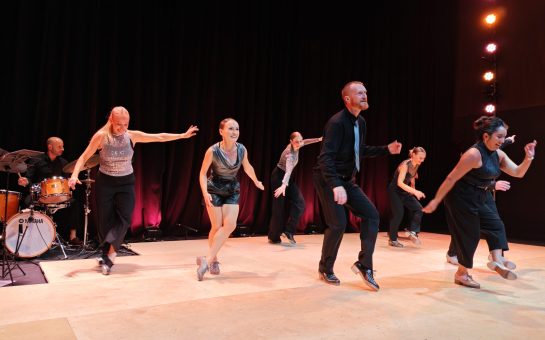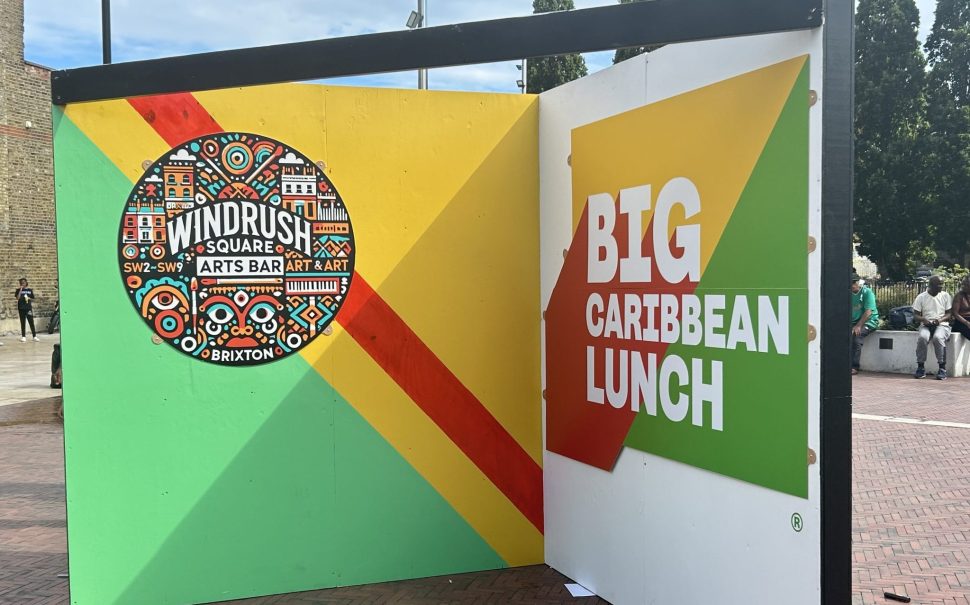
The Big Caribbean Lunch held its fourth annual Windrush Day celebration in Brixton on 28 June.
The family-friendly event returned to Windrush Square with its largest programme to date, offering a vibrant display of Caribbean culture through live music, performances, guest speakers, a marketplace and a complimentary Caribbean meal for Windrush elders aged 75 or over.
Founder Ros Griffiths said: “The Big Caribbean Lunch is much more than a community event, it is a celebration of heritage, culture, unity and belonging.
“Inspired by the tradition of families and neighbours gathering around the table, it brings together people of all ages and backgrounds to celebrate the enduring contribution of the Windrush Generation and their descendants.”
This year’s Windrush Day on June 22 marked the 78th anniversary of HMT Empire Windrush docking at Tilbury, Essex, in 1948.
The ship was one of many which carried hundreds of passengers from the Caribbean after they were invited by the post-war government to help rebuild the country.
The Empire Windrush became symbolic of a new era of mass migration that changed the face of Britain.
Windrush Square – which owes its name to the historic event – drew a crowd from the local community and beyond as many came to sing, dance and enjoy the free event.
One of Griffiths’ priorities was ensuring the event genuinely served her community and there were no financial barriers preventing visitors from participating in culture.
She said: “The inspiration came from recognising that whilst Windrush Day is an important national moment, communities needed something that felt truly inclusive, accessible and owned by the people.
Attendee Charmaine Taylor, 74, journeyed from Wembley and praised the event.
Taylor said: “Today was brilliant. Well organised and the entertainment was first class.
“Being part of an event like this, bringing everyone together in peace and harmony and just one love.”
Taylor was born in Jamaica and came to Coventry as a child in 1960 with her mother and three siblings.
Like many families, her parents left their children behind when they first came to England in 1955, with her mother returning to Jamaica to collect Charmaine and her siblings to reunite the family.
Taylor said: “Mum and dad went through the severe hardship of living in England.
“The racism, the toiling every day to make a better life for their family and of course the horrible, horrible weather that they weren’t used to.”
Taylor has since moved back to Jamaica, but always makes sure to attend a Windrush event if she’s in the UK at the time.
Taylor said: “Windrush is so important to remember what our last generation went through for us.
“We can’t allow this event to be forgotten and to fade into the dim and distant memory.
“We have to raise our voices to make sure our parents’ generation is not forgotten and will receive their due recognition.“
Stories like Charmaine’s were at the heart of the day, as Windrush elders took to the stage to recount their experiences.
Lynn Thomas, 87, reminisced about her childhood in Jamaica, singing market songs from her youth.
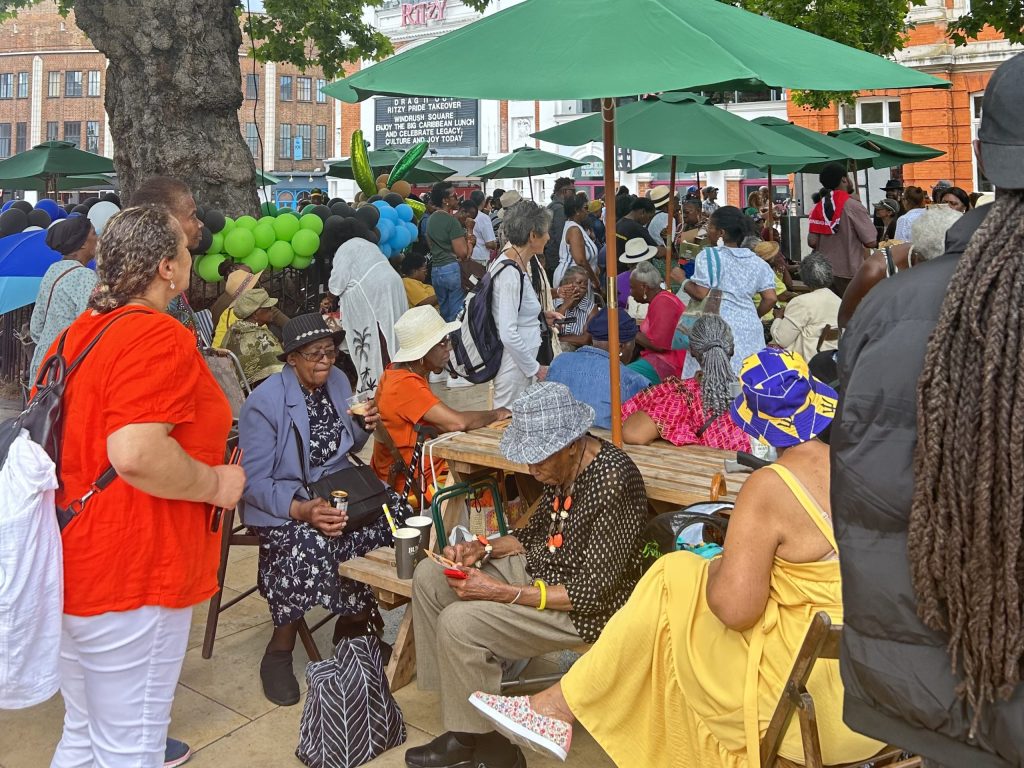
Another elder, Pauline Davis, came to England in 1952 and recalled the three-week boat journey from Jamaica to Southampton as well as her parents’ efforts to help fellow Caribbean people who first arrived.
“They said the pavements were paved with gold,” she said, comparing her expectations of England to the reality that faced them.
Caribbean migrants were met with a cold reception when they arrived in England and many struggled to find housing or work due to racism.
Brixton became home to a large Caribbean community, and was the scene of infamous race riots in 1981 sparked as a result of racial tensions.
Today, Brixton is known as a vibrant multicultural area, still defined by a strong Caribbean presence and is also home to the Black Cultural Archives.
Griffiths said: “Brixton has always represented resilience, creativity and community.
“For generations, it has been a place where Caribbean people built businesses, churches, social organisations and cultural institutions.
“It became a home where people found opportunity, solidarity and belonging despite many challenges.”
Brixton is currently experiencing gentrification, which threatens to displace long-time residents and businesses.
Griffiths argues that preserving Brixton’s Caribbean identity is essential and without it, the area risks losing its soul.
She said: “If we lose the stories, traditions and lived experiences that shaped Brixton, we lose an important part of London’s history.”
Since 2018, Windrush has become associated with a government scandal in which it was revealed that many long-term citizens had been wrongly detained, denied legal rights and deported due to not having proper documentation even though they came to England as British subjects under the Commonwealth.
While hardship and struggle was acknowledged, it was a day of celebration and the elderly forgot their ailments as they danced to the sounds of reggae, calypso and ska.
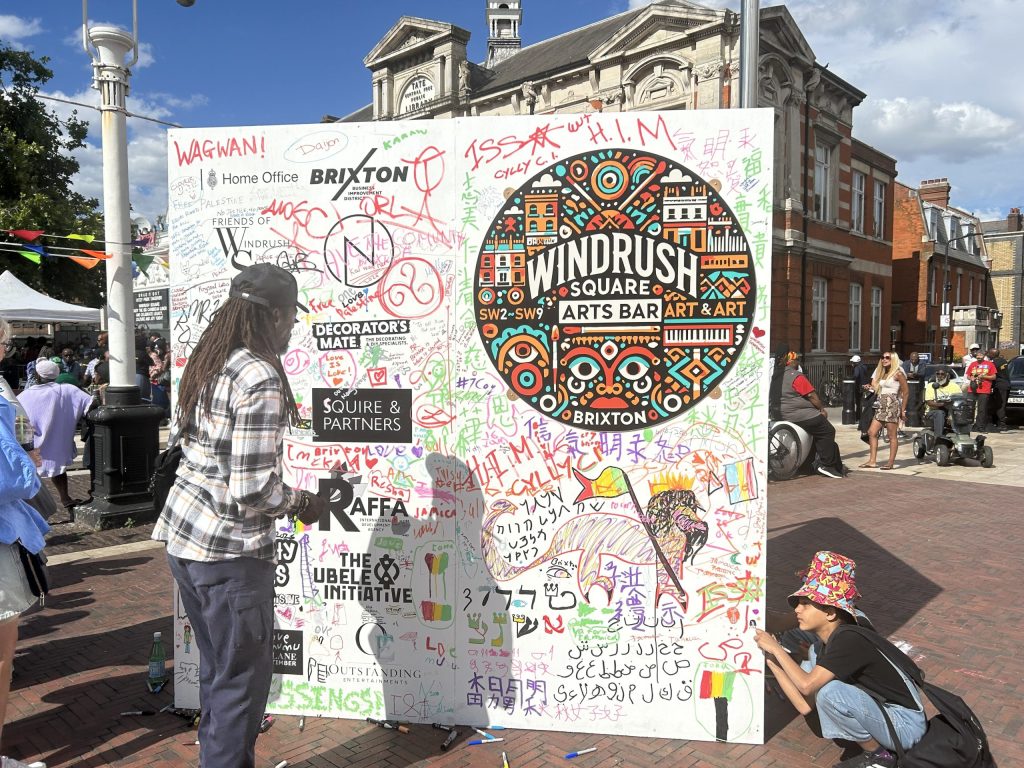
“If my grandparents were here today they would’ve loved something like this” said neighbourhood policing sergeant Troy Simpson.
Troy’s grandparents came to the UK from Guyana, and his grandmother, like many women from the Caribbean, worked as an NHS nurse and helped to build the service to what it is today.
The contributions of the Windrush generation transformed Britain from music and food to politics, helping to shape a multicultural society.
Griffiths said: “Community is our greatest strength, and that preserving the Windrush legacy is not only about remembering the past, but about building a stronger, more connected future.”
Featured image credit: Jade McDowell