A recent study carried out by Hillary’s, a retailer of blinds, curtains and shutters, with a microbiologist, has revealed how dirty windows can get if they are not cleaned regularly.
Reynold Mpofu, a microbiologist from BioLabTests, found that over half of Brits admitted to regularly window-washing (55%), yet one-third of UK homeowners admitted to never cleaning them (30%).
On the importance of cleaning windows, Mpofu said: “For people with asthma, allergies, eczema or weakened immune systems, the mix of mould spores, dust and faecal bacteria can be enough to spark respiratory irritation, skin flare-ups or infections.”
Meg, asthma sufferer, said: “This data is shocking, I wish I had been aware of this before as it could have made a real difference.”
The data was collected using a survey among 2,000 UK adults, and results demonstrated the demographics most likely to leave their windows and curtains uncleaned.
The survey demonstrated that younger adults, aged between 18 to 24, clean their curtains the least out of all the demographics, with 28% respondents saying that they never cleaned them.
The data process also included three sample homes, in which homeowners reported that the window frames and window handles were cleaned once per month.
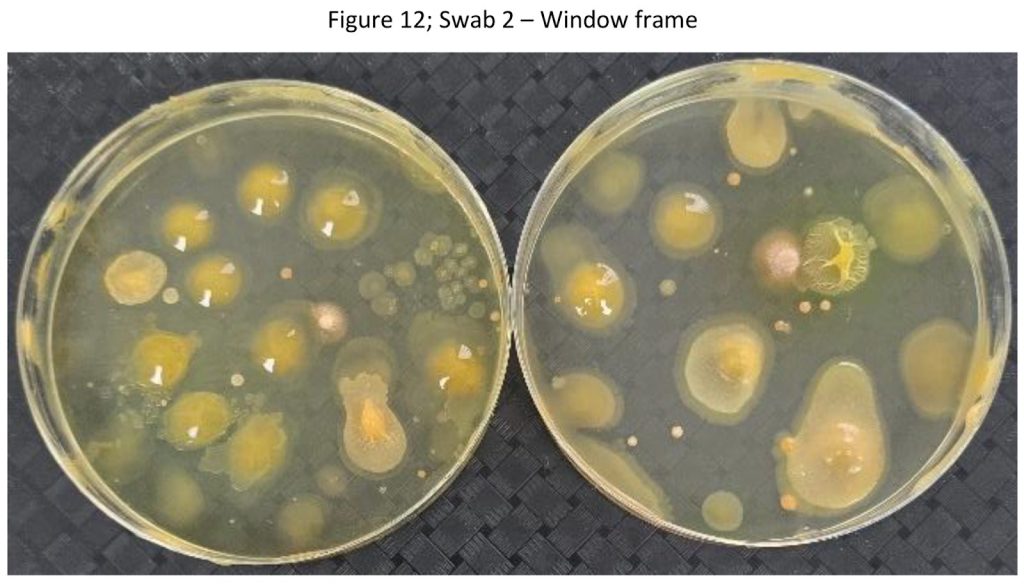
The window frame swab analysis showed that window frames had the most bacterial growth, with some of the surfaces tested being significantly dirtier than those typically found on the London Underground.
London Underground tube handrails have been shown to carry 1,600 bacteria, but the worst window frames investigated carried nearly 15,000 bacteria.
The window frame bacteria included E coli, which can suggest faecal contamination, yeast and mould, which can cause respiratory irritation and staphylococcus.
Reynold Mpofu said: “While it’s impossible for hands to be completely free of microbes, some of the bacteria they carry can cause acute or chronic illness.
“With many people avoiding or not thoroughly washing their hands, bacteria can survive and thrive on door handles, especially under the right conditions.
“Staphylococcus aureus and Staphylococcus epidermidis from the skin, Streptococcus species from the mouth and respiratory tract, and faecal-associated bacteria such as E. coli and Enterococcus are among the many bacteria commonly found on the handle.”

Yvonne Keal, Senior Product Manager at Hillary’s, has provided tips for cleaning window frames, handles and curtains.
Keal said: “To clean window frames and handles, the best option is to use warm, soapy water on a non-abrasive, soft cloth.
“Always check the material of your window frames and handles, as this can determine the exact cleaning agent and method that will sufficiently clean the surfaces and prevent damage. Begin by removing any loose dirt or debris with a soft brush or a brush attachment on your vacuum.
“Wash and wipe the window frames and handles with a mild solution of warm soapy water, ensuring to start from the top and work your way down.
“Corners and handles tend to build up the most grime and dirt, so pay close attention to these smaller areas that can end up missed.
“Once done, rinse thoroughly with a clean cloth and water to remove all soap and prevent streaks, and ensure all surfaces are completely dry.
“Regardless of the material of your window frames, always avoid using abrasive cleaning materials, harsh chemicals or ammonia-based cleaners.”
Featured image: by Annie Spratt on Unsplash