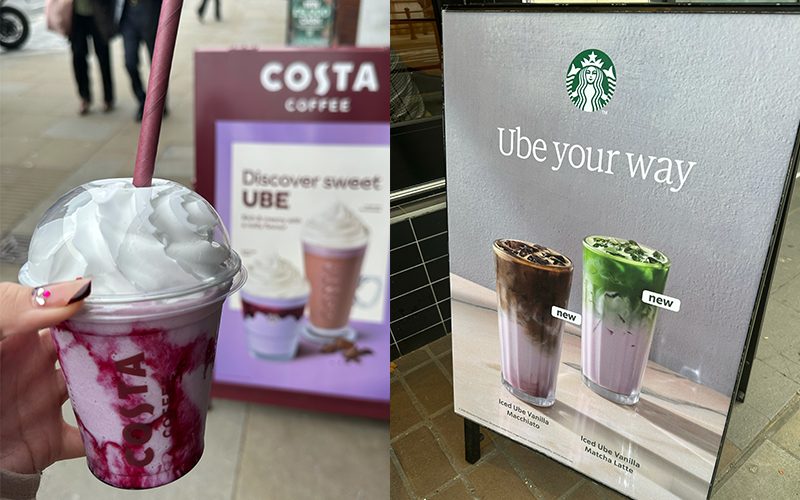
Following the footsteps of matcha and hojicha, ube is looking like the next flavour trend to hit London cafes – and it’s been met with criticism.
The start of spring has seen the release of Starbucks and Costa Coffee’s new seasonal menu featuring a line of bright lilac ube beverages.
The UK are set to be graced with bright purple matchas and lattes, as well as hot chocolates and frappes.
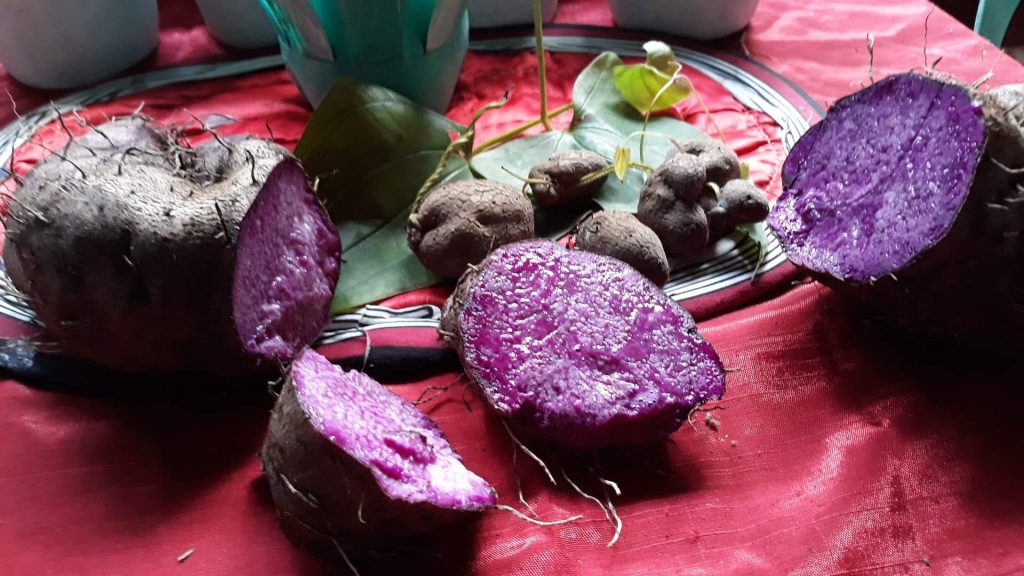
Ube is a purple yam native to the Philippines known for its deep violet colour. It is a signature in Filipino cuisine and desserts now used in many viral Filipino food and drink shops in London.
Often described as nutty, earthy and sweet, akin to vanilla, the flavour started creeping into mainstream UK high-street coffee shop chains last summer with the release of Pret’s ‘Ube Brulee’ latte and Black Sheep’s ‘Hocus Pocus’ Ube Matcha for Halloween.
Filipino ice cream parlour Mamasons, a staple in Chinatown, has had ube as its most popular flavour since 2018.
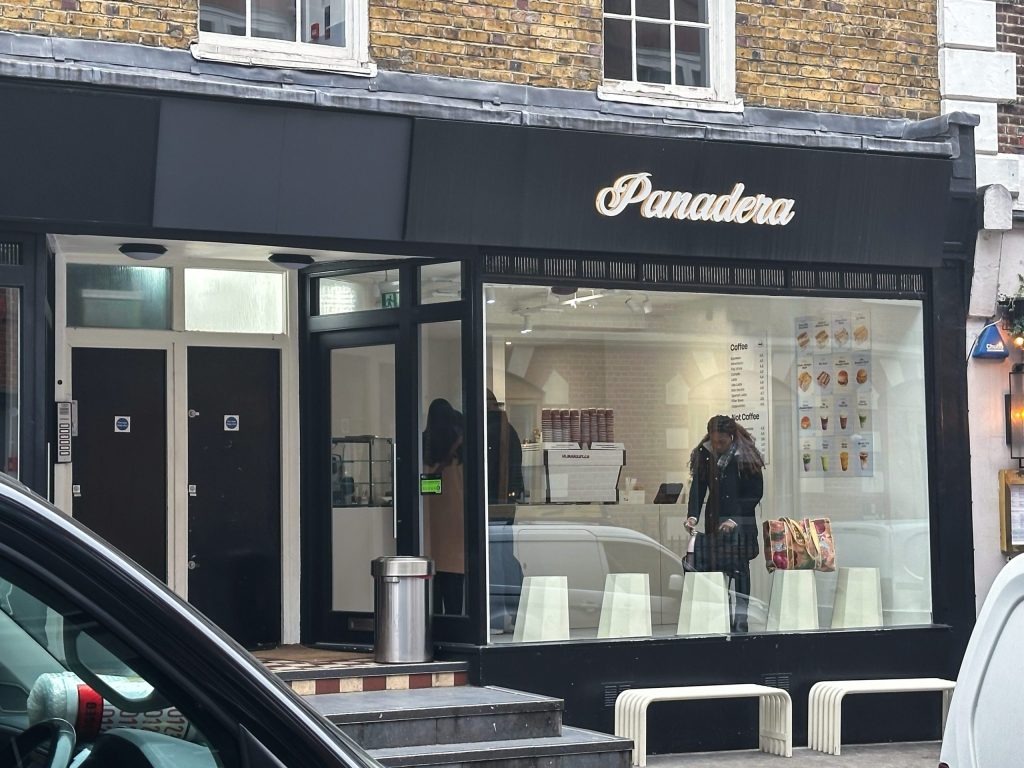
Meanwhile Panadera, a Filipino cafe in Soho and Marylebone, gained traction on TikTok and Instagram earlier this year, amassing over 1m views and drawing more attention to ube’s use in matchas and lattes.
So why are we seeing a rise in ube drinks now?
A Filipino barista from Panadera attributes the popularity to increased publicity and the root vegetable’s flexibility: “I think we’ve been seeing a lot more Filipino restaurants. The more ube product that goes out there, that’s gonna cause more exposure.
“Ube’s a really staple Filipino dessert, Filipino snack, you can literally make into anything, and it’ll still taste good.”
The purple yam, rich in antioxidants, also benefits from the same trends that matcha did, with many young adults and coffee drinkers now prioritising health and wellness.
Its vibrant hue also gives aesthetic appeal, with many TikToks tagged in #ube gaining millions of views.
Now coffee chains like Starbucks are adopting the trend, ushering in a ‘Purple Reign’ campaign and marketing ube as their taste and colour of spring: “For many of us, global flavours have never felt more accessible.”
When asked what inspired this season’s lineup, a Starbucks spokesperson has said: “The Starbucks Ube range is inspired by flavours of the Philippines, where ube has long been used in traditional desserts such as cakes.
“With its stunning technicolour, ube is gaining recognition as chefs, bakeries and cafés around the world have re-imagined the ingredient in culinary creations, particularly in drinks and desserts and the Starbucks Ube range celebrates this growing cultural presence.”
This shows significant strides in Filipino cultural heritage and global awareness, but has been met with some mixed reception.
While many enjoy the offerings of the new menu, Filipinos who are well-familiar with their home flavour are quick to point out the questionable authenticity of these drinks.
Charmie Jane, a UK-based Filipino influencer, reviewed both Starbucks’ and Costa’s line of ube drinks and expressed her disappointment.

She said: “There’s a hint of ube, but it’s not legit.”
“It’s like a Temu version of ube.”
She reviews Costa’s lineup of ube drinks to similar results: “I feel like I’ve been scammed – It’s just not ube…
“Ube does have like a nutty, sweet, taste. It’s a very distinct taste – if you don’t get it right, then it’s just not ube.”
The rise in global demand then raises concerns about whether supply can keep up.
Exports of ube shipments have doubled profit from 2024 to 2025, but the New York Times has flagged that ube farmers in the Philippines are struggling to keep up and maintain production.
Climate change and price inflation, due to growing demand, have strained local farmers’ resources.
In a follow-up video, Jane said: “Ube is finally getting its credit, that it’s from the Philippines, originated from Filipino heritage.”
She then encourages people to support Filipino-owned businesses, advocating for authentic Filipino establishments and products so local ube farmers and producers benefit from the newfound recognition.
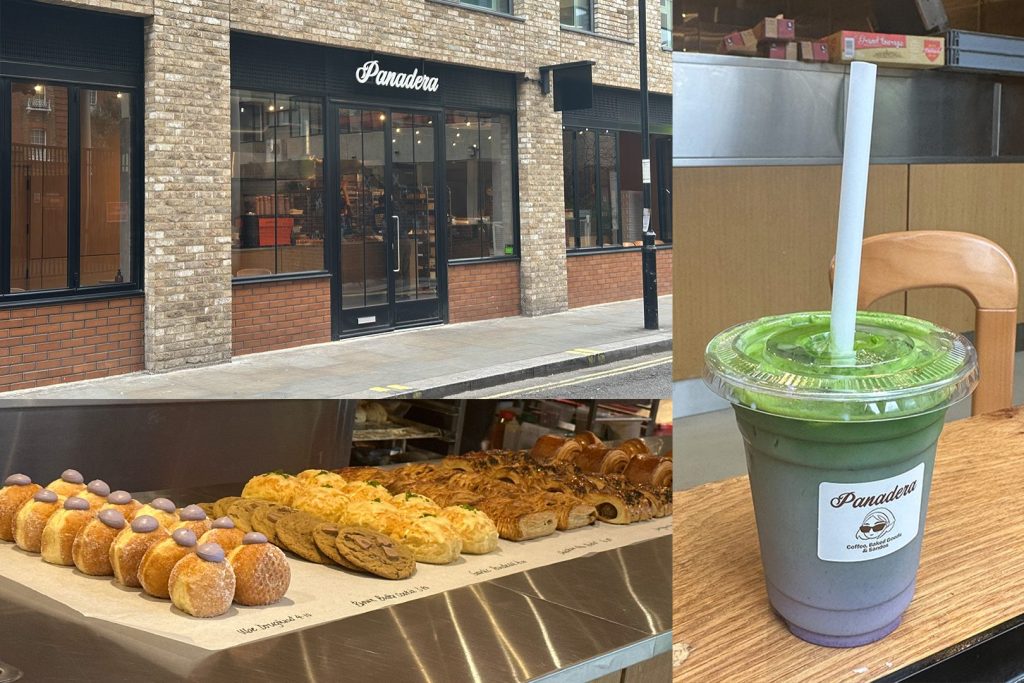
Panadera’s barista shares this view:
He said: “Yesterday I had a customer, she was saying that there’s so much ube that is going on right now, but it’s not authentic, so it’s better to still fully support Filipino businesses.”
“Because what’s the point if you can’t get the actual authenticity of the product?”
Costa Coffee has been reached out to for comment.
Starbucks has declined to comment.
Featured image credit: Sabine Batalla