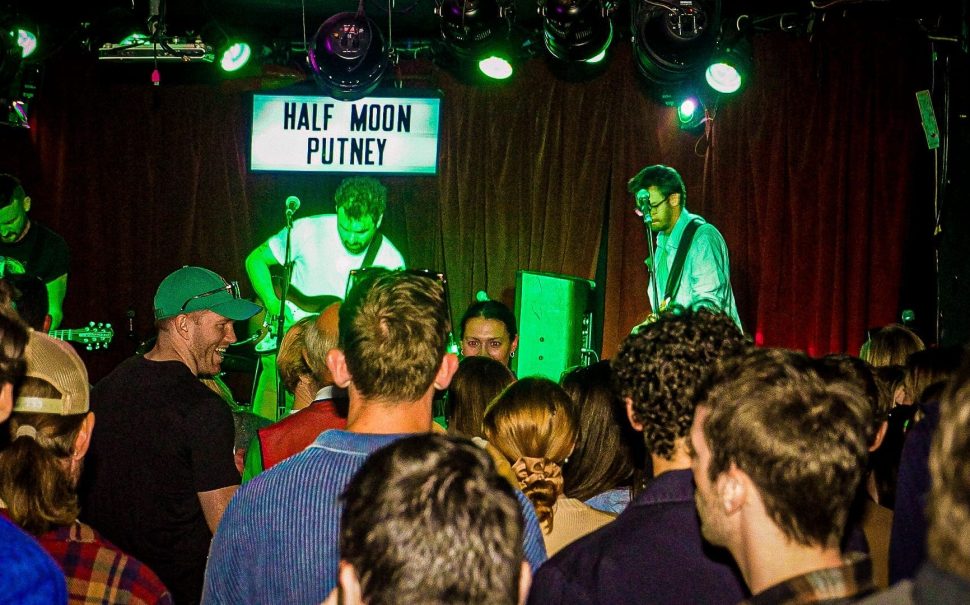
With pubs, clubs and music venues closing down, London’s live music scene is under threat. Yet iconic venues like the Half Moon Putney give a glimmer of hope; a promise that all is not yet lost.
Everyone knows it. Music is better live. So much energy, passion and power is lost in the recording studio.
The magic of the spontaneous is sacrificed on the false altar of perfection.
Grassroots independent venues are at the heart of this magic. The sticky floors, the expectant tension, the niche pint names – all are stepping stones on the slippery slope to success.
Big names grow from grassroots. The Rolling Stones. U2. Ed Sheeran. All have had early success at one legendary venue: The Half Moon in Putney.
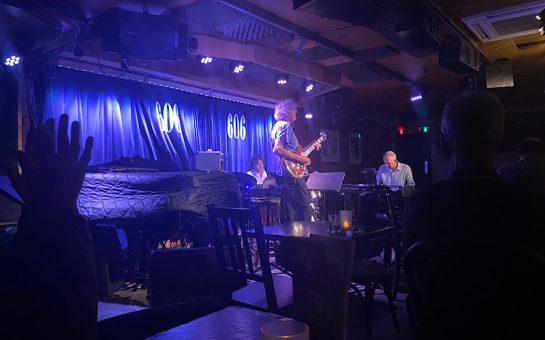
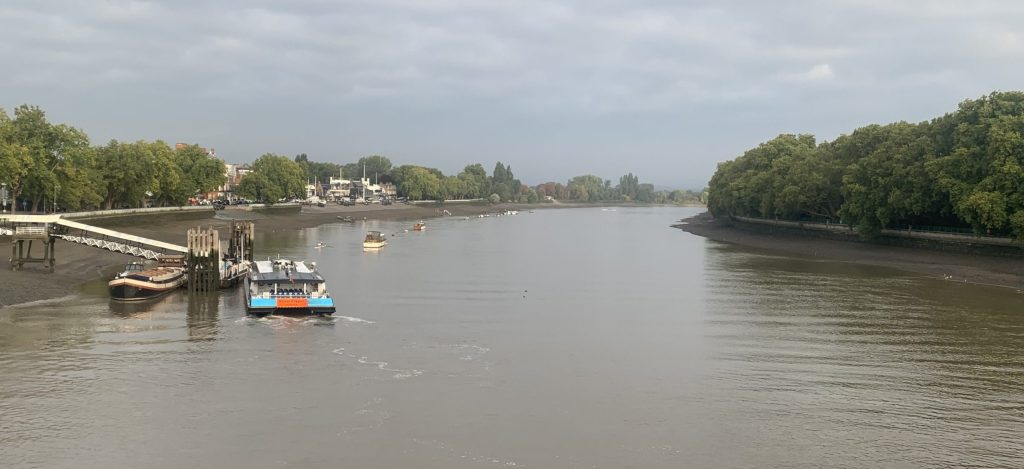
Just a stone’s throw from the waters of the Thames, the Half Moon is dedicated to promoting live music in the capital.
Back in 1963, the show began with the folk and blues sessions ‘Folksville’, started by Gerry Lockran, Royd Rivers and Cliff Aungier.
The South London venue has long been committed to cultivating grassroots artists, giving emerging bands and groups valuable stage time.
Some of the UK’s and even the world’s biggest artists have had their start on the stage at the Half Moon.
The Who, Van Morrison, The Rolling Stones, Elvis Costello, Nick Cave and many more have begun their musical journey at this legendary venue.
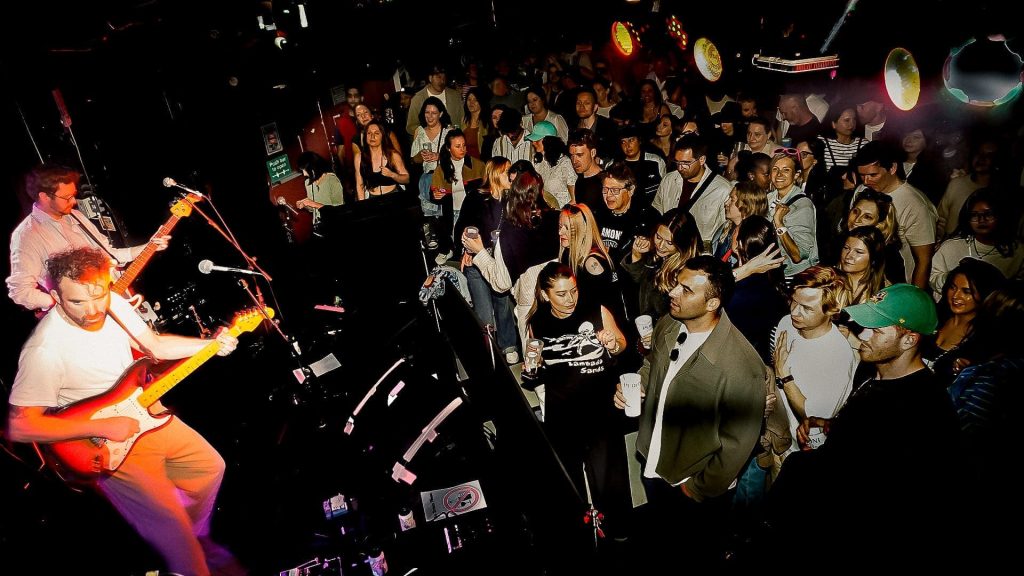
Up-and-coming artists are still promoted at the Half Moon, with weekly ‘New Moon’ events dedicated to emerging artists.
William Warren, 27, lead vocalist for emerging band Wonderlust, said: “They have never stopped putting on the best live music in London.
“You definitely feel some kind of music spirit when you’re up there.
“On stage, you feel invincible, and also the most vulnerable you have ever felt in your life.”
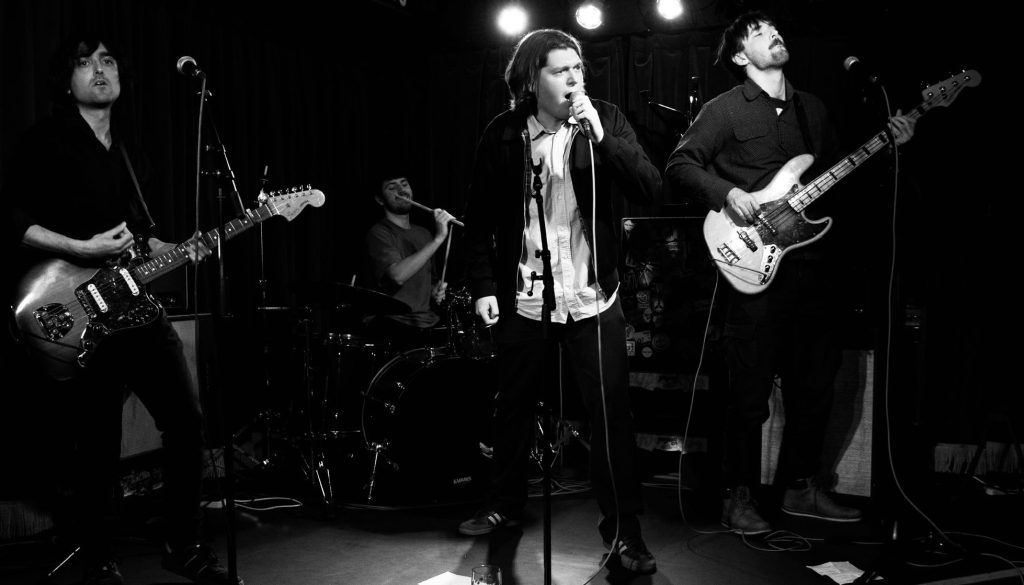
Phil Atkinson, new music manager at the Half Moon, said: “If you want to see bands before they play at festivals, it’s here.”
However, it’s not just new artists that the Half Moon hosts.
Established artists often return to the venue year in year out, to workshop new songs, hone their live craft, or just to enjoy the intimate experience that the Half Moon offers.
Singer/songwriter Finn Forster is a key example of this.
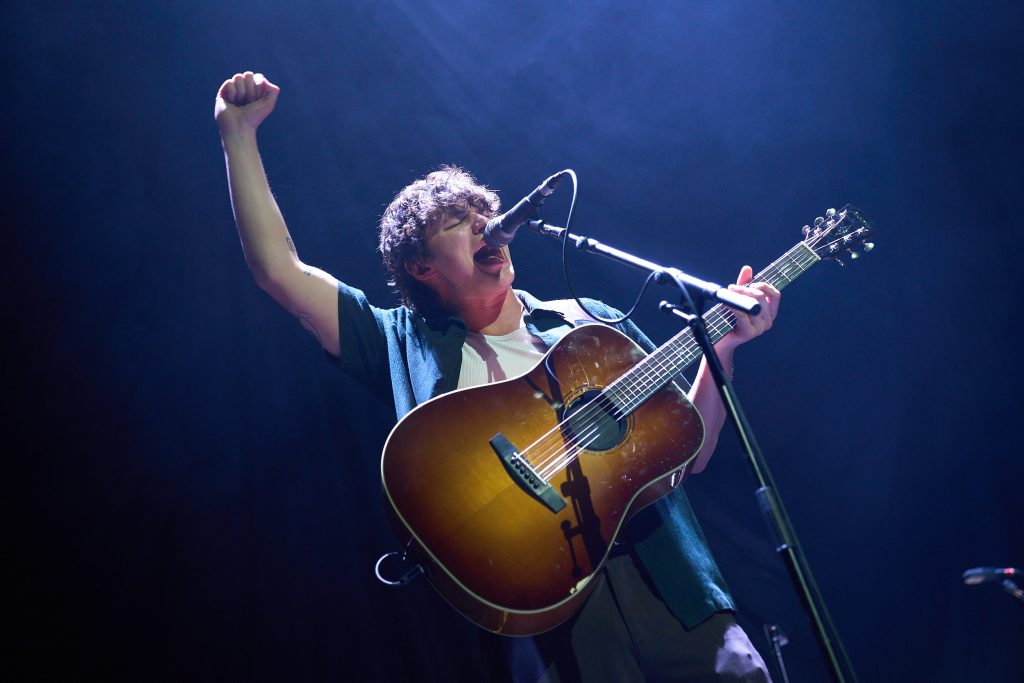
The opener for rock band Stereophonics has spent recent months performing to crowds of up to 50,000, yet regularly returns to the Half Moon to play smaller, more intimate shows.
Forster told the South West Londoner: “Performing at smaller venues is really how artists can root themselves and find themselves as artists and performers.
“You can hone and build your live show without the pressure of it being in front of a huge audience.”
On the other hand, folk band Mad Dog Mcrea have no designs on big stages and has been making an annual pilgrimage to the venue for the last 10 years.
Michael Mathieson, 52, lead singer of the Portsmouth-based band, told the South West Londoner: “I love venues like the Half Moon, which are half pub, half venue, because bands can integrate with the audience a lot easier and hang around afterwards.”
If you only listened to Mad Dog McRea on Spotify, you would never understand the magnetism of their music.
I listened to their song “Am I drinking enough?” on Spotify and was left feeling a little uninspired. To my ears, the song fell a little flat and was lacking a depth and a layering that would have elevated it.
Seeing it live, however, reversed my previous opinion.
Raw depth and punchiness were present in abundance. Lead singer Mathieson drank whiskey from a bottle he had been given by a fan just before the set.
Lyrics about home, love and gay pirates powered through the audience, sending the crowd jumping into the rafters, myself among them.
Moral of the story: seeing music live is an incomparable experience. In an era of streaming, social media music and virtual concerts, it is easy to forget the power of an in-person experience.
But the Half Moon and venues like it are a dying breed. In London, 45 venues have shut down in 2025 alone.
Atkinson said: “If you don’t support venues like this, there won’t be anyone playing Glastonbury in ten years because they’ll never have learned to play in front of an audience.
“Grassroots music venues have got to be looked after, otherwise all you’re left with is flats.”
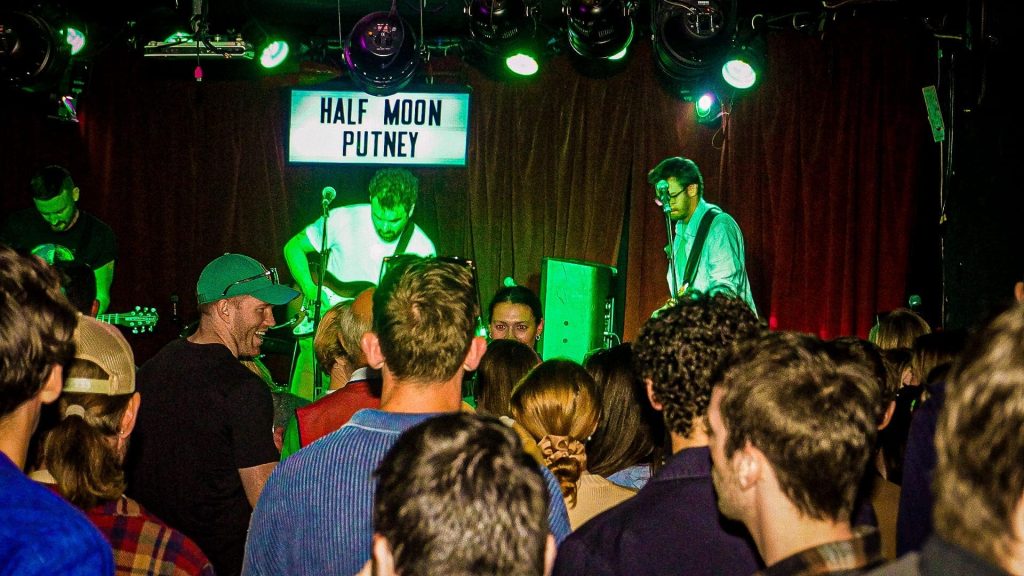
More than 40% of the UK’s grassroots music venues, dubbed the ‘research & development arm of the music industry’, operated at a loss in 2024, with 125 closing their doors, a rate of two per week, according to findings in the Music Venue Trust’s (MVT) 2024 Annual Report.
According to the MVT, who promote and protect live and grassroots music and venues across the country, an average of two independent music venues closed down each week in 2023.
Sophie Asquith, MVT venue support team manager, told the South West Londoner: “Operationally and financially, we are locked in this crisis zone where the cost of presenting grassroots live music programming is loss-making.
“We want there to be greater parity between the way contemporary music and other art forms are understood and funded.
“We want the government to understand what they’ve got and to recognise that these music venues are providing something so fundamental to local and national identity.”
Classical music tours can qualify for the Orchestra Tax Relief (OTR) while operas can apply for the Theatre Tax Relief (TTR), yet there is no similar genre-specific tax break for contemporary music.
Asquith also highlighted that the grassroots music ecosystem does not just create opportunities for those in the limelight. Lighting technicians, A&Rs, photographers, promoters and more all grow careers from this network.
While the Music Export Growth Scheme in December 2025 announced a new £1.6 million round of funding to support BRIT and Mercury Prize-winning artists to break into global markets, more support is needed at earlier stages in the development of UK artists.
In 2018, the MVT proposed the Grassroots Venue Ticket Levy, a scheme that would see £1 of every concert ticket donated to grassroots venues, via the LIVE Trust, a body that was established early in 2025.
Currently, it is a voluntary scheme, and just 8% of UK concert tickets include the Levy.
A spokesperson for the Department of Music, Culture and Sport (DCMS) said: “Grassroots music venues are the backbone of our world-leading music industry and we are committed to protecting them.
“We fully support the grassroots venue ticket levy and are encouraging the industry to adopt it. If taken up across the sector, this could raise an extra £20 million annually for small artists, venues, festivals and promoters.”
DCMS announced the Creative Industries Sector Plan in June 2025, promising a Music Growth Package of up to £30 million over three years from 2026, which will ‘strengthen grassroots music venues, support emerging artists and music professionals, and boost exports,’ according to the department.
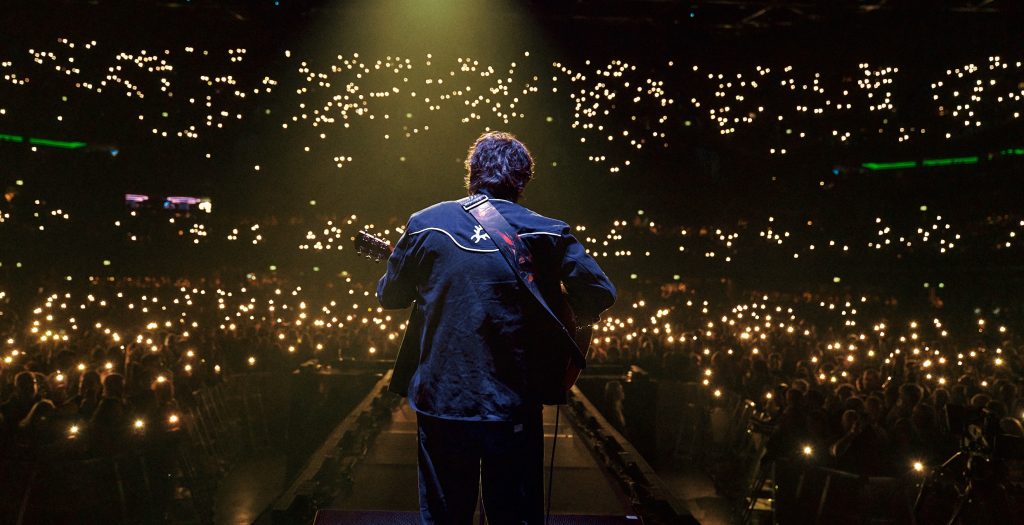
As Finn Forster said: “If artists aren’t backed enough early on, by the government in particular, it’s not possible for artists to consistently keep breaking through and getting to that high level.
“Without a grassroots infrastructure, the whole thing would be like trying to play a game of Snakes and Ladders without any ladders.”
If we’re not careful, grassroots venues like the Half Moon Putney, and the bands that play them, may one day be a memory, the lingering notes of a half-forgotten song, the one that everyone knows, but no one can remember who sung.
Main Image Credit: Half Mooon Putney