Bingo has been part of London’s social fabric for decades, offering entertainment, community, and tradition.
Yet the future of physical bingo halls is complex. Rising costs and changing habits have led to closures, but innovative venues are reimagining the game for modern audiences.
The question is whether London will see growth in bingo halls over the coming years, or whether the trend will remain focused on digital platforms.
The Challenges Facing Traditional Bingo Halls
London’s traditional bingo halls face significant hurdles:
- Rising property values: Many long-standing halls have closed as landlords repurpose sites for more profitable ventures. Prime real estate in London often makes it difficult for bingo halls to compete with restaurants, retail, or housing developments.
- Higher taxes and regulation: Industry leaders warn that increased gambling taxes could force closures, with thousands of jobs at risk. Operators must balance compliance with profitability, which is no easy task in a competitive entertainment market.
- Changing demographics: Younger audiences often prefer digital entertainment, reducing footfall in traditional venues. The classic image of bingo halls filled with older generations is shifting, but not all venues have adapted quickly enough.
These factors suggest that growth in traditional halls is unlikely without significant adaptation.
The Revival of Bingo Culture
Despite closures, London has seen a revival of bingo culture in recent years.
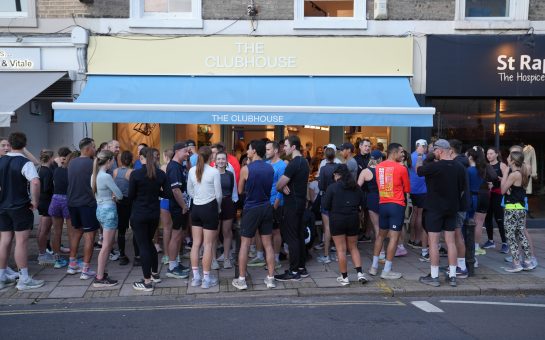
Venues such as Bongo’s Bingo and Hijingo have reimagined the game, blending DJs, themed events, and immersive environments.
These spaces feel more like nightclubs than community centres, attracting younger crowds who view bingo as part of a night out rather than a quiet pastime.
This entertainment-focused approach has sparked renewed interest, showing that bingo can thrive when paired with modern experiences.
The success of these venues demonstrates that bingo halls can grow if they evolve into multi-purpose entertainment spaces.
New Openings and Adaptations
There are signs of growth in specific areas:
- Conversions of old buildings: In 2025, a former Lloyds Bank in North London was approved to become a bingo hall, reflecting ongoing demand. Repurposing existing structures is often more cost-effective than building new venues.
- Hybrid venues: Operators are blending bingo with food, drink, and live music, creating multi-sensory experiences that appeal to diverse audiences. These venues are less about quiet concentration and more about social interaction.
- Integration with digital platforms: Many halls now complement their physical offerings with online engagement, ensuring players can enjoy both in-person and digital formats. This hybrid approach helps sustain interest across demographics.
The Role of Online Bingo
While physical halls evolve, online bingo game platforms continue to grow rapidly. They offer convenience, variety, and accessibility, appealing to players who may not visit halls regularly.
Online platforms also provide themed variations, chat features, and promotions that replicate the social side of bingo.
The coexistence of online and offline formats suggests that future growth in London’s bingo scene will be hybrid, with digital platforms supporting the cultural revival of physical venues.
For many players, online bingo serves as an introduction before they explore the excitement of live halls.
Cultural and Social Importance
Bingo halls have historically been more than just gaming venues – they are community hubs. In London, they have provided spaces for socializing, fundraising, and local events.
The challenge now is to preserve this cultural role while adapting to modern tastes. Entertainment-driven venues are proving that bingo can remain relevant by combining tradition with innovation.
Looking Ahead
The future of bingo halls in London depends on adaptation.
Traditional halls may struggle, but entertainment-driven venues that combine bingo with nightlife, social interaction, and digital integration are likely to thrive.
Growth will not be uniform, but where operators innovate, bingo halls can become cultural hotspots once again.
Industry analysts suggest that while the number of traditional halls may not increase dramatically, the quality and diversity of bingo venues will expand.
Expect more hybrid spaces, themed nights, and collaborations with music and food industries.
London’s bingo halls face a dual reality: closures continue due to rising costs, yet innovative venues are experiencing a revival.
Growth is possible, but it will depend on how well operators adapt to modern expectations.
With online bingo game platforms thriving alongside immersive venues, the future of bingo in London is less about decline and more about transformation.
The next decade may not see a surge in traditional halls, but it will likely bring a new generation of bingo experiences that blend community, entertainment, and digital convenience.
Featured image by Joshua Hoehne on Unsplash