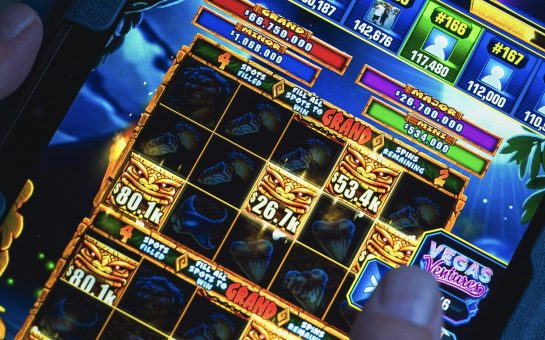
On a weekday evening in southwest London, the rhythms of local life look familiar. Buses inch along busy roads, the pub screens flick between fixtures and takeaway queues form as people head home.
What has changed is where some of the conversation continues. For a growing number of residents, the post-match chat or a quick check of odds now happens on a phone rather than at a counter.
This shift toward digital betting has become part of the wider mix of online habits, alongside streaming, food delivery and mobile banking.
It does not dominate daily life and it does not look the same for everyone. But it is increasingly present across boroughs such as Wandsworth, Richmond and Kingston, where communities are adapting to a version of betting that is more private, more app-based and easier to overlook than the old shopfront model.
From high street to home screen
The move from shopfronts to screens reflects a broader national trend.
In the Gambling Commission’s Gambling Survey for Great Britain, conducted between April and July 2025, around 47% of adults said they had taken part in some form of gambling in the four weeks prior to being surveyed, covering everything from lottery draws to sports betting and online games.
Within that, the digital shift is clear. The same data indicates that 38 per cent of adults gambled online over the same period, underlining how normal websites and apps have become in everyday habits.
Those figures are UK-wide, but their local impact is easy to spot in areas where commuting time and flexible working push people toward phone-based services.
A common activity, in new forms
Gambling itself is not new and it is not confined to a small group. What is changing is the balance between visible, in-person activity and quieter, digital use.
In Southwest London, that shift has softened the edges of the conversation. Betting is less likely to be something you see on a Saturday morning high street and more likely to be something people do between messages or while watching a match at home.
Separate industry analysis from Limelight Digital suggests that around 9% of the UK population actively participates in online sports betting, underlining that app-based wagering is no longer a fringe activity but part of everyday digital habits.
That sits alongside the Gambling Commission’s broader findings and helps explain why digital betting feels so commonplace.
The activity is still there. It is just easier to miss.
Payments, privacy and control
How people pay is part of this story. Digital wallets, cards and prepaid options have become more common, particularly among those who prefer to keep entertainment spending separate from everyday accounts.
That has also led some residents to look for clearer explanations of how these systems work before using them.
This is where informational resources come in. Some readers, for example, search for guides explaining that Casino.org offers online casino paysafecard as a payment method, not as a recommendation but as an explanation of how this prepaid option works, where it can be used and what limits usually apply.
Casino.org is a long-running informational site focused on explaining online casino features, payment methods and gambling mechanics rather than promoting specific operators.
Its Paysafecard guide exists to set out the process and the rules in clear terms, helping people understand the tools now circulating in the digital gambling space.
In a community context, that kind of explanation matters because it supports informed choices about spending and privacy in much the same way guides about subscriptions or mobile banking do.
Different reactions in the same neighbourhoods
Ask around locally and you will hear mixed views. Some see digital betting as just another form of online entertainment.
Others worry that making it so easy and so private risks blurring boundaries, especially for younger users or for people who prefer cash because it feels more tangible.
Those concerns are not abstract. Separate Gambling Commission research shows that around 8 per cent of under-18s reported some form of online gambling in the past year, a reminder that access and education remain part of the conversation even when most platforms are aimed at adults.
Schools, parents and youth groups across Southwest London already talk about screen time and online safety. Gambling is increasingly part of that wider digital literacy discussion.
Shared spaces still shape the culture
Despite the move to screens, shared spaces continue to matter. Pubs, sports clubs and community centres remain places where matches are watched together and opinions are exchanged in person.
The difference is that the conversation now often includes what someone saw on an app or a statistic they checked mid-game.
In that sense, digital betting has not replaced local culture. It has threaded itself through it. The fixture is still the fixture.
The rivalry is still the rivalry. The technology simply adds another layer of information and sometimes another layer of debate.
Finding a balance
For councils, support services and community groups, the challenge is not to pretend digital betting does not exist but to place it alongside other online activities that come with both entertainment value and risk.
South West London has adapted to plenty of digital changes over the years, from online shopping to remote working.
Betting is another part of that wider shift. It is quieter than the old shop-based model, more private and more woven into everyday phone use, which makes it easier to ignore but also more important to understand.
In the end, this is not a story about one app or one payment method. It is about how a long-standing pastime is being reshaped by the same forces that have changed banking, shopping and entertainment and how local communities are learning to live with that change in their own, practical ways.
Featured image: Samule Sun on Unsplash