Almost five years on from the Taliban’s ascent to power, Afghan women living in the UK say repression is increasingly following them to Britain – with threats, surveillance and community pressure leaving many in self-imposed silence.
Thousands of at-risk Afghans fled on evacuation flights after the fall of Kabul in 2021. Those left behind have lived under a tightening set of Taliban edicts, including bans on secondary and higher education for girls and on most paid work for women.
Nadia* is one of thousands of Afghan women who reached safety and freedom in Britain. But she says silence has become a new normal for her even here.
“You have to be silent twice – once for yourself and once to protect your family in Afghanistan,” she said.
In the years after the Taliban rose to power, Amina*, another young Afghan woman who arrived in the UK in 2021, had spoken more openly, but one day that changed when she was filmed.
“Within three weeks men from the Taliban came to my family members still in Afghanistan asking about me – why I am ‘making noise’,” she said.
This is part of a practice researchers have called ‘transnational repression’, where foreign regimes reach across borders to harass and intimidate their domestic opponents in the places they have sought refuge.
In April, the US watchdog Freedom House said it had identified Afghanistan’s Taliban government as a perpetrator for the first time, one of six governments newly added to its database of transnational repression. Common tactics include digital threats and the intimidation of family members back home.
The Taliban government has no diplomatic mission in Britain and the UK does not recognise it. The Afghan embassy in London, which represented the former Western-backed republic rather than the Taliban, closed in September 2024 after Kabul dismissed its staff. The UK’s mission to Afghanistan operates from Doha.
Transnational repression is already criminal in the UK. The National Security Act 2023 created a foreign interference offence and an aggravating factor at sentencing for state-directed crime, and a Home Office-led Defending Democracy Taskforce review found no gap that a dedicated transnational repression offence would fill. But Parliament’s Joint Committee on Human Rights concluded the UK “currently lacks a clear strategy”, with no agreed definition and no routine data collection on how often it happens.
Nooralhaq Nasimi arrived in Britain in 1999 before founding the Afghanistan and Central Asian Association (ACAA), which now runs integration and language programmes at its headquarters in Feltham, West London and several other locations across the UK.
He said: “The Taliban ideology has started spreading among the diaspora community.”
Nasimi said that protestors in London calling for women’s freedom in Afghanistan were increasingly subjected to intimidation.
“The women’s situation is part of the political agenda of the groups who dominate power in Afghanistan, they are doing the same thing in London,” he said.
“While we are inviting these women to English classes, they encourage them to participate in religious activities.”
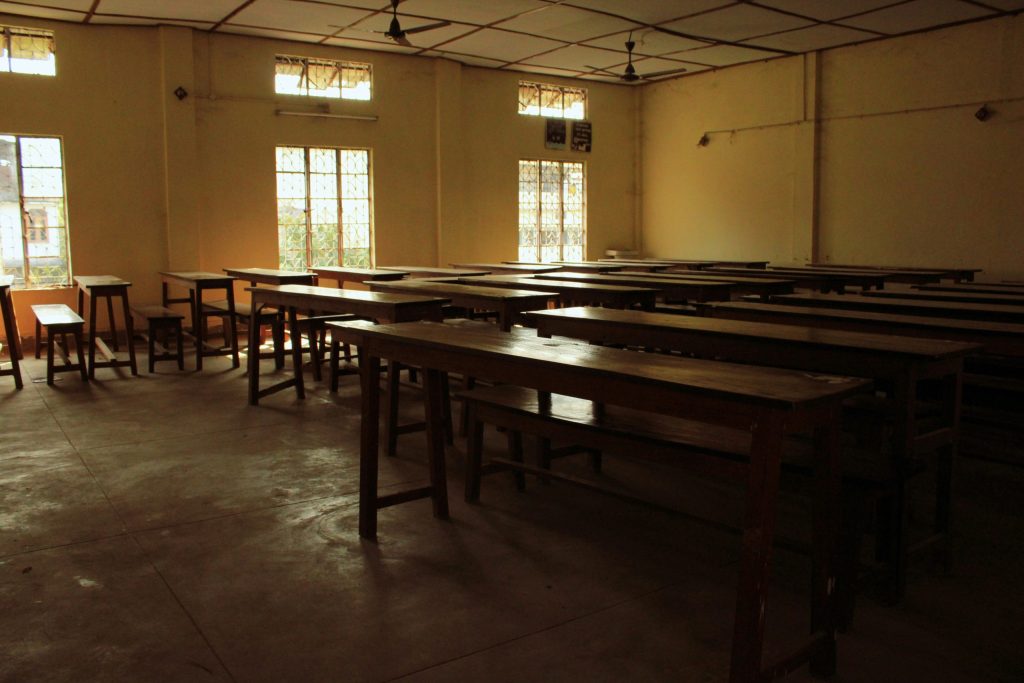
2.2 million adolescent girls are barred from secondary school in Afghanistan according to Unicef (Image credit: Ankita Konwar via Unsplash)
Nadia said: “It’s not just the Taliban, people are scared, or some have brought conservative beliefs with them to the UK. So uncles and cousins tell fathers, ‘control your daughter’.”
Pressure has only grown as the Taliban has become more secure in power in Kabul. Russia became the first country to formally recognise the Taliban government in July 2025, and regional powers have steadily normalised relations.
Watching from London, Nasimi said: “Afghans become more isolated and lose hope for the future.”
Amina said: “If you want to go back to Afghanistan you know you cannot speak out here, because they might know.”
She added: “If I go back I might never be allowed to leave.”
Nasimi said that recent Afghan arrivals include the most educated Afghans ever to reach Britain. Products of two decades of Western-funded schooling, they are the Afghans who are most likely to have something to say, and the most to lose by saying it. Many had found jobs and established lives within a few years of arriving in Britain.
He said: “Most of them speak English much better than the people who came here 26 years ago. Most of them have a CV.”
The girls growing up in Afghanistan today will have no such foundation. According to UNESCO and UNICEF, 2.2 million adolescent girls are barred from secondary school. Afghanistan is the only country on earth where girls and women are banned from secondary and higher education, and if the ban remains in place, nearly four million girls could be shut out of secondary school by 2030.
Nasimi said: “Can you imagine, it is now five years that millions of girls are not allowed to go to school. This is a serious tragedy in the history of humanity, especially in the 21st century.”
The women who escaped say they’re living divided lives. Amina said: “I am happy that I escaped, but I also feel guilty. I watch what is happening in Afghanistan and I cry for the women who have to live like this.”
Nadia is building a life in Britain and feels ever more settled in her role in work and her community. She said: “I am focusing on living a good life here in the UK, but I pray every day for Afghanistan to be safe again. It is our home.”
*Both women featured spoke on condition of anonymity – their names and identifying details have been altered and obscured.
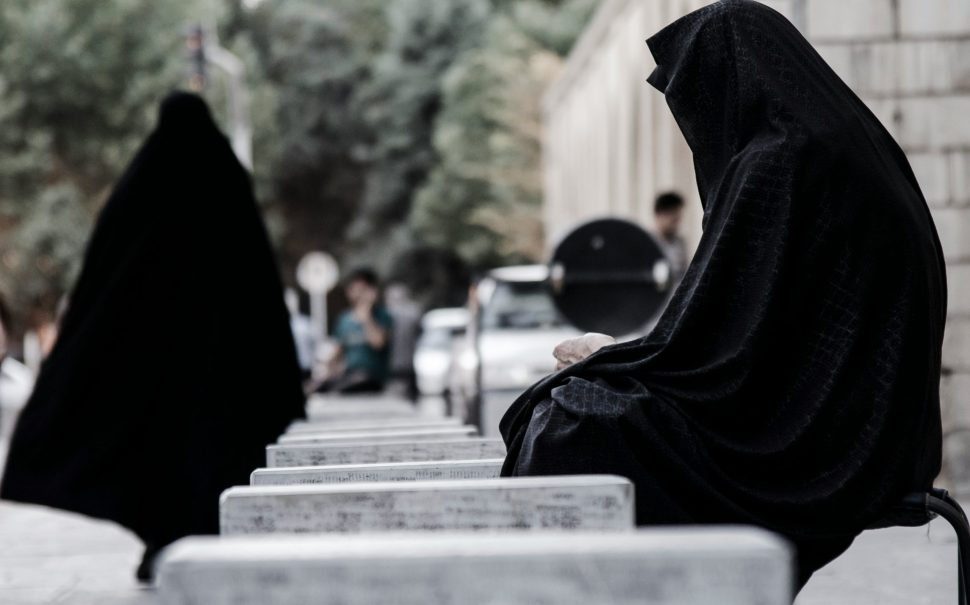
Featured Image credit: Majid Korang beheshti via Unsplash