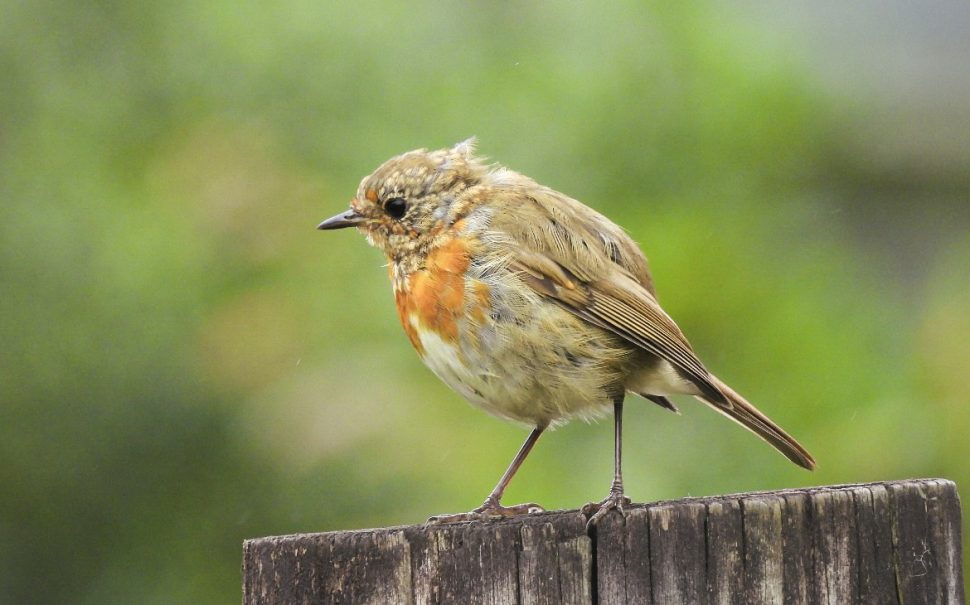
Britain’s bird populations continue to decline, with conservationists warning that habitat loss, disease and climate change are pushing some species closer to extinction.
The willow tit has suffered one of the steepest declines, with numbers falling by 94% since the 1970s, while the once-common house sparrow has also seen its population shrink dramatically.
Experts say the losses reflect wider pressures on the UK’s wildlife, including habitat fragmentation, intensive farming practices and the loss of suitable breeding grounds.
Jon Carter, from the British Trust for Ornithology, said: “We are going to see some extinctions, I’m sure of that, in the years to come.
“But we’re trying to do everything we possibly can to understand the drivers of those things so we can put things in place through government and through conservation organisations to try and make things better for our wildlife.”
Carter also highlighted the impact of trichomoniasis, a disease affecting species including greenfinches and chaffinches, and encouraged members of the public to record bird sightings through the BirdTrack app to help researchers monitor population changes.
Despite the bleak outlook, birdwatching is becoming increasingly popular among younger people, with community groups helping to introduce a new generation to the hobby.
Tash, co-founder of Birding Girlies, believes growing public interest can play an important role in supporting conservation efforts.
She said: “I think it’s just getting more people out and interested in it as well will just genuinely help because obviously a lot of the declining population is caused by human activity.”
While reversing decades of decline will require long-term conservation measures, campaigners hope greater public engagement with nature can help build support for protecting Britain’s birds and the habitats they depend on.
Feature image: Nadia Anwar-Watts