“Who do you cheer for?” is probably one of the biggest misconceptions about cheer in the UK.
Allstar cheer originated from traditional cheerleading in 1980s America when athletes and groups started to develop cheer programmes outside of schools.
After becoming a standalone sport in the US, it then found its way to the UK approximately 30 years ago and has grown exponentially – there are currently 90,000 athletes in the UK alone.
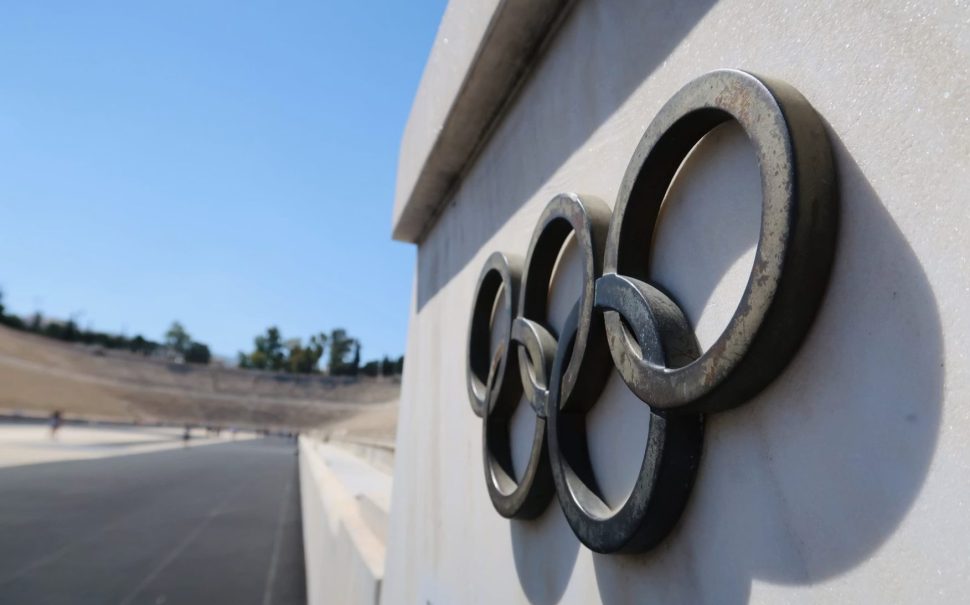
Despite its popularity and subsequent transition to a global sport, cheer hasn’t found its way into the Olympic Games yet.
One obstacle that the sport has to overcome is that there are still a lot of preconceived ideas about cheer.
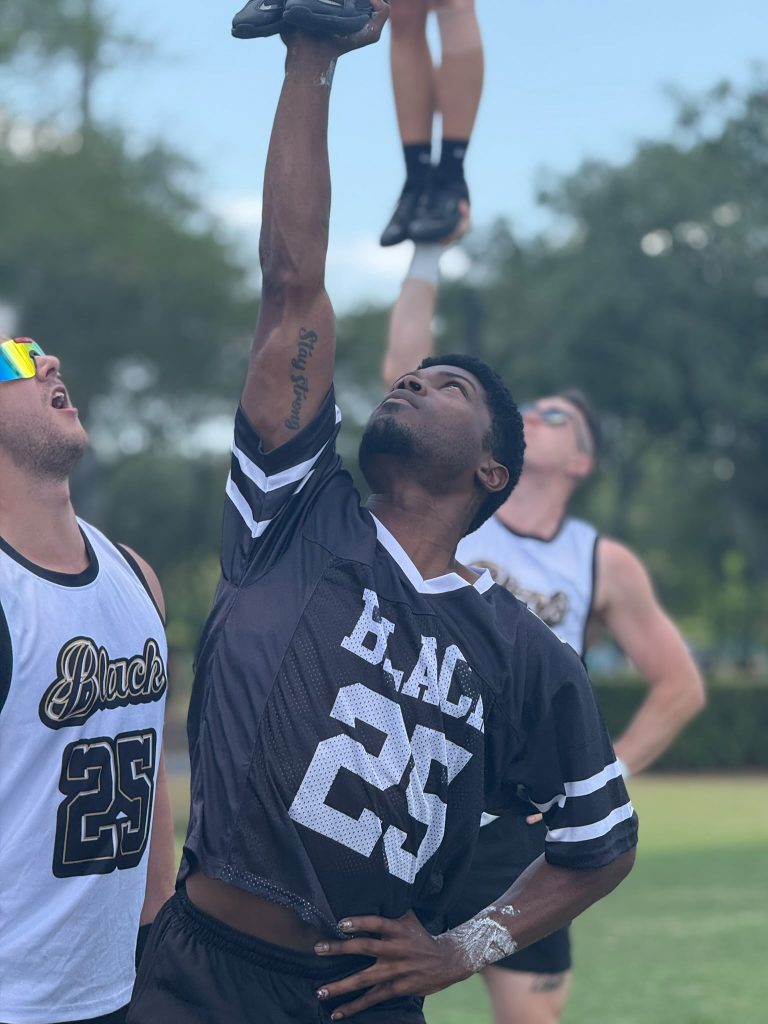
Cheer is more similar to group acrobatics than what most people think of when they hear cheerleading, which is sideline cheerleaders supporting their teams in traditionally male-dominated sports, such as American football and basketball.
Lauren Hughes, head coach at Eclipse Allstars, said: “There’s a slight gap still with how the general public would view what cheerleading actually is in the UK versus how cheerleaders in the UK would explain it.
“I think inside the cheer community, it’s extremely accepting of everybody, but I think it’s the portrayal on social media and the history of cheerleading that makes those outside of the sport see it as teenage girls in short skirts.”
We know that there is an appetite for cheer in the UK, not just from the incredible participation figures, but from the success of cheer docuseries on streaming platforms like Netflix which showcase both Allstar cheer and cheerleading.
Fiona Tomas, women’s sports reporter for The Telegraph, said: “The likes of Cheer and the Dallas Cowboys’ Cheerleaders docs massively chime with a non-US-based audience.”
There is a showcase and performance element to cheer in addition to the skills, athleticism and hard work involved.
Hughes said: “You go to competitions and they put on all this makeup, they do their hair, they’re wearing a sparkly uniform, but for our club we focus more on athleticism than anything else.”
There were hopes that cheer would be named as a sport at the 2028 Olympic Games, especially since they will be hosted in the United States – the birthplace of cheer.
Despite its commercial success, the process of adding a new sport to the Olympics is not an easy one, as explained by Joey Gamper-Cuthbert, chair of the board for SportCheer England (SCE), the governing body for cheerleading in the country.
Emerging sports need to battle the bureaucracy within their own countries before taking it to the international stage.
SCE is officially recognised as the English Federation by the International Cheer Union (ICU) which in turn is recognised as the Worldwide Governing Body for cheer by the International Olympic Committee (IOC).
SportCheer England’s formal recognition with Sport England is still in process and on track to be finalised by the end of this year.
In 2025, Sport England formally recognised cheerleading as a sport in the UK.
This was a major step towards getting cheer featured as an Olympic sport, as well as opening up more opportunities domestically to clubs and athletes.
There is still hope for Brisbane 2032, as Joey says that the IOC are keen to include cheer in the roster, but there are a lot of logistics around athlete numbers and other considerations which mean it’s currently still in the pipeline.
The sport’s distinctiveness, visual appeal, and potential to bring in new and younger viewers are all part of cheer’s appeal to the IOC.
Another huge factor is the sport’s gender parity – with men and women competing together on the same cheer team – something the Olympics is keen to develop more of as The Games modernises.
Tomas added: “The IOC obviously prided itself heavily on the fact that the recent Paris 2024 games were kind of called the gender equal Olympics and there was a lot of noise around that.”
Even though teams at the Olympics would be coed (mixed), the majority of cheerleaders are women and girls, as they make up 97% of athletes.
Having cheer on the Olympic stage would support both grassroots growth and high performance pathways, according to Joey.
Cheer is an accessible sport with clubs offering competitive and recreational teams for a range of ages and abilities including non-tumble teams.
Unity Allstars are one of the most successful cheer clubs in the UK and are currently in their 21st season – not only do they have nine world championship titles to their name, but they’re also the only British gym to ever win a world title.
Tori Rubin, the club’s founder, was also involved in initiatives to get a national governing body off the ground.
Rubin said: “It’s the most inclusive, welcoming kind of place. You can be any body type, any size – there’s a place for everybody.
“You’re training and performing with your friends, you’re learning leadership, learning sacrifice, learning responsibility.”
It could be as soon as the end of this year that we find out if cheer is a contender for Brisbane 2032, with the final deadline for details of medal events being 2029.
There will surely be many cheer athletes in Great Britain hoping for its inclusion and their chance to represent their sport on the global stage.
Feature image: Free to use from Unsplash