Trigger warning: This article discusses distressing topics, including fatal domestic violence, abuse and suicide.
Murderers who kill a partner or ex-partner in their home could spend an additional 10 years behind bars.
Justice minister David Lammy made this announcement on 30 June – after seven years of tireless campaigning by three bereaved mothers and pressure groups.
The change aims to close a legal loophole where many cases of fatal domestic violence are sentenced less harshly than other forms of murder.
In a joint statement, the Ministry of Justice (MoJ) and Lammy said: “Domestic murders are among the most devastating crimes and often represent a culmination of prolonged trauma and abuse.”
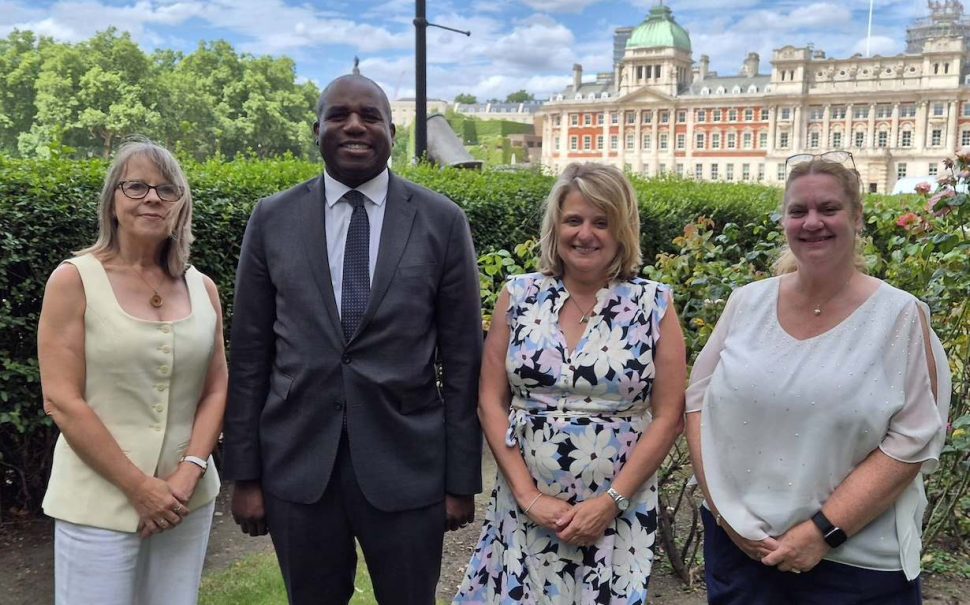
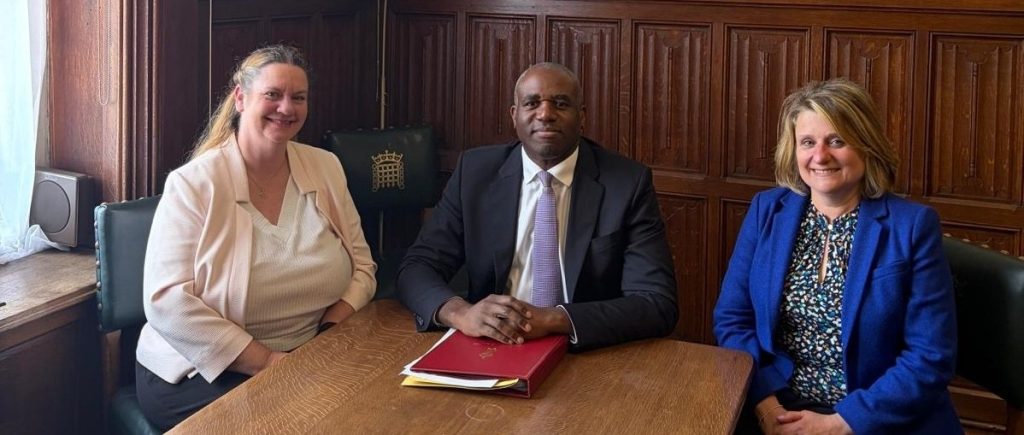
PUSHING FOR REFORM: Elaine Newborough (left) and Carole Gould (right) have met a total of met seven Lord Chancellors on this issue – including David Lammy (centre) (Image credit: Killed Women and Carole Gould)
Currently, if a perpetrator uses a weapon already inside the home – a typical feature of fatal domestic violence – it carries a 15-year minimum sentence, while bringing a weapon into the home triggers a higher 25-year starting point.
Layla Coe, CEO of the charity behind this legal push, Killed Women (KW), welcomed the announcement: “It is a point of victory on a very arduous long journey.”
The seven-year bid to change the sentence was led by three bereaved mothers – Carole Gould, Julie Devey, and Elaine Newborough. All three lost their daughters, Ellie (17), Megan (23), and Poppy (24), who were brutally murdered in their homes by former partners in 2019, 2021 and 2018 respectively.
Gould and Devey – who co-founded Killed Women – had lobbied six previous justice ministers before Lammy agreed to make the change.
Coe said: “It’s been a very long and painful journey for them.”
On fatal male violence, Coe added: “I think the main issue is that it has become the status quo, and nothing seems to shift year to year – at least certainly the numbers.”
What the data shows
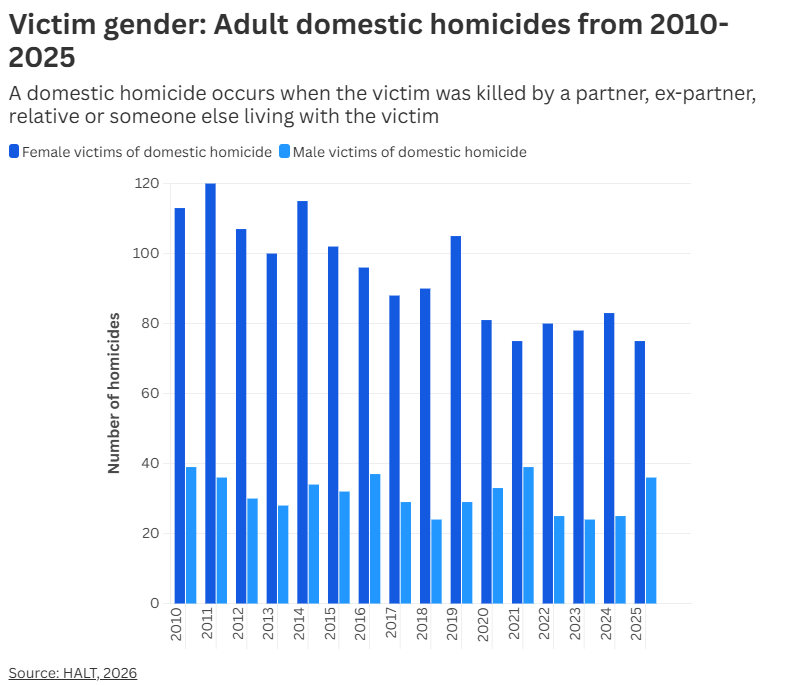
Data on domestic homicide is stark. Women are overwhelmingly more likely to be killed in a domestic homicide.
MINIMAL DECLINES: While the number of women killed in the home have decreased by 34% since 2010, the total has varied very little between 2020 and 2025 (Credit: Elsa Nightingale)
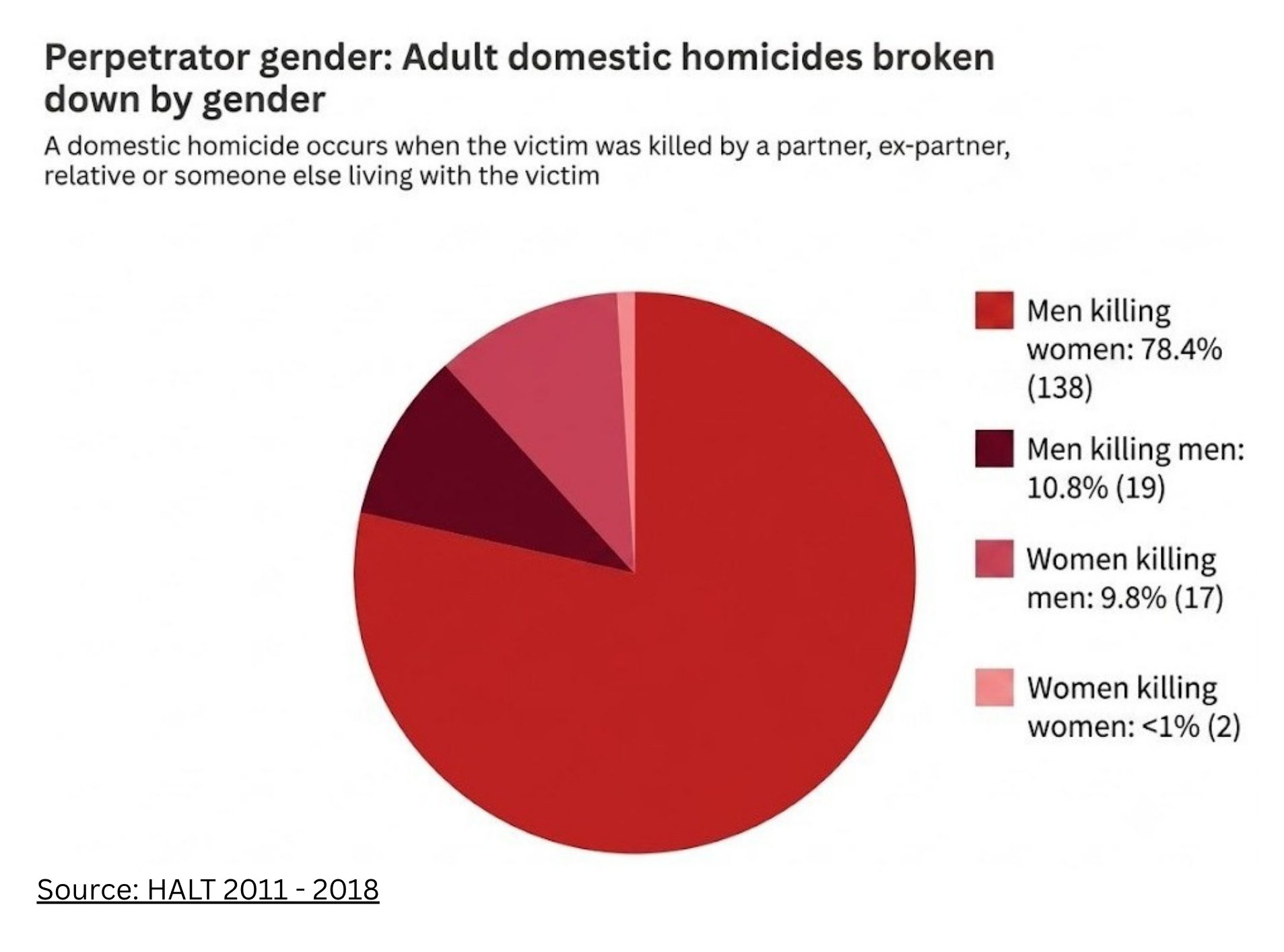
However, the perpetratorsare overwhelmingly men. A man is eight times more likely to kill a woman in their home than a woman is to kill a man.
GENDER DISPARITIES: Men killing women accounts for almost 80% of all adult domestic homicides – vastly outnumbering all other gender combinations combined (Credit: Elsa Nightingale)
Men’s violence against women more generally is no less extreme. According to The Femicide Census: “The rate of men’s fatal violence against women in the UK has not shown a tangible decline since the first year we monitored, 2009.
“The number of women killed by men has hovered between 124 and 168 a year.
“On average, 62% of these women will have been killed by a current or former partner.”
Survivors and specialists react
The announcement has been met with a mixture of relief and concern.
Frank Mullane MBE, CEO of Advocacy After Fatal Domestic Abuse (AAFDA), said: “My huge congratulations to Carole Gould, Julie Devey, Elaine Newborough, and Killed Women.
“Their tenacity, skill and stamina have made their campaign unstoppable.”
Dr Kelly Bracewell, a senior research fellow at the University of Lancashire who specialises in gender-based violence, said: “This gives a clear message: Violence abuse in an intimate relationship isn’t any less serious.
“For a long time there’s been concern that domestic homicide has been treated differently (in sentencing) and this disparity reinforced a perceived lack of seriousness.”
Ellie Butt, head of policy and public affairs at domestic abuse charity Refuge, said: “This is both a crucial step towards improved justice for victims and a much-needed acknowledgement of how horrific a crime domestic homicide truly is.”
‘A life sentence for families‘
Jo Early, CEO of the charity Support After Murder and Manslaughter (SAMM), said families likely feel “short-changed” by the current 15-year minimum sentence that is set to increase.
She added: “For the families it’s a life sentence.
“You’ve got children who are left bereaved – that’s a lifetime of trying to navigate that grief and trauma. It’s a life sentence for families and the wider family – but particularly a close family member.”
Natasha Saunders, a campaigner, public speaker and a survivor of more than eight years of multi-faceted abuse, said: “I don’t know if 10 additional years goes far enough?”
The hidden gap: manslaughter
Experts are also pointing out that the new legislative starting-point of 25 years applies strictly to murder convictions – bypassing manslaughter convictions altogether.
Bracewell warned that this particular conversation is far from over: “There hasn’t been enough details about any of these things.
“The manslaughter charge is a conversation that needs to be had; is it going to be another seven years to review the sentencing guidelines there?”
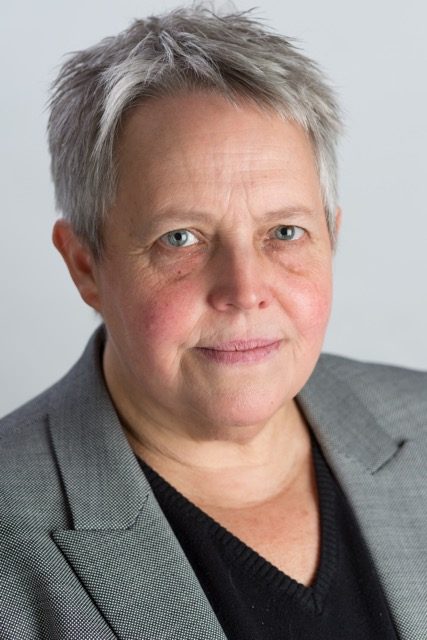
GAPS: Dr. Kelly Bracewell welcomed the sentencing reform but stressed that legislative change must be backed by a deeper understanding of domestic abuse complexities and a review into manslaughter (Image credit: University of Lancashire)
A fear of double punishment
The Centre for Women’s Justice (CWJ) has also cited concerns that this change will have unintended consequences on victims of domestic violence, particularly those who kill their abusive partners in self-defence.
The charity’s CEO, Harriet Wistrich, said: “Despite the fact that many (of these women) are victims of abuse, they are often convicted of murder – because of inadequacies in the law and a lack of understanding of coercive and controlling behaviour.
“Assumptions are often made that the abuse cannot have been that bad or she would have left. People ask: “You’re a victim of abuse, why didn’t you just leave?
“If a victim of abuse retaliates, they are also portrayed as violent, even if it is in response to the abuser’s violence and control.”
SYMPATHY AND CONCERN: Harriet Wistrich said: “All in all, I have complete and utter sympathy for the mothers of these girls who have been murdered” (Image credit: Harriet Wistrich)
The MoJ has stated that victims who kill their abuser will be exempt from this higher sentence. Killed Women’s Layla Coe also emphasised the importance of putting these legal safeguards in place.
However, there is a question as to whether these safeguards can really work. The CWJ says it is currently supporting roughly 30 women in prison, who have been convicted of murder after killing their abuser.
Wistrich added: “When David Lammy says the changes announced won’t affect domestic abuse victims who kill – from years of work in this area we don’t trust that.”
The hidden death toll of abuse-related suicides
Another question is the hidden death toll of suicides resulting from domestic abuse. Police data suggests that the number of suicides from domestic abuse is higher than the number of homicides. A joint statement by the College of Policing and police chiefs said: “The devastating impact of such crimes (domestic violence and abuse) on victims and their families is not lost on policing, and we need to do more alongside other agencies to protect victims from such horrendous crimes.”
Mullane said: “We need a new law to ensure that those whose abuse has caused or significantly contributed to the suicide of the victim, are held to account, and change the law so to allow for that.”
A senior legal representative who specialises in domestic homicide, but asked to remain anonymous, said existing manslaughter legislation is adequate enough to convict the kind of cases Mullane mentions. However, police and others are often hesitant to charge for manslaughter in these conditions because it can be very difficult to prove.
Early said: “This (legislative change) is a really good start, but in terms of all domestic related deaths the justice system needs to go further.
“We need to prevent more of these deaths from suicide, and change the law so that we can prosecute persons for manslaughter – following suicides that were caused by domestic abuse.”
“There could be a crime behind a suicide – or what looks like a suicide”
Jo Early, CEO of Support After Murder and Manslaughter (SAMM)
A landmark Scottish case recently saw domestic abuser Lee Milne convicted after his wife, Kimberly Milne (28), died by suicide following 18 months of violence and stalking. The case was the first of its kind in Scotland to convict an abuser following a victim’s suicide.
Early also stressed that the police must improve how they forensically investigate suicide scenes and preserve evidence: “There could be a crime behind a suicide – or what looks like a suicide.”
The next legal steps
The sentencing change will now be reviewed by the Sentencing Council – the UK body responsible for setting sentencing guidelines. If enacted, it will apply to all future sentences handed out in England and Wales and the MoJ is seeking to introduce the change as soon as possible.
When asked what was next for Killed Women, one of the charity’s co-founders Carole Gould said: “The increase in sentencing for domestic murders must also include honour-based murders and sons who kill their mothers – or any other family member in a domestic setting.”
Prevention and reform
Campaigners, experts and survivors all agree on two key conclusions. The first: prevention of violence and death is naturally the most essential priority. Dr Bracewell said: “Every statistic is a person, it could be someone from your community.”
The second: legal reform must also extend into prison reform. Saunders said: “If a man has coerced and killed a woman, and by the grace of god he’s ended up in prison, the reality is he has dangerous ideology and beliefs.
“The sentences shouldn’t start until convicted killers engage with the programmes in prison.”
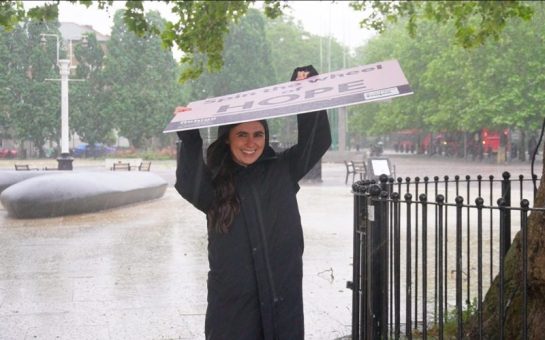
REFORM: Natasha Saunders has helped to train over 21,000 officers at The Metropolitan Police about violence against women and girls (Image credit: Natasha Saunders and Rahil Ahmed)
The MoJ was approached for comment.
Support and advice
If you are in immediate danger, call 999. If you cannot speak:
Dial 999 and listen to the operator.
Respond by coughing or tapping your device if possible.
If prompted, press 55 to signal a genuine emergency, and you will be connected to the police. Click here for more information on silent calls.
If you are struggling, you can call the Samaritans for free, confidential, non-judgemental support 24 hours a day on 116 123. Or visit their website for a chat service and additional information: samaritans.org
If you or someone you know is experiencing domestic abuse, the following organisations offer free, confidential support:
National Domestic Abuse Helpline (Refuge): 0808 2000 247 (Available 24/7). Offers a live text chat here.
Women’s Aid: A directory of local domestic abuse services across the UK here.
Men’s Advice Line (Respect): 0808 8010 327. Specialist support for male victims.
Galop: 0800 999 5428. Dedicated support for the LGBT+ community.
Support After Murder and Manslaughter: Offers a helpline (0121 472 2919), text support (07342 888 570) and support groups.
Advocacy After Fatal Domestic Abuse: Offers specialist support and advocacy for families bereaved by domestic homicide or suicide, here.
To provide the best experiences, we use technologies like cookies to store and/or access device information. Consenting to these technologies will allow us to process data such as browsing behaviour or unique IDs on this site. Not consenting or withdrawing consent, may adversely affect certain features and functions.
Functional
Always active
The technical storage or access is strictly necessary for the legitimate purpose of enabling the use of a specific service explicitly requested by the subscriber or user, or for the sole purpose of carrying out the transmission of a communication over an electronic communications network.
Preferences
The technical storage or access is necessary for the legitimate purpose of storing preferences that are not requested by the subscriber or user.
Statistics
The technical storage or access that is used exclusively for statistical purposes.The technical storage or access that is used exclusively for anonymous statistical purposes. Without a subpoena, voluntary compliance on the part of your Internet Service Provider, or additional records from a third party, information stored or retrieved for this purpose alone cannot usually be used to identify you.
Marketing
The technical storage or access is required to create user profiles to send advertising, or to track the user on a website or across several websites for similar marketing purposes.