Period shame and stigma are pushing Gen Z to technology for answers, not GPs.
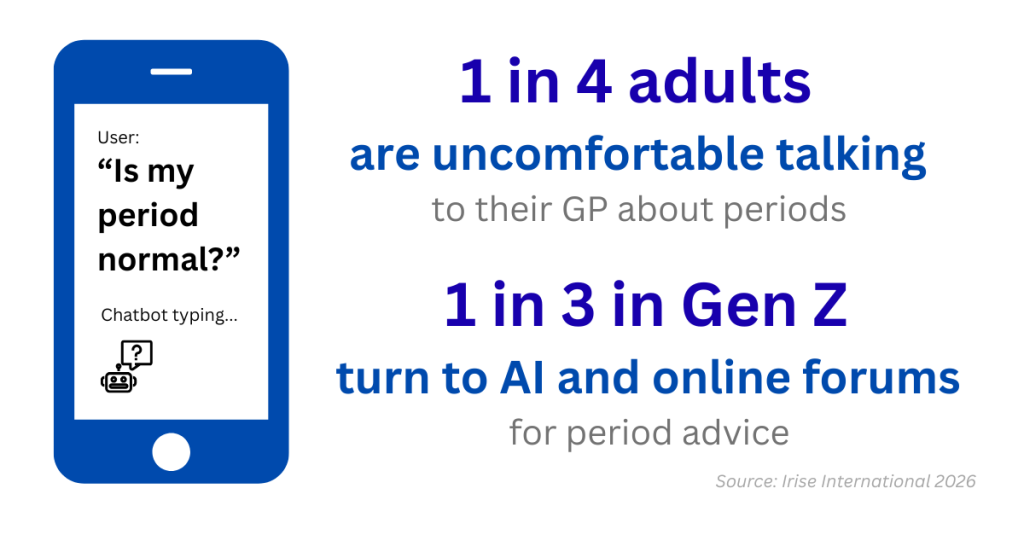
A staggering one in three Gen Zers are turning to AI chatbots, online forums and social media for period advice to avoid speaking to their GP, a new report has revealed.
Period stigma means young people are reportedly suffering in silence or relying on technology which can risk misinformation.
The Red Report – published this month by menstrual health charity Irise International – exposed a stark ‘menstrual literacy gap’ now gripping the UK.
This gap is not just about the right anatomical knowledge, but the language and confidence needed for young people to speak up.
One anonymous respondent said: “I have suffered with paralysing cramps, but still go to school as it feels like a superficial reason to stay off.
“I also feel embarrassed to go to the GP.”
The report suggests that 25% of all adults who menstruate feel uncomfortable discussing their periods with GPs. However, for Gen Z, this embarrassment is triggered by a significant shift in favour of digital diagnosis.
Chrissy Cattle, CEO of Irise International, warned that relying on the internet can leave vulnerable young people exposed to misinformation.
She said: “Words closely associated with menstruation are often shadow-banned or can link to irrelevant or upsetting content, so it can be difficult to know which sources to trust online.
“Instead of seeking help, many people are suffering in silence, experiencing shame or guessing what they should do about symptoms.”
The report says the shame often begins in the classroom.
One student told Irise International: “My teacher told me to stop talking about my period because it’s disgusting when I asked someone quietly if they had a spare tampon.”
The 28 page report also said euphemisms for periods don’t help – like ‘Aunt Flo’ or ‘Shark Week’.
One positive takeaway is that younger generations are increasingly likely to speak to their fathers about periods.
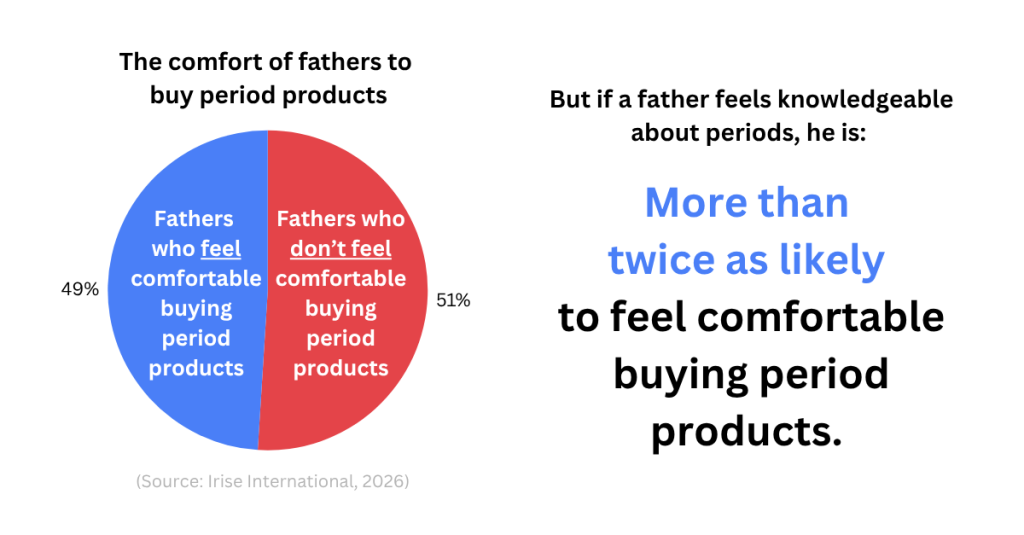
However, the report also says male discomfort remains a significant barrier. A staggering half of the men surveyed (49%) admitted they were uncomfortable purchasing period products. But if a man feels knowledgeable about menstruation, he is up to five times more likely to talk about them openly with family members, friends and colleagues.
Another anonymous participant recalled realising she had no tampons at her father’s house – but feeling too embarrassed to ask him “because he’s a man”.
Irise said there is urgent need for offline support through initiatives like ‘Period Confident Schools’ – a specialised initiative designed to help tackle period poverty, end period shame and ensure free menstrual products without barriers.
The charity spoke about the need to normalise carrying period products in public, talk openly about periods in front of all genders, and educate all genders about periods in schools.
Cattle said: “Over half of the population will menstruate at some time in their lives — that anyone feels shame for having a period needs to change.
“Literacy isn’t about how much you know, it’s about confidence in using what you know.”
Click here to read the full report.
Featured image credit: Elsa Nightingale