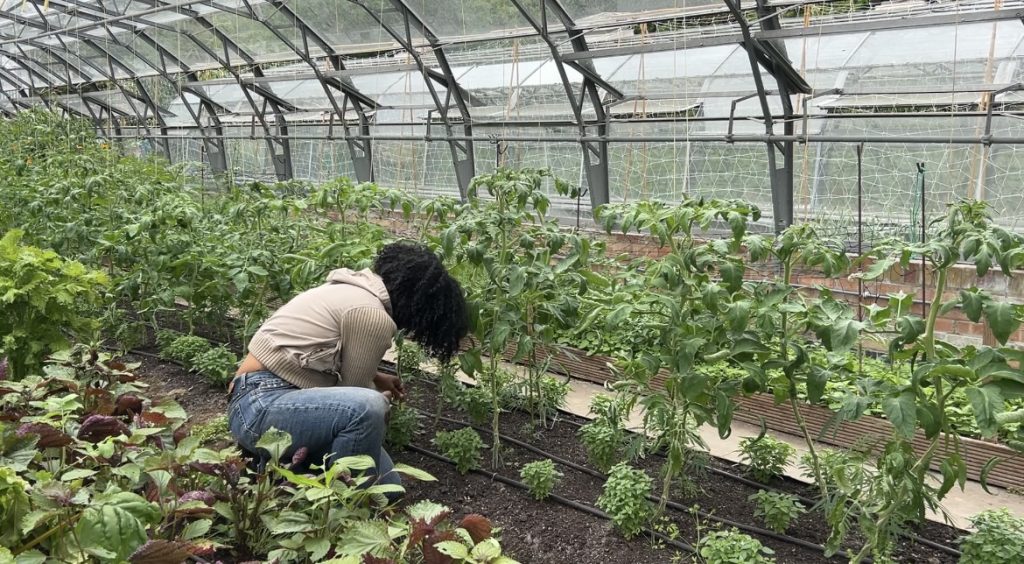
Community growers, environmental experts and local residents gathered at Wolves Lane Centre in Wood Green as part of Haringey’s Go Green Eco Urban Festival and National Park City’s Grow Urban Festival, exploring how urban growing can help to build a fairer and more sustainable food future.
Haringey’s ecological festival began on the 1st June, and to kick off the four-month event, Wolves Lane Centre showcased the work taking place daily at its 3.5-acre community growing and learning site, with talks focusing on food sovereignty, food equality and the importance of training the next generation of London’s growers.
Visitors also heard from leaders in the field, including Paulette Henry, co-founder of the Black Rootz Project – the UK’s first intergenerational, Black-led growing project. She spoke about the vital role older generations play in passing on knowledge of growing techniques, healthy eating, and sustainable food practices.
As Paulette says, their mission is straightforward: “My hopes for London in the future are that we have more food growing spaces.
“And really create that family network, and expand on those family networks, within the borough and its surrounding areas.”
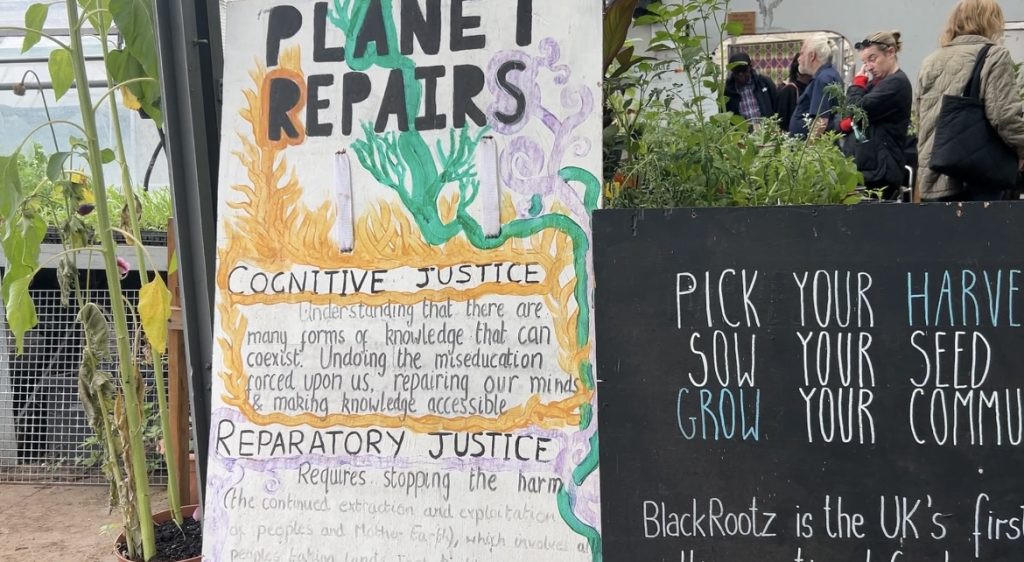
The tour was led by Yvonne Field OBE, a lifelong social justice advocate and Director of Wolves Lane Centre. Field is also the founder and CEO of The Ubele Initiative, an organisation that supports individuals and community groups through leadership development, enterprise support and community asset building. In 2019, it was the Ubele Initiative that helped establish Black Rootz.
Projects like the Wolves Lane Centre help imagine a more inclusive future for the UK farming and horticultural industry. Current Government data shows that 99.7% of farmers are white, raising questions about who has access to land, food production and opportunities within the sector.
Gender inequality also remains an issue. According to data from the Department for Environment, Food and Rural Affairs, while women account for around 55% of the farming workforce in England and Wales only around 16% are registered as principal landholders or primary farmers.
The event also highlighted the value of London’s more than 3,000 parks and green spaces. Organisers said reconnecting people with nature can improve wellbeing, encourage more environmentally conscious lifestyles and help communities better understand where their food comes from.
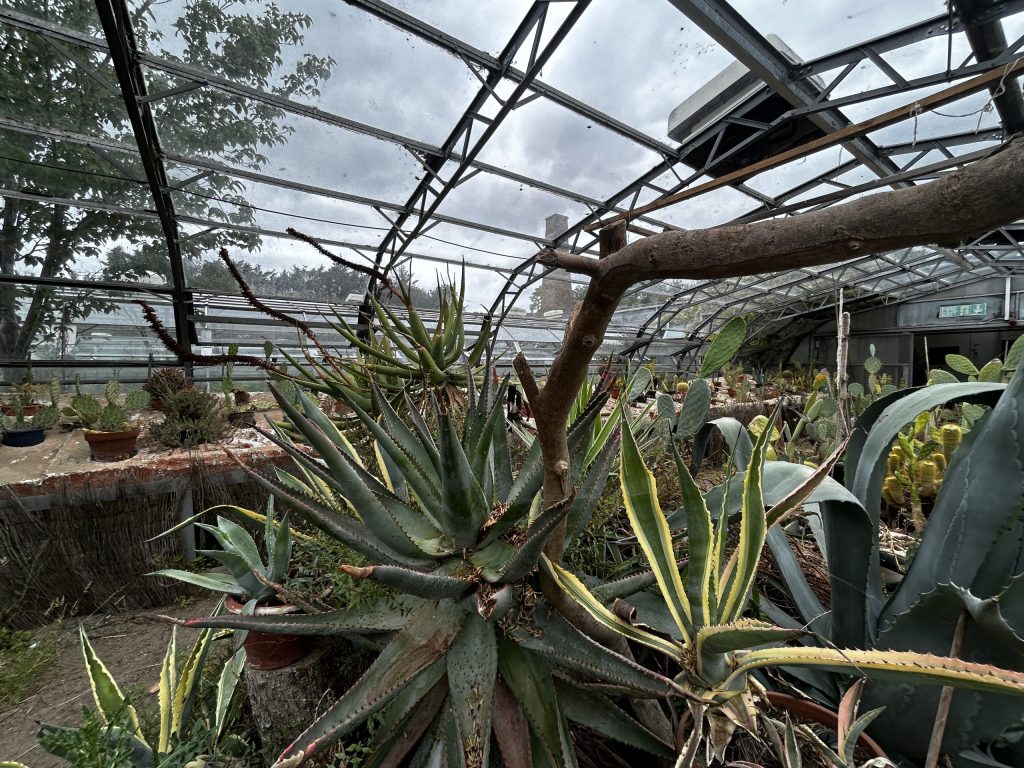
As Field said: “We’re really worried about how to ensure that communities, particularly younger members of the community, have access to open spaces where they can learn to grow and make small improvements to their diets.”
As cities continue to grow, projects like the Wolves Lane Centre are demonstrating how green spaces can be used not only to grow food, but also to cultivate opportunity, education and community resilience.
Watch the full video below: