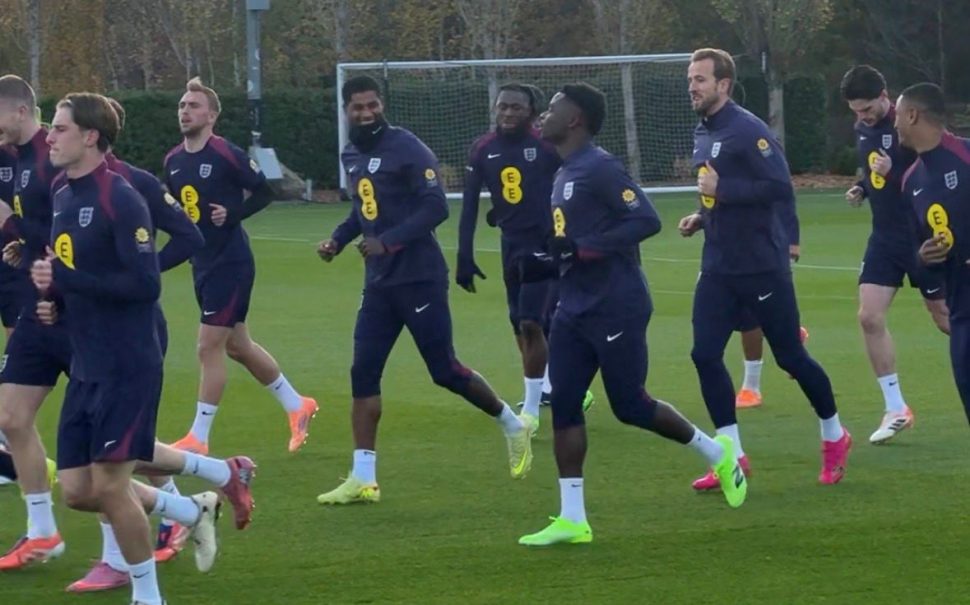
Performing on the field is not enough these days. You have to perform online too.
Former England captain Sir David Beckham was recently announced as the UK’s first billionaire sportsman.
Beckham is married to fashion designer Victoria Beckham, and enjoyed many iconic fashion moments throughout his career
The former Manchester United player, who famously left the Red Devils to join Real Madrid in 200e, is seen as one of England’s greatest footballers of all time.
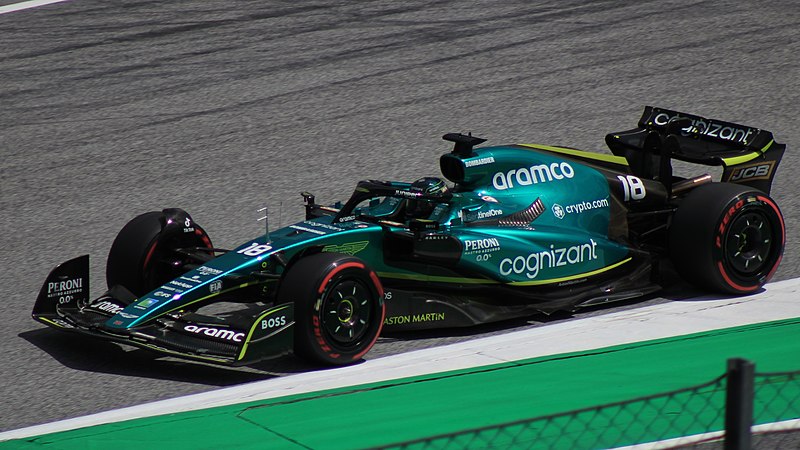
In the 2025 SportsPro 150 Most Marketable Athletes list, Lewis Hamilton claimed the number one spot and has been in the top 20 since 2021. Overall there were 18 athletes from Britain within the 150. Within these athletes, 44% are females and 72% play football.
The number of athletes showing their personalities online has increased significantly over the last few years as players and fans draw closer to their heroes via social media.
Historically, the most marketable athletes have been the best in their respective sports. In football, Balon D’or winners, in F1, the World Champion, in the NBA, the Finals MVP.
The first crossovers between athletes and brands was seen in the 90s. Michael Jordan in the United States, David Beckham in the United Kingdom. In the 80s, you didn’t get huge athletes advertising non-athletic products to you.
Football journalist for the Athletic Carl Anka said: “The idea [at the time] was that David Beckham uses this hair gel, therefore I’m going to use this hair gel to get my hair like David Beckham. Whereas with social media the gap between advertisement and editorial is very very blurry.
“Social media is the new billboard,” he added.
As times have changed, the standard for a marketable athlete has changed. And athletes are using their own social media profiles to showcase their life for their own benefit, rather than solely that of the brands.
“Brands now don’t just wanna work with the one percent, they want to work across the board,” Anka added.
How players and companies used social media changed drastically after the outbreak of Coronavirus.
The 2019/20 season of the Premier League was halted during the Covid-19 pandemic and it wasn’t until May 2021 that fans started returning to stadiums in full force and the sport began to regain normality.
During the pandemic there was inevitably an increase in individuals spending time online. With both players and fans stuck inside, brands and individuals reshaped how they showed themselves to the world.
Johnny Kay, chief commercial officer at Versus, said: “In previous eras football felt so detached from normal people, post lockdown that all flipped on its head.
“Because of social media, current football players feel more connected to real people than they have done before.”
In the UK, the majority of football players are from working class backgrounds and become millionaires. Young people growing up, see this journey and hope and aspire to follow in such footsteps.
“There’s a point where Marcus Rashford was the most marketable and well known player in the Premier League, and it’s not necessarily because of what he did on the football field,” said Anka.
Social media doesn’t only showcase footballers flexing their riches, it can be used to document personal and team success.
Anka added: “Post Last dance [the Michael Jordan basketball documentary released in 2020], there was a boost in short form video content.
“In an age of tiny mics and cameras, people want access to the dressing rooms, but if you’re taking your craft seriously that stuff should be off limits,” he added.
The 2021/22 season was a major season of football on and off the pitch.
Three of the top 10 most liked photos on Instagram came from the 2022 Fifa World Cup, hosted in Qatar and in winter for the first time.
Argentina beat France in the final granting Lionel Messi his long awaited first World Cup. His posts on Instagram celebrating the victory are the 7th, 3rd and 1st most liked photos on the platform with 41 million, 53.5 million and 74.6 million likes.
The Lionesses won the 2022 Women’s European Championship, with Chloe Kelly’s iconic topless celebration after she scored the winner going viral online. Goalkeeper Mary Earps and the rest of the team storming press conferences also went viral, as well as Jill Scott’s explicit outburst as she was caught swearing at a German player.
This was a prime example of small moments providing a significant boost to players’ social media presence.
Anka said: “Jill Scott went from swearing at someone off the bench, to winning I’m A Celebrity to now doing a bunch of stuff with Roy Keane, Ian Wright and everyone else.”
When fans learnt more about Scott after the clip, they liked what they saw and it led to the former midfielder’s reputation climbing.
Post Covid, the number of female athletes deemed as the most marketable rose from two in 2020 to eight in 2025. Following the successful year of football in 2022, the number of British females in the top 150 in 2023 grew from 25% to 57%, overtaking the number of males in the count.
Two years later England football fans went from celebrations to heartbreak as both the men and the women lost to Spain in the men’s World Cup and women’s Euros final.
But 2024 also featured the highest number of footballers (15) in the most marketable list, a 650% increase from between the two years.
One of the most notable movers is England and Arsenal’s Bukayo Saka, jumping from 89th to 19th between 2024 and 2025.
Saka, who was racially abused online after missing a penalty for England against Italy in the Euros 2020 final, has overcome his struggles and found his form, captaining club side Arsenal to their first league title season in 22 years.
From “Saka’s Spelling School” series on tiktok, to posting memes on his stories after victories. North London’s posterboy is becoming one of the most recognisable players in the Premier League.
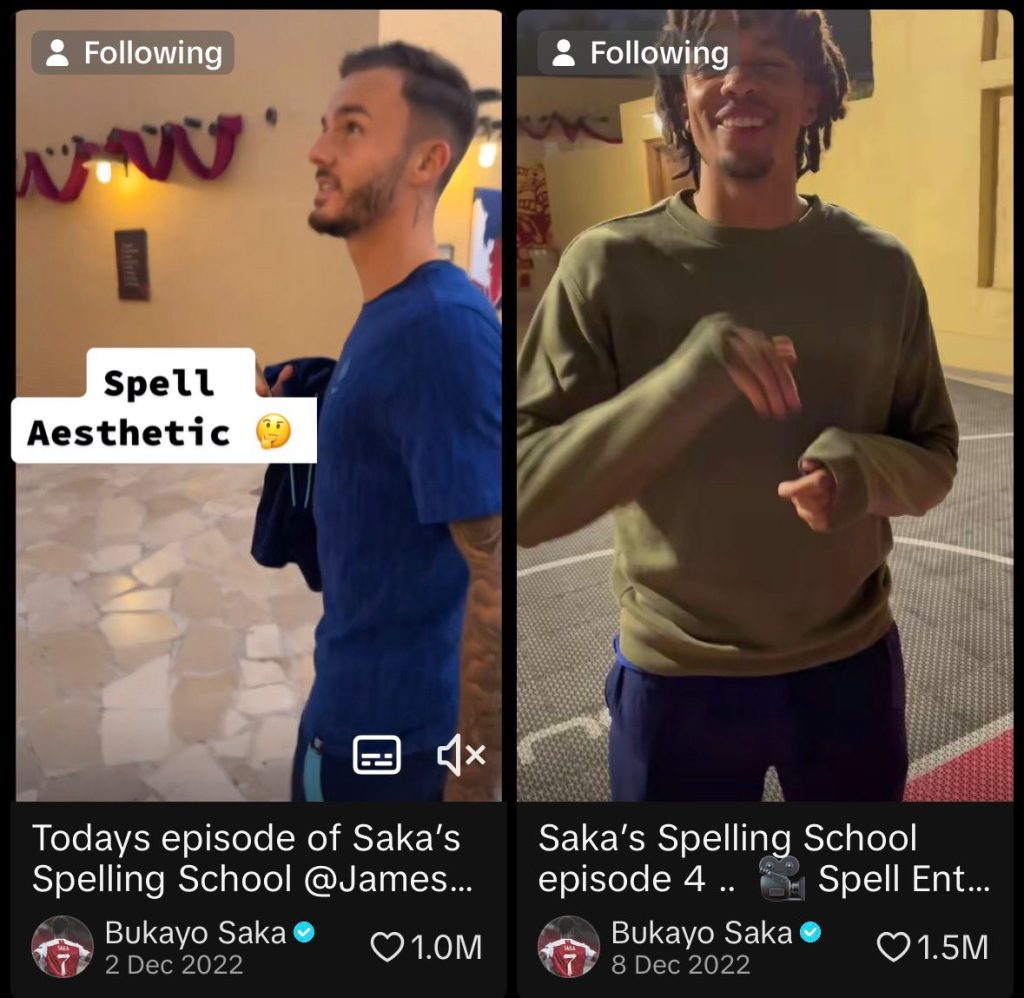
“Saka is incredibly marketable because he is everything English football wants to view itself as,” said Anka.
“He’s the homegrown hero for the biggest culture club in London.
“He’s also had the rise, fall and rise again story.”
Even though he is the most marketable British footballer, Saka is currently signed to New Balance, who aren’t the biggest football brand in the game.
Versus’s chief commercial officer Kay said: “It’s no longer just Adidas and Nikes. So many other brands are supporting players, and not just with boots. Football and fashion are so connected.
“Ten years ago football players weren’t just not fashionable, they were the least best dressed subset of people in the entire world.
“It’s the first time ever fans feel happy about their clubs doing fashion.”
Editor in Chief at Versus, Amie Cripps said: “It’s really interesting that we are having this sort of collective resonance through individual stories and brands and how they make the majority of people feel a part of a concept that maybe for way too long is rooted around traditionalism and nationalism.
“Whereas now it’s more about culture and community and feeling connected through those things.”
Featured Image Credit: Ifiok Awak-Essien