A third of all UK asylum seekers in hotels are accommodated in London, according to data from the House of Commons Library.
There were 9,380 asylum seekers living in hotels in the capital out of a UK total of 30,657, the latest figures from December show.
Hotels are the main form of contingency accommodation, a form of temporary migrant housing used when there is a shortage of long-term residence options.
The demand for this type of housing has increased significantly since 2020 due to a backlog of asylum seeker claims from people arriving in the UK, with the number rising to the highest level on record in the year ending June 2025.
Dr. Nuni Jorgensen, a researcher at Migration Observatory at the University of Oxford, said London figures for asylum seekers living in hotels are “exceptional” compared to the rest of the country.
However, when all types of accommodation are considered, Dr Jorgensen explained, supported migrants have become more evenly distributed across local authorities.
She said: “On the one hand, you have this push for all UK regions to house asylum seekers.
“But on the other hand, you have very different conditions across the UK regions where in places like London, it’s really hard for the government to source low cost disposable housing.”
In December, the average house price in London was £551,000, more than double the UK average of £270,000.
The North West overtook London in June 2024 as the region housing the highest number of asylum seekers overall, with 81% of them living in dispersal accommodation, or housing within communities intended for long-term residence.
Despite having the greatest share of asylum seekers living in hotels, only 28% of supported London migrants were in dispersed accommodation in December, the lowest of all regions.
The data also shows high variation between the London boroughs when it comes to the number of asylum seekers in hotels, with 16 of them not recording any at the end of last year.
Hillingdon and Hounslow had the highest levels, both with approximately ten times more than the England average at 58 and 49 asylum seekers in hotels per 10,000 residents respectively.
Meanwhile, across all local authorities in England, the average number of asylum seekers housed in hotels is five per 10,000 residents.
Jorgensen said this could be explained by the cluster of budget and mid-range hotels within these boroughs in the area around Heathrow Airport.
The use of hotels for migrant accommodation has come under fire from both local residents and refugee advocacy groups within the past year.
Last year, Hillingdon Council called on the government for increased funding to support asylum seekers to offset what then council leader Ian Edwards called an “unacceptable, unfair and unreasonable” cost to the borough’s taxpayers.
Many areas of the UK saw violent anti-immigration protests break out last summer, with anger directed at hotels in particular.
Protesters threw projectiles at police officers outside a hotel in Epping in July and the grounds of an Islington hotel housing asylum seekers were set alight in September.
Tim Naor Hilton, Chief Executive of Refugee Action, said: “People seeking asylum should never be put in hotels for long-term stays.
“They are only ever appropriate for a maximum of two weeks while a more suitable dispersal home in the community is found.
“People suffer due to the appalling food that is served up in hotels, the cramped conditions they must live in, and the lack of any agency over their own lives.
“We need to put council and other local experts in charge of housing people in the communities that they know.”
Jorgensen agreed, adding that hotels were not an adequate long-term solution due to the lack of essential facilities like kitchens and because they are significantly more expensive to fund than private housing.
The government aims to end the use of asylum hotels by July 2029 and scale up the use of large accommodation sites as an alternative.
Last month, the number of asylum seeker hotels fell to 185 as 11 are no longer be used to house migrants, including the Holiday Inn Heathrow in Hillingdon.
However, Jorgensen noted that the government’s push to use military barracks rather than hotels will not necessarily be cheaper, as there will be additional costs of transportation to and from the site for asylum interviews or medical appointments.
In a report on the government’s management of asylum accommodation, the Home Affairs Committee said: “The closures and relocation of those accommodated will be coordinated and undertaken in partnership with local authorities and stakeholders.”
A Home Office spokesperson said: “This government is restoring control to our borders by removing the incentives drawing illegal migrants to the UK and increasing removals of those with no right to be here.
“We will close all asylum hotels by the end of this parliament and are moving asylum seekers into more suitable accommodation including former military sites.”
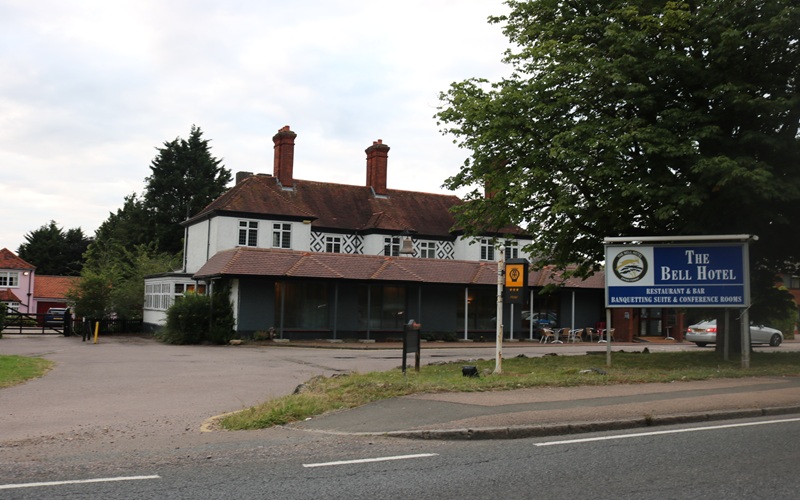
Featured image credit: David Howard, Geograph via Wikimedia Commons