An independent advisory panel concluded on Wednesday that ketamine will remain a Class B controlled substance amid mounting concerns about its increased misuse and serious health harms.
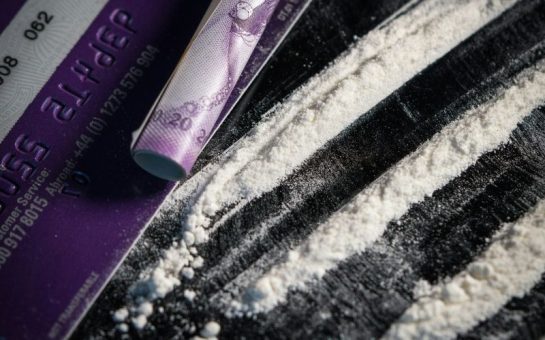
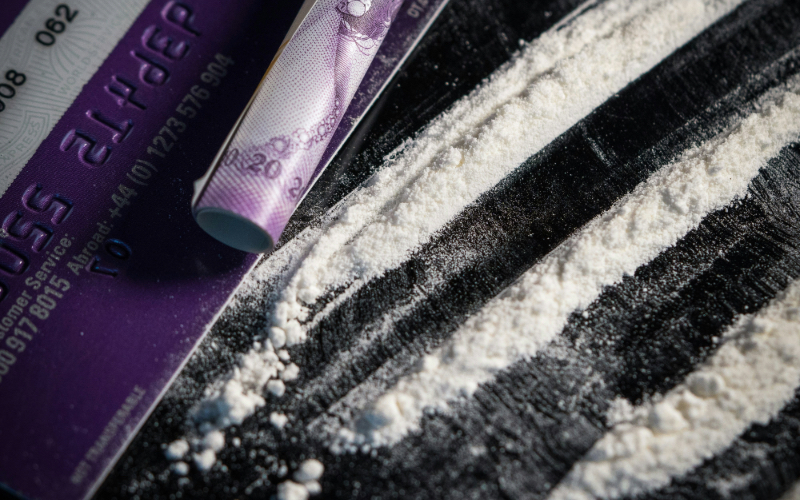
Ketamine, a Class B drug, is primarily used as an anaesthetic in both human and veterinary medicine but it is also sometimes taken recreationally in powdered form.
The advisory council on the misuse of drugs (ACMD) was tasked by the government last year to review the drug following record levels of use and growing evidence of life-changing health consequences, particularly among young people.
Vicky Unwin, whose daughter Louise Cattell died after taking the drug, said she believes in the decriminalisation of all drugs but welcomes the decision to keep it Class B.
She said: “We are very pleased they did that.
“Reclassifying it to Class A will make no difference because you can’t stop people doing things they want to do, and unless they’re educated that ketamine is a really dangerous drug, people will keep on taking it.”
She advocated for greater investment in prevention, education and support services for addicts alongside awareness campaigns, particularly in schools.
The ACMD, made up of academics, healthcare professionals and other specialists published its recommendations to the government on Wednesday.
It noted that maintaining ketamine as a Class B drug was “by no means a unanimous decision.”
An estimated 299,000 people aged 16-59 had reported ketamine use in the year ending March 2023 – the highest figure on record.
Jack Curran, a recovered ketamine addict and a recovery worker at Step-by-Step Recovery said the length and extent of his use left him with lifelong health consequences.
He said: “The bladder problems were horrendous, urinating blood, urinating jelly, urinating part of my bladder lining, wetting myself, becoming incontinent, having to get my bladder drained.”
Curran believes reclassifying ketamine would not deter users but instead punish the addict and not address the underlying issue.
Curran added: “There’s a dual-edge to this for me, if you’re just looking at the harm ketamine causes in that how quick it causes the harm, it should be Class A.
“However, would it really affect in a positive way the addict? No.
“How I see that is because we’ve still got a horrendous Class A problem with heroin and crack cocaine.”
He calls for greater state investment and a multi-disciplinary approach combining healthcare, rehabilitation, education and policing alongside community awareness.
Curran now works with addicts helping them on their recovery journeys.
According to Evolve, a substance misuse charity, ketamine-related deaths have risen by 650% since 2015, with one death reported every week in the UK.
Dr Anthony Noah, a consultant urologist at University College London Hospital, spoke of the rising ketamine misuse he sees in his clinics.
“People have had their lives absolutely destroyed by it; people have died,” he said, adding that some patients were unaware of the risks.
“It was being sold to them as this wonder drug with no effects on the body.
“I don’t think death is the worst thing that can happen from it. I think having to live with severe problems with your bladder is probably worse.”
He also calls for awareness campaigns and education programmes in schools to teach teenagers about the serious health risks, using former addicts to help convey that message.
Dr John Corkery, Associate Professor in Research (Psychoactive Substances’ Epidemiology, Toxicology and Mortality), University of Hertfordshire noted that ketamine is often combined with other drugs, which increases the risk of harm.
A Government spokesperson said: “Ketamine is an extremely dangerous substance and the recent rise in its use is deeply concerning.
“We are grateful to the Advisory Council on the Misuse of Drugs for publishing their assessment. We will now consider the report carefully and respond as a matter of priority.”
Featured image credit: Unsplash, Colin Davis