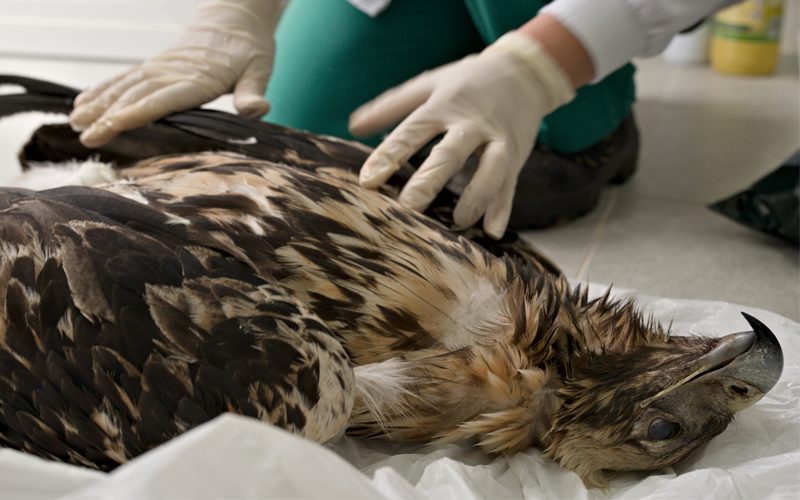
Ten years since their licensing for outdoor use, data shows that rat poisons are responsible for an increasing number of wildlife deaths, including birds of prey, foxes and otters.
Many of these poisons are used by the pest control industry, farmers and gamekeepers to manage rodent infestations both in urban and rural settings. Their use, however, has long been under scrutiny due to the risks they pose to predators who might feed on poisoned prey and in turn die.
Of particular concern are a new class of chemicals that go by the name of second generation anticoagulant rodenticides, or in short SGARs, and that are particularly lethal to wildlife.
Data obtained from the Wildlife Incident Investigation Scheme (WIIS) shows that in the years 2005-2023 the number of buzzards and foxes found with more than 0.1mg/kg of SGARs in their livers, which is widely accepted to be the lethal dose, has had a steep increase.
In England, SGARs are authorised and regulated by the Health and Safety Executive (HSE). They were first introduced in 2005, with half of the compounds only available for use indoors. From 2016, however, two of those compounds, including the highly toxic Brodifacoum, were licensed for use outside buildings.
Ed Blane, former lead advisor for the Natural England WIIS scheme said: “These products should have been banned because they fail the environmental risk assess assessment, but the HSE and the chemical companies came up with a deal whereby the HSE will allow the chemical companies to keep selling these compounds, if the chemical companies achieve a significant reduction in exposure.”
So in 2016 the Campaign for Responsible Rodenticide Use (CRRU), which promotes best practice and responsible rodent control, introduced the Rodenticide Stewardship Regime (RSR), a voluntary code of conduct aimed at minimising wildlife exposure to SGARs.
However, data presented here shows that wildlife exposure to SGARs has increased in the years following 2016.
A Government Oversight Group was meant to issue annual reports on the progress of the RSR, followed by a review after five years, but the five-year review never happened, the yearly reports stopped in 2020 and a review of the scheme which was supposed to take place in December 2023 has yet to happen.
A spokesperson for the campaign group Wild Justice said: “The Rodenticide Stewardship Scheme is a failed scheme, which the government should recognise.”
Many of the old rodenticides were acute poisons, so if a rat came along and had some zinc phosphide bait for example, it would either die immediately or, if it took a sub-lethal dose it would be ill, recover, and learn to never go near that bait again. However, some rodents started developing resistance to these compounds.
“So to get around this, the chemical companies introduced chronic poisons,” Blane said. “The idea here is that the rat doesn’t start feeling ill for three or four days, so they will eat more than the required lethal dose, and when they start to feel ill, it’s too late.”
With second generation anticoagulants, the animals become lethargic, more risk-prone, and rodents become active during the day, making them more likely to be predated. These poisons also accumulate in the liver, turning rodents into poisonous baits for their natural predators.
The same happens down the food chain, so if a fox eats some poisoned rats, they too will go into a similar, lethargic, weakened state, and at that point, they are much more likely to be knocked down by a car or suffer some kind of trauma.
This poses a problem for the interpretation of the data, where even animals who have ingested multiple SGARs are often classified by WIIS as dead due to trauma or starvation.
Blane said: “It’s a bit like a drunk who has 12 pints of very strong beer and then thinks it’s a good idea to cross a busy road. When they die after being hit by a car, the doctor says it was a car accident. But in reality, it was because they were crossing the road after having 12 pints.”
Of the five different SGAR compounds currently available in the UK, Brodifacoum is especially toxic. It is a single-feed bait, meaning that a single feed is enough to deliver a lethal dose, and it is also one of the few compounds that rodents are not developing any resistance to.
However, since its licensing for use outside buildings in 2016 the amount of Brodifacoum found in the carcasses of animals has increased, and by 2020 its presence alone surpassed that of all the other SGAR compounds.
Rodents have always coexisted among humans, especially in urban environments, however whether their presence is on the increase in the UK is open for debate.
Recent publications in the media have suggested that the UK is dealing with a rodent problem that is out of control, with some publications describing the situation as a “Ratmageddon”. The data available to the public is, however, extremely limited on this front.
Niall Gallagher, from the British Pest Control Association, said: “It’s really hard for us to determine if the infestations are getting worse or if there is just more social media around it. We are seeing increased calls, but is that because more people are relying on professionals, rather than doing it themselves? It’s hard to know for sure.”
It is also possible, Gallagher said, that people may not be treating rodents as promptly as they once were due to the cost of living crisis and the fact that councils, due to the many cuts, now subcontract a lot of the pest management rather than having their own teams.
Data obtained through Freedom of Information (FOI) shows that councils across England have attended as few as only one domestic property rodent infestation in 2024, in Torbay Council, and up to 17,680 infestations in the same year in Southwark Council in London.
A similarly big variation is seen in how much money different councils spent to manage residential rodent infestations in 2024. Of the London boroughs to have responded to the FOIs, Tower Hamlets declared spending £879,895 in 2024, whereas Sutton was the most frugal, spending only £17,516.
One thing is sure, rodents are a financial burden to councils and, when they live in too close proximity to humans, they can pose a risk to our health by spreading disease and damaging infrastructure.
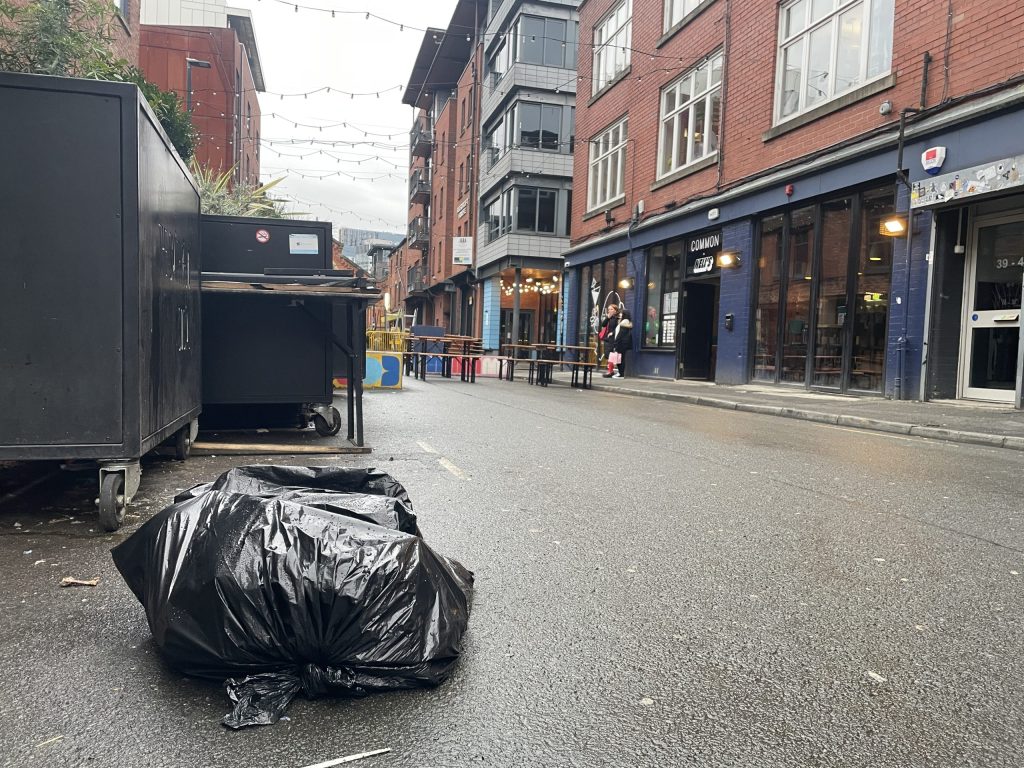
Gallagher said: “The issue that we find in urban spaces is the availability of food. Rural rats will quite happily live on natural food sources, but in urban environments they’ll be relying more on humans for food: from bird feeders to people leaving their food behind or even overflowing bins that haven’t been collected.
“And in cities like London it’s very common for bin bags to just be left outside.”
There is a lot we can do to prevent rodent infestations, like good housekeeping, and removing sources of food and water. Rodenticides are often the last resource employed by pest control specialists, according to Gallagher.
He said: “There are a lot of things we do have to consider, before we can use rodenticides. It’s not how it used to be, when you turned up and just put a load of poison down.”
However, Kate Jellyman from The Barn Own Trust has been working alongside farmers to improve education and good practices around rodenticide use.
She said: “We work within the farmland ecosystem, so obviously we deal with farmers and landowners, and it’s just so normal now to have baiting stations down permanently. And the problem with those baiting stations is that anything smaller than a rat can use them too. So they’re completely non-targeted.”
Barn owls are night time predators who mostly feed off voles and shrews, with the occasional mouse. They do not eat rats, yet they too have been highly impacted by SGAR use.
A 2022 study conducted by the Centre for Ecology and Hydrology found that owls had higher concentrations of the anticoagulant Brodifacoum in 2022 than they did in previous years, in line with what the WIIS data shows for buzzards and foxes.
Jellyman said: “I don’t think it’s actually the fault of landowners or farmers working the landscape. We do a lot of wider engagement and education, and we generally find the industry is really open and susceptible to wanting to help the wild.”
But it isn’t just land predators who are suffering unintended poisoning. Otters have also been discovered containing high concentrations of SGARs, even more so in recent years.
WIIS data from England, Scotland and Wales collected from 2009 to 2024 shows that otters tested for poisoning had, on average, 0.27 mg/kg of SGARs accumulated in the liver. The cases however are far and few to draw definitive conclusions and the SGAR exposure route in otters is still not clear, and may include poison run off into rivers, or via the sewage system.
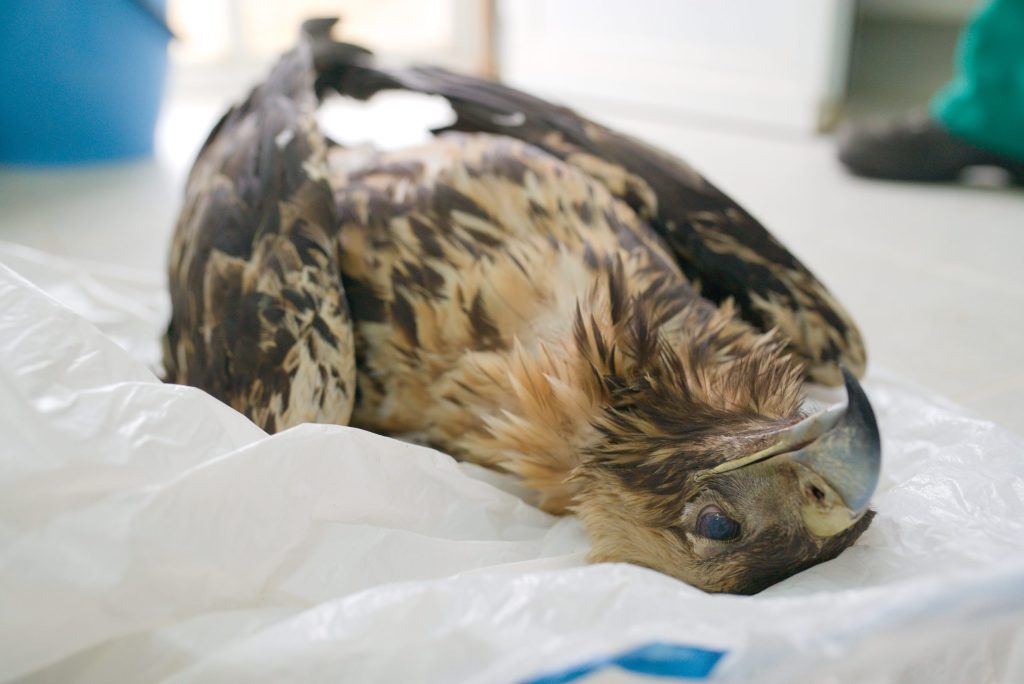
SGARs are a global issue, with many countries grappling with the environmental impact of these compounds. In a 2024 study from Spain all 17 carcasses of endangered and protected Bonelli’s eagles were found to contain lethal levels of second generation anticoagulants.
In response to pressure from wildlife charities and campaign groups, tighter regulations have been introduced from 2026. As of January 1, anyone purchasing or using professional rodenticide products must have completed a Campaign for Responsible Rodenticide Use (CRRU) UK-approved training course within the last five years.
However, SGARs in lower concentrations can be bought by anyone in shops and online, with 300g of “Super Strength, Single-Feed Fast Acting” poison blocks going for £8.99 on Amazon.
Blane is sceptical of these small changes in regulation and he said: “A buzzard isn’t going to think to itself ‘that rat has been poisoned by somebody with a training certificate so I won’t eat it’. It will have no effect whatsoever.”
The HSE, CRRU and WIIS have been contacted for comments.
Featured image: DEAD BUZZARD: a bird is being prepared for analysis by a veterinary toxicologist (Credit: Greta Santagata)