Social isolation is more common than one would think, as almost two-thirds of 16-29 year olds (65%) often feel lonely, according to a recent Office for National Statistics study.
The loneliness epidemic has arguably been present since the Covid-19 pandemic, but according to ONS data tracking loneliness rates from July-September 2025, the issue remains pervasive.
Charlie Parker, an alcohol and mental health nurse, said: “Young people are becoming increasingly socially isolated, perhaps because of social media and less in person contact.
“Alcohol and mental health can be both a cause and an effect of loneliness and so for many it becomes a vicious circle.”
The World Health Organisation have defined loneliness as ‘a subjective experience, which refers to a negative “emotional state” arising from a discrepancy between one’s desired and actual experience of social connection, which is influenced by social expectations.’
A lack of social connection can increase the risk for premature death as much as smoking up to 15 cigarettes a day.
With social media and online platforms in such easy reach for younger generations, people are witnessing their social interactions and attention span decrease, potentially harming their ability to connect offline.
Holly Cooke, the founder of Lonely Girls Club (LGC), said: “Feeling lonely is something so many people feel and can identify with, it’s just unfortunately not something that we talk about regularly as a society.”
In attempts to combat loneliness and destigmatize the conversation, social groups around London, such as LGC, Walk This Way and Somewhere Peaceful London, have been created to push socialisation through activity based methods.
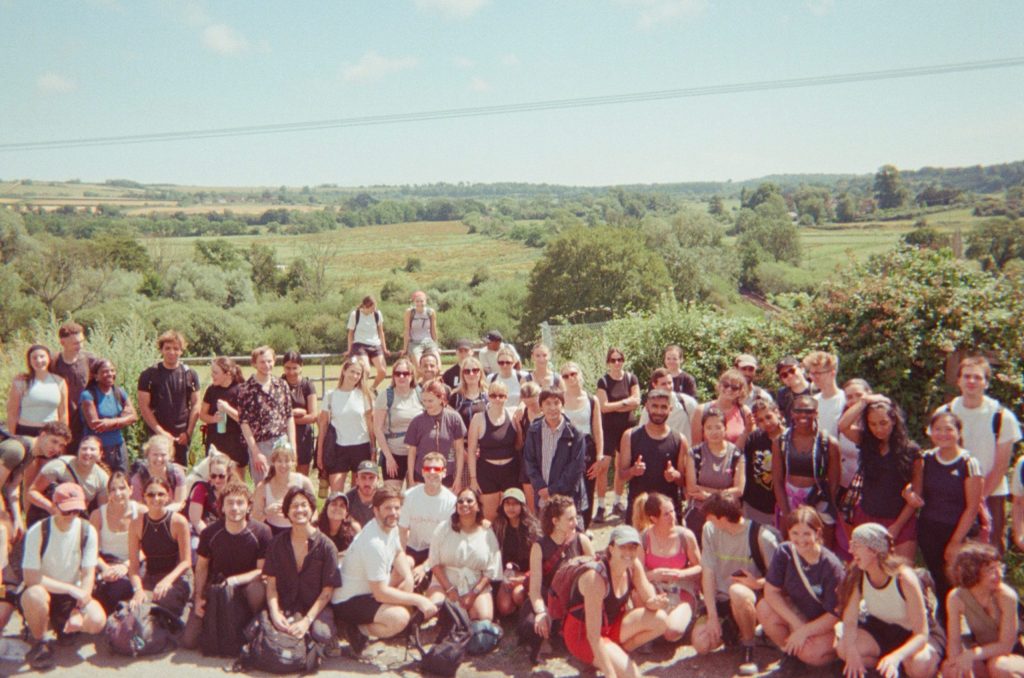
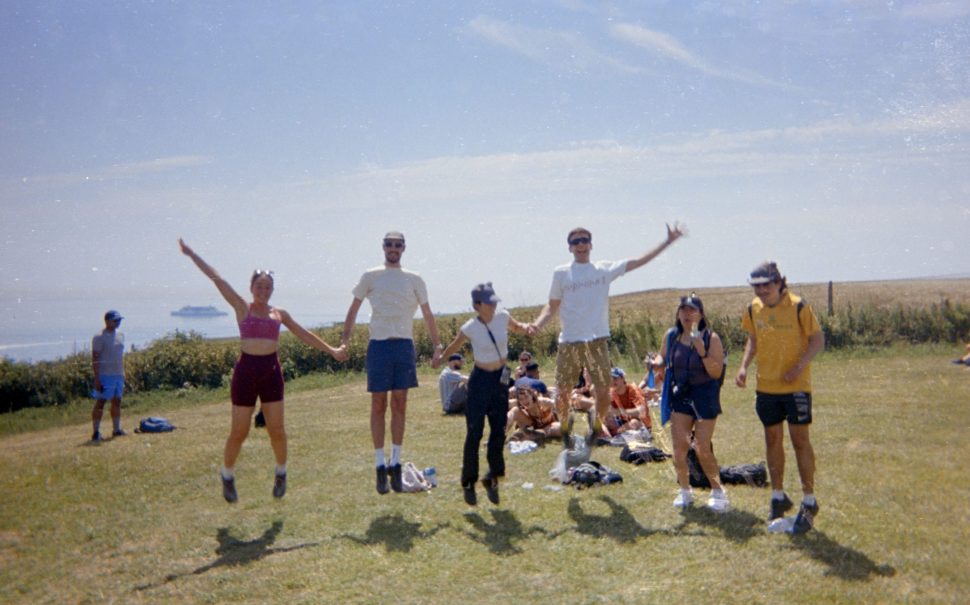
Harry Brown the founder of Walk This Way, started the community in March 2024, inspired by his wish to meet new people while taking part in his passion of hiking.
Walk This Way hosts 100 plus members on monthly hikes from London, giving people a chance to come solo or with a friend and become part of a new community.
Brown said: “We aim to do three things: bring people together, build confidence in navigating the outdoors and to make the outdoors a more accessible and equitable place.
“We are extremely fortunate to have a community that is so kind and welcoming — there’s always a risk of cliques in communities like ours and we are proud to have not had those.
“My way of combating loneliness is to try and actively engage in the world around you — protest for the things you believe in and rebel against those that you disagree with.
“On a grass roots level, community exists everywhere, you just need to be aware and trust your neighbours.”
The recent ONS data shows the split between males and females with 54% of females and 47% of males in Great Britain having a tendency to feel lonely.
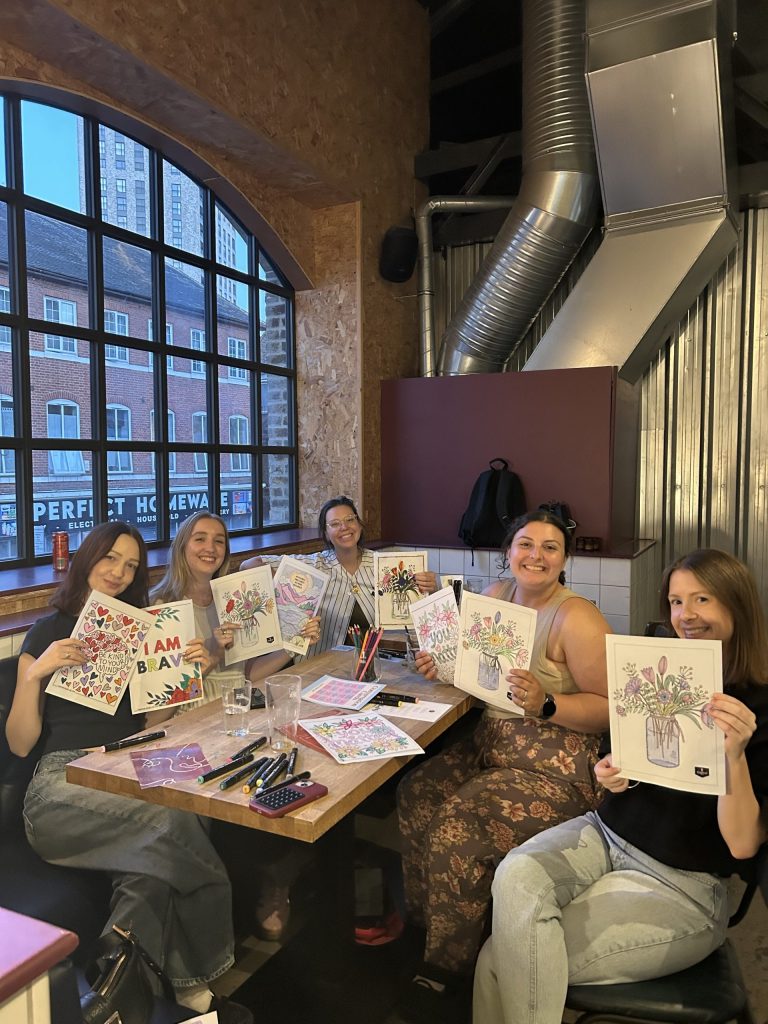
The Lonely Girls Club, which Cooke claims is one of the UK’s largest communities for women, was formed from her own personal experiences of loneliness and mental health.
The club puts on activities with the purpose of forming new friendships and joining a new community, running more than 20 events every month.
Young adults are almost twice as likely to report feeling lonely than those over 65, but it is not just 16-29 year olds who are struggling with feeling lonely.
The data highlights 56% of 30-49 year olds are experiencing a similar feeling of struggling with loneliness.
Lyn Dizon is the founder of Somewhere Peaceful London, an event based group creating connection through conversation.
Dizon said: “Everything we do is rooted in conversation. We believe you are always one conversation away from a completely different life.
“With my background in life coaching, each walk, workshop, and community space is intentionally designed to support growth, reflection, and meaningful connection.
“The data does not surprise me at all. As someone in that bracket, I have personally experienced it, and I know people who have been on the same boat — the loneliness chapter, as I used to call it.
“However, it allowed me to look inward and build a relationship with myself, and it then led me to finding my people.”
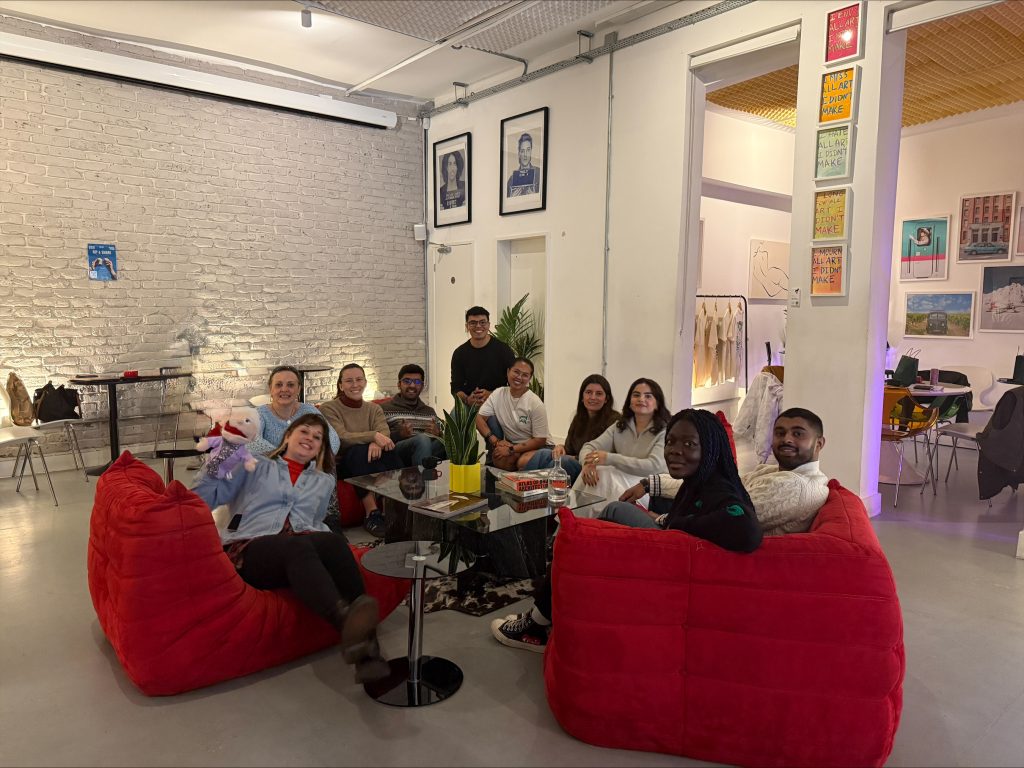
Dizon has moved between the UK and South Korea, adapting to new company and surroundings throughout her 20s.
Dizon said: “During my time in South Korea, I wrestled with moments of loneliness and the quiet pressure of trying to figure life out on my own. I know how heavy it can feel.”
What these groups have in common is the effort to encourage human connections inspired by their own personal experiences.
Combatting emotional loneliness, by turning it into productive activity through social groups, has given Londoners opportunities to meet and converse with new friends.
Featured image credit: Harry Brown