Urgent London Fire Brigade (LFB) calls for cat rescues have cost more than a million pounds since 2023.
The LFB has spent more than £1.8m since the start of 2023 rescuing animals with a large chunk of it – £1.1m – being spent on saving our feline companions.
Among the least tax consuming have been a singular tortoise, pigeon, and hedgehog.
In this time frame there has been a total of 3,766 rescues with the most common animals in distress being cats, birds, dogs and foxes.
But why are cats always the ones getting into trouble?
Loving cat parent, Ben Clarke, 22, who lives in London, said: “They are just so curious, whereas I guess dogs are usually on a lead and don’t have the capability to escape, but honestly I think cats like to get in trouble a lot.”
In terms of the money spent on cat rescues by the taxpayer, Clarke said: “I think it is a necessary use of our emergency services.
“There has been a lot of cases for me locally where cats have had to get rescued from up trees, there was one just two weeks ago.
“Humans are getting themselves into much worse situations so cats getting stuck in trees is not the worst use of money.”
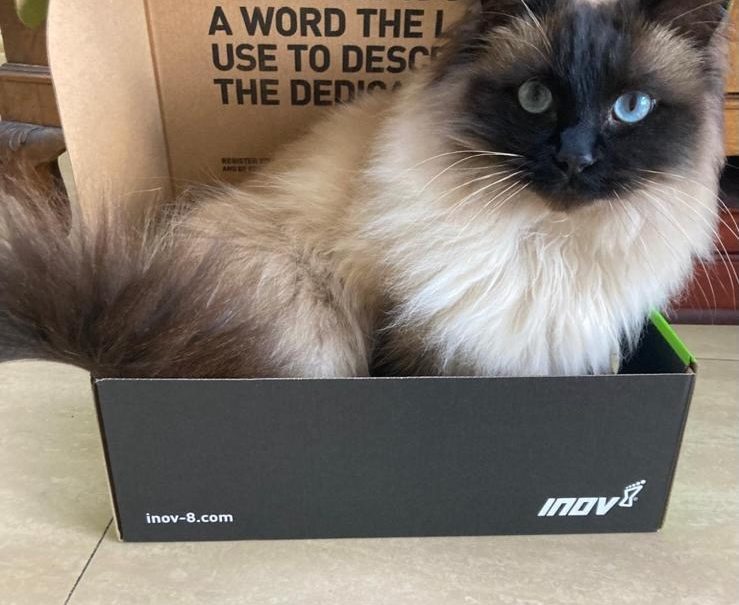
Clarke’s fluffy companion, Misty, is a half rag doll half Birman who he has had for two years.
Helen Carrier, 58, is cat-mum to Domino, a sphynx cat which she rescued from a breeder where Domino was bullied by other cats.
Regarding the amount of money spent on cat rescues, Carrier said: “It is a small amount of money relative to the importance of cats to people and wider society.
“Luckily for them they have nine lives! And they power through them on the London streets.”
Domino’s co-parent, John Cubitt, said: “Cats are a lot more inquisitive, that is why they are always getting in trouble and getting stuck up trees.”
Despite cats and other pets seeming to always get into perilous situations, the number of animal rescues is relatively small – as over the past six years, the percentage of calls to domestic pet related incidents has been only 0.57%.
The boroughs which had the most animal rescues is Enfield and Southwark both with a total of 164 rescues in the past 3 years.
The data set which dates to 2009 has some obscure animal rescue stories – including a call in 2010 where a fish was allegedly in danger of dying in a pond in Sutton.
A spokesperson for the LFB said: “Firefighters love animals and we are ready, willing and able to assist distressed or injured animals if needed.
“A lot of the animal rescue incidents we attend are large animals in serious distress, such as horses stuck in muddy ditches or animals who have got themselves into water – animals which could die if we didn’t attend.”
A spokesperson for the RSCPA said: “The London Fire Brigade has supported the RSPCA with many animal rescues over the years, and we’re always incredibly grateful for their assistance.
“In certain situations, crews may attend to help prevent members of the public from attempting risky rescues themselves, which could put them in danger.”
As part of firefighter training, firefighters are taught a variety of large animal rescue techniques such as how to use hobbles, ground sheets, rope head harnesses, blindfolds and horse slings.
For smaller animals firefighters are taught domestic small animal oxygen therapy and how to care for a domestic animal suffering the effects of smoke inhalation.
At times, animal rescues have been as simple as luring the troublesome pet out of their situation with a treat or a special toy.
Londoners seem to have a soft spot for furry companionship, as the capital leads the UK in both dog and cat ownership.
According to UK Pet Food, 46% of homes in London have a dog, while 44% share their space with a cat.
When asked about if London cats should be kept indoors, Carrier said: “I would not keep them indoors because they are just not like that, but it is difficult because people get stressed about losing them, however putting a tracking device on cats could help if they go missing.”
Featured image credit: Ben Clarke