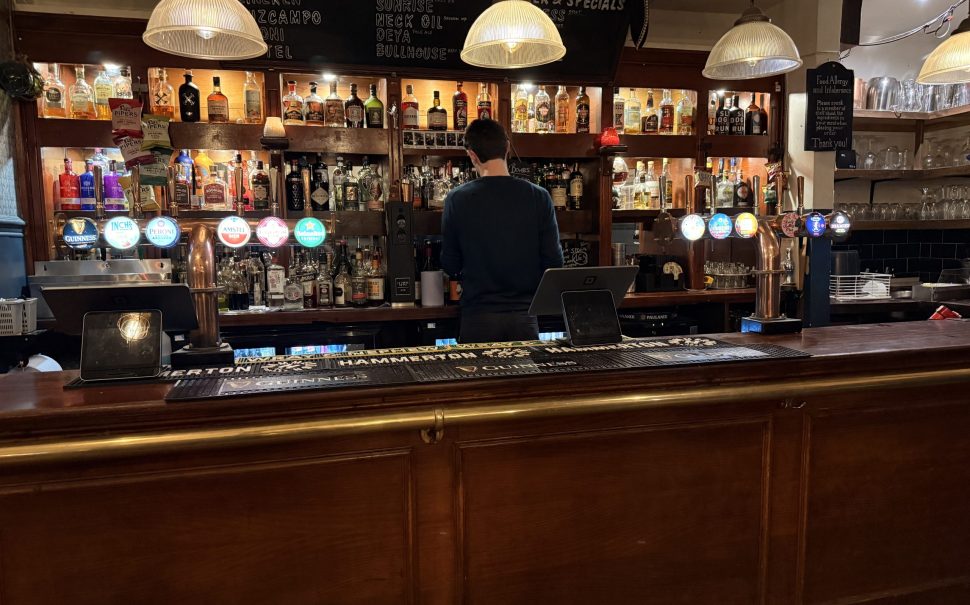
Pubs are regarded as an essential element particular to UK culture.
A place where one has the freedom to hang their hat, enjoy a pint, and share a laugh between friends.
In recent years though, it seems that the UK is suffering under the threat of losing these community gems due to rising costs and a change in drinking habits.
This week the Government tried to ease fears for their future, sparked by increased business rates announced in November’s budget, by giving a 15% discount.
But just how hard is it to run a pub in the current financial climate?
Having weathered the smoking ban in the early 2000s, a pandemic and a change in drinking habits, could the next few years be redefining for the industry?
Data suggests the nation’s capital is under less pressure than the rest of England, and in fact, some boroughs have seen an increase in pubs opening in spite of the looming concerns.
For instance, Camden has seen a spike in pub numbers reaching its peak since 2013, landing at a total of 245.
Why Camden, one may ask?
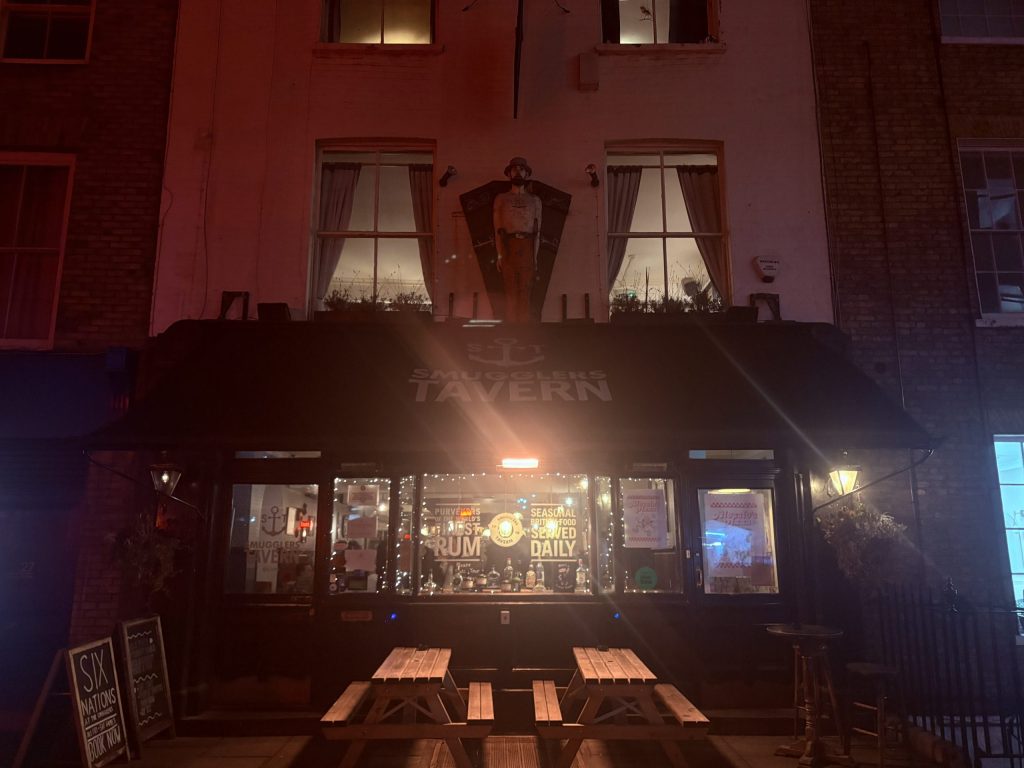
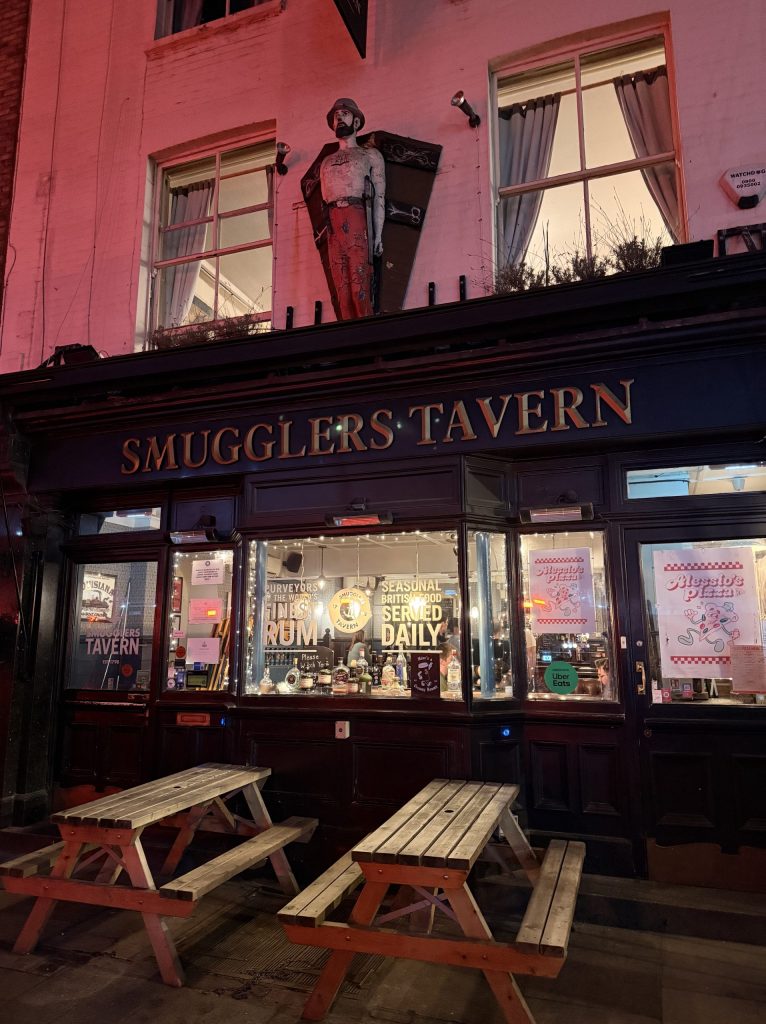
Yannick Springer Hughes, assistant general manager at The Smugglers Tavern, said: “The people who live and work around Camden, and the existing and cultivated culture of the area as a hub of fun people and music venues.
“Combined with its increasing status as a tourist destination in London thanks to the market and canal, and aforementioned culture, have provided it a huge number of customers and a huge market of like-minded people, so venues are able to cater specifically to those groups without alienating any specific customers.”
Data from the Office of National Statistics’ Interdepartmental Business Register revealed a total of 3,525 pubs in London in 2024, compared to 3,615 in 2014.
These figures stand to reason that over the past ten years, there has only been a decline of 90 pubs.
Research has not been as kind to the likes of the rest of England and Wales.
Recent data from 2025 showed that 366 pubs have closed to be converted for other uses or demolished altogether.
Chief executive of the British Beer and Pub Association, Emma McClarkin, told the Evening Standard: “Every time we lose a pub we lose a piece of our social fabric.
“The situation is drastic and we want to work with the Government to ensure pubs are given a fair deal otherwise communities will lose cherished local institutions and, once they’re gone, they’re gone for good.”
It seems as though even popular chain bar restaurants, such as Brewdog, are suffering business loss.
Dallis Shea, 30, general manager of The Grafton Arms pub, on Grafton Way in Camden, attributes closures to the number of pubs that are continuing to be established.
Shea said: “I think there are just too many pubs opening in London, and also so many people leaving London due to the cost of living.
“And not as many people are moving to London anymore because of the challenges posed trying to get a visa.”
:She claims it’s not only a problem for pubs trying to bring in clientele, but staffing alone is an issue; “It’s definitely harder to find staff, especially because everyone is looking to get onto a visa.
“We sponsor people’s visas here, but it has definitely been harder to find staff.”
The pub is home to many fond regulars, and because of its prime location, business has been doing well.
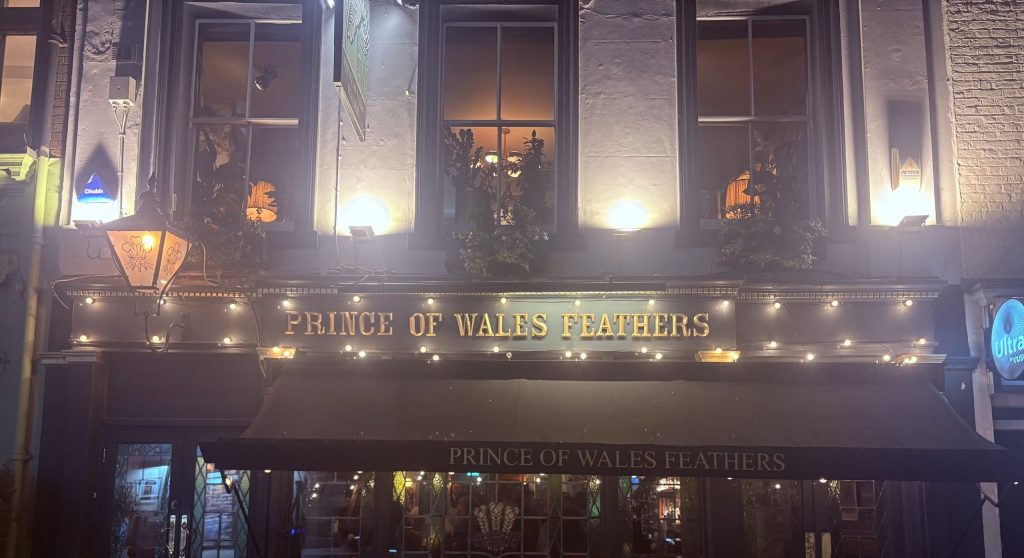
Patrick Prendergast, 26, manager of the Prince of Wales Feathers on Warren Street in London, likens the decline to be a result of shrinking profit margins and increased running costs.
When asked how he sees his business doing in the wake of the growing concerns, Prendergast said: “It’s worrying, but due to us being part of a chain it’s less worrying than for independent pubs owners.
“I think they feel the effects a lot more than we do.”
The supervisor claims that his pub still welcomes a diverse demographic of people, but he did remark that a small percentage of his clientele are of a younger age demographic.
Prendergast said: “I’ve seen a decline in numbers, particularly in the younger generation.
“A lot of them are not as big drinkers as they were ten years ago.
“We don’t get too many people under the age of 21, but that might just be our business.”
And he’s not alone in witnessing this change.
Hughes agrees that since the pandemic that initiated the drive for a healthier lifestyle.
Not only that, but the expense of going out is forcing some to stay home and enjoy rather than go out on the town.
Still, there is nothing better than a well-loved pub that delivers an experience and memories that don’t come at a price.
When asked what are intrinsic elements of a well-loved pub, Hughes said: “The main element is care, for the pub itself, care for the staff, care for the products and service provided, and obviously care for the customers.
“A well-loved pub doesn’t happen by chance or by accident, it needs to be built very much from the ground up, if you lose any of those then everything falls apart.
“Stop caring for the pub, things get dirty, people don’t love the pub. Stop caring for the staff, the staff stop caring, people don’t love the pub, and so-on and so-forth.”
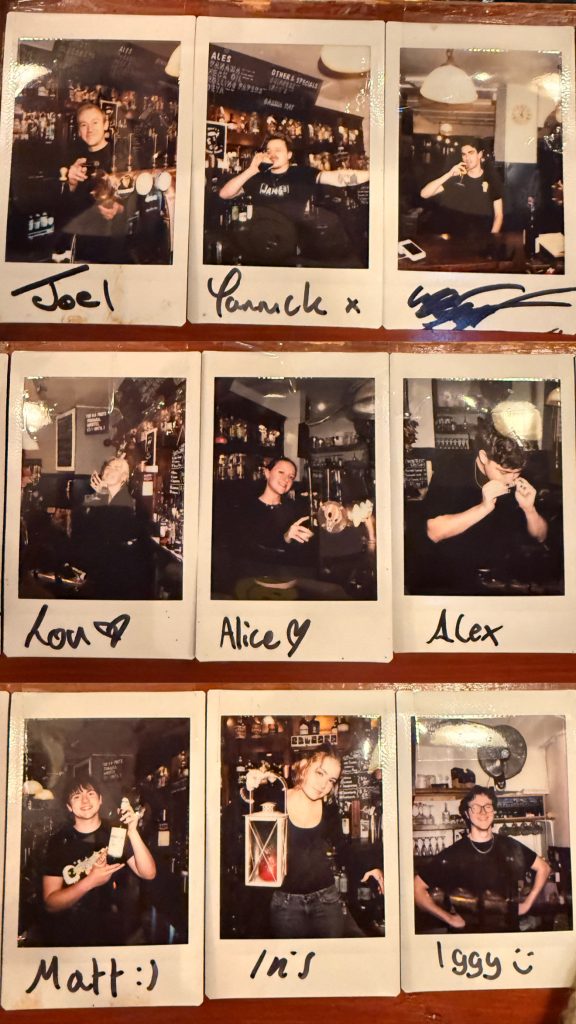
And behind those sentiments is the staff that makes all the difference.
Hughes said: “We’re exceptionally fortunate to have the team we have at the moment.
“A lot of the regulars and office groups who come by often have said it’s that that keeps them coming back, and that which sets us apart from anywhere else in the local area.”
Featured image credit: Smugglers Tavern