Following Great Britain’s most successful Winter Olympics of all time, curling and bobsleigh seem to be all the rage across the UK.
BBC Sport confirmed the 2026 Winter Olympics, which was based in Milan and Cortina, Italy, attracted the greatest audience of all time with “an unprecedented 83 million streams and over 44 million total streamed hours”.
The Winter Paralympics wrapped up on Sunday after celebrating their 50th anniversary with 18 countries winning gold medals, a figure that is joint-highest of all time.
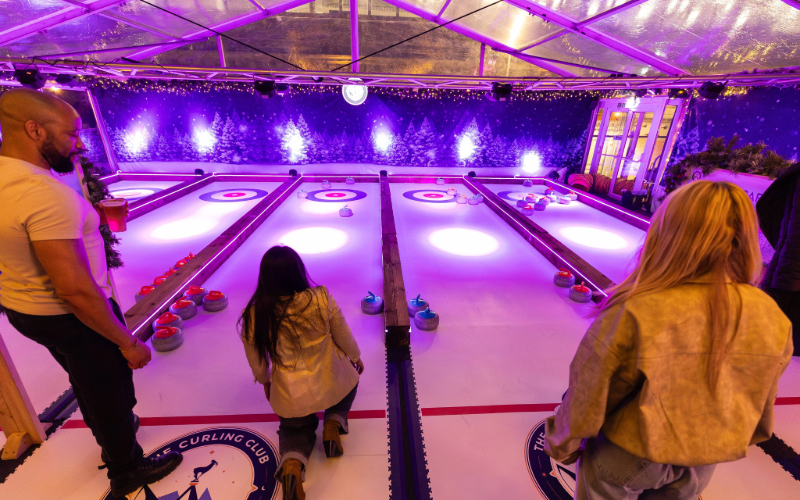
The Curling Club is the UK’s largest place to do floor curling – or grassroots curling – and, thanks to the Olympic coverage, has had a brilliant 2026 season with 30,000 people curling in London and Manchester.
Dylan Salamon, chairman and CEO of the Curling Club, described the floor curling as “the iceless cousin to what you’ve seen at the Olympics”.
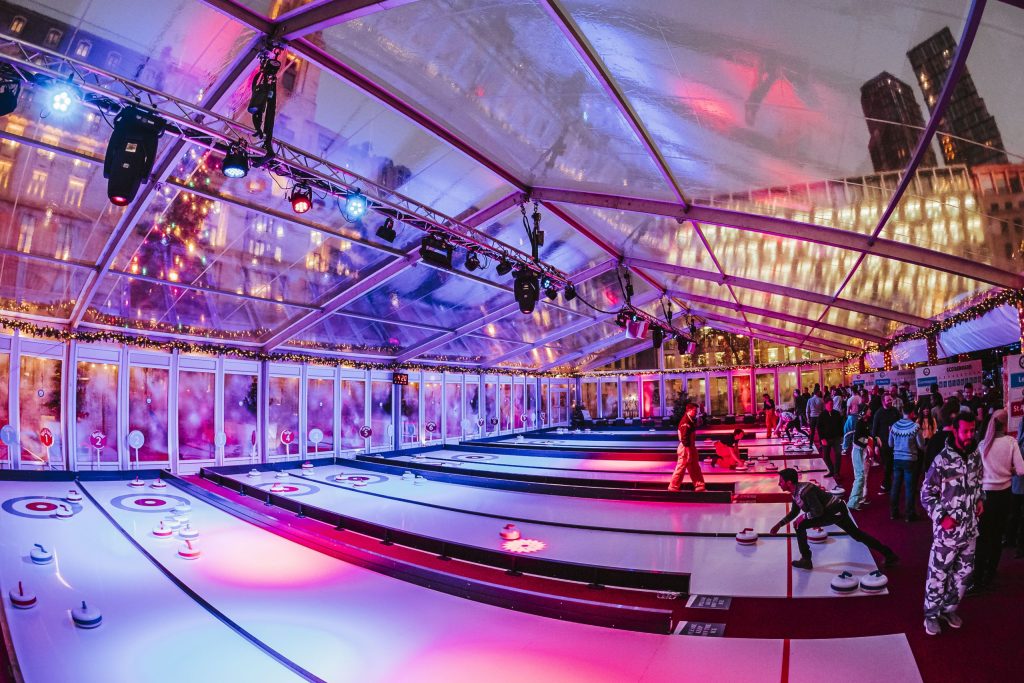
Essentially, the curling stones are on ball bearings and get pushed along synthetic ice without the need to sweep, making it accessible to all.
Grassroots curling is much closer to wheelchair curling with its lack of sweeping, but it still requires real technique and skill to get the win.
Additionally, the club goes into schools in London and gets children playing the grassroots version making it a sport anyone can try their hand at, not just those athletically inclined.
“The kids just light up,” Salamon, who is also a curling coach, said.
The club and its ability to travel is transformative for the sport allowing it to diversify and grow, particularly given there are only three ice curling rinks in England.
Starting in 2021, the Curling Club has grown year on year with Salamon arguing “when the Olympics finishes, curling does not go to sleep for 4 years”.
Emily Hallinan, head of the organisation’s public relations and communications team, said its Vinegar Yard location has been able to stay open until the end March for the first time ever.
The statistics speak for themselves: the Curling Club’s website traffic has been up 198% compared to February 2025, largely down to organic search increases which suggests independent interest and research.
Indeed, the club partnered with World Curling and the Team GB Foundation last year showing they have the backing to push curling into the limelight.
The future could be that Olympic curlers began their curling journey on a grassroots ‘rink’.
Salamon said: “The idea that somebody got into curling through this is not even a high-in-the-sky dream, it’s almost certainly going to happen.”
Following the huge successes of Matt Weston and Tabby Stoecker, the British pair who won three gold medals in skeleton between them, the British Bobsled and Skeleton Association (the BBSA) have seen a record-breaking interest in their unusual sports.
Despite how some might react to diving head first down an ice shoot, the BBSA had 5000 people apply for their talent ID programme, over 1100 of which applied overnight following the duo’s gold, according to Team Bath.
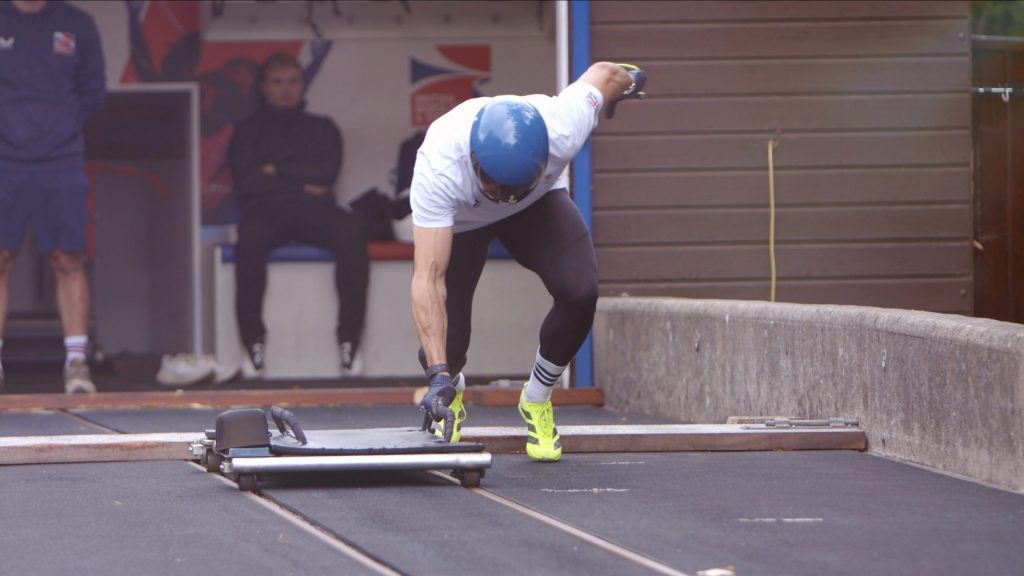
The University of Bath has had many more enquiries from people wanting to use the push-start track since the games began, particularly after Weston’s gold, but their track is just for training purposes.
The next Winter Olympics and Paralympics will be in the French Alps in 2030 – where Britons will be eagerly hoping our curlers and bobsledders have another successful games.
Featured image credit: Justin DeSouza