Charities have hit back at the measures to reduce energy bills introduced in yesterday’s Budget and say the government are not doing enough to help vulnerable people in the face of rising energy bills this winter.
The Budget introduced measures to reduce households gas and electricity bills, including a £100 payment on energy bills for 20 million households in the UK.
The payment, which will affect around two million households in London, will be made directly into homeowner bank accounts for council tax bands A – D.
But charities have said these measures will not be enough to help low-income households and vulnerable people against soaring energy costs this winter.
National Energy Action’s Chief Executive Adam Scorer said: “A £100 cost-of-living payment is a gesture, not a material difference.”
“Its an inefficient sticking plaster against sky-high bills and mounting debt.”
“There is no guarantee people can stay warm when the cost of living has stretched their budgets to breaking point.”
Scorer argued that cold homes would have a knock on effect on peoples health and wellbeing, children’s ability to learn and place strain on the NHS.
Similarly, the Director of Policy and Influencing at Independent Age, Morgan Vine said the government had not done enough to ease financial hardship for older people.
Age UK CEO Paul Farmer said many pensioners were going to need additional financial support.
Vine said: “Every day we hear from older people on low incomes who are cutting back on food, living in cold homes, or skipping showers to keep their bills down.
“This is no way to live.”
Independent Age has called for long-term action to protect the poorest households.
Energy bills are expected to reach £2,192 in January, a 72% increase from October 2021.
The prices have tripped since February, driven by the conflict in the Middle East.
This comes as local authorities in several London boroughs, Barnet, Bromley and Lambeth have asked for permission to increase council tax above the 5% national cap.
There was also backlash from charities over the governments decision to allocate funding based on household’s council tax bands.
National Energy Action argued that using council tax bands to decide where to allocate funds could cause vulnerable families to lose out if the houses they are living in are outside of the allotted band.
This sentiment was echoed by Age UK who said: “Delivering support through Council Tax banding is an inefficient and potentially unfair way of targeting help to those in need.”
They argued households with a higher energy need because of people with long-term health issues conditions or disabilities would struggle this winter as well as people living in energy inefficient homes.
Chancellor of the Exchequer, John Healey said he hoped the measures would relieve the pressure on families struggling to pay energy bills over winter and give them ‘breathing space’.
He also removed the standing charge on gas, expected to save households £100 a year and extended the VAT cut on electricity bills, from its original end date in March to July, which should save households £50.
When approached for comment a HM Treasury Spokesperson said: “No single measure is going to capture every single household, which is exactly why we haven’t relied on the £100 payment alone.
“It will provide quick support to up to 20 million households in England, including 88% of households in the bottom three income deciles alongside £100m for discretionary support for those not eligible for the core rebate.
“And this isn’t the only support available. We’re extending the temporary zero rate of VAT on electricity to 30 June 2027, expected to reduce the April price cap by around £50, on top of the £150 of costs taken off bills in April.”
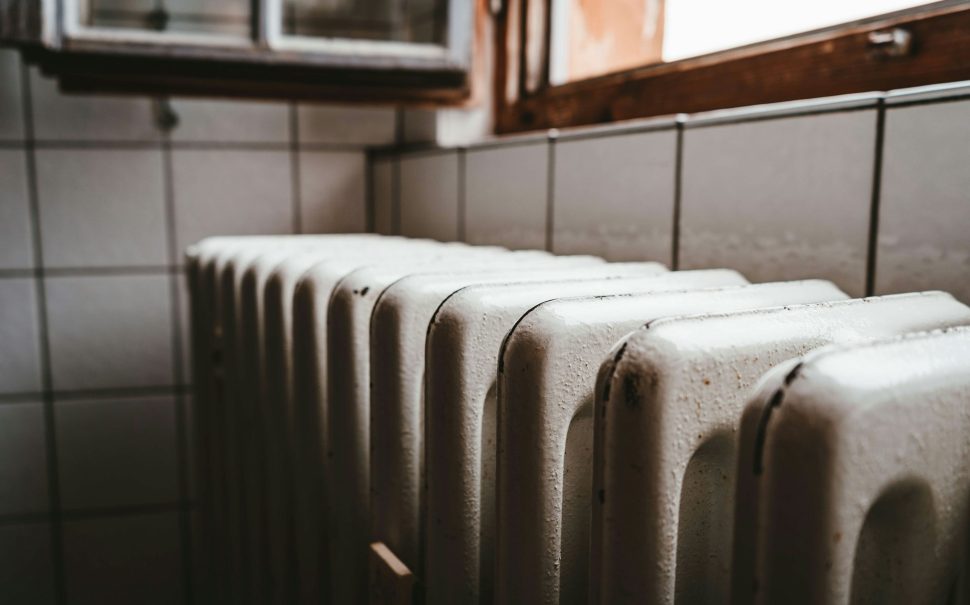
Featured image credit: Julian Hochgesang on Unsplash

Join the discussion