South West London’s high streets are changing, but not collapsing.
From Wimbledon to Putney, shopfronts are being reshaped by how residents now choose to spend their money, balancing rising living costs with a desire for convenience and small everyday treats.
The result is a patchwork of winners and losers rather than a simple story of decline. What feels different in 2026 is how broad the shift has become.
Spending decisions that once favoured in‑person retail or casual dining are increasingly split between local essentials and digital services, reflecting hybrid working and tighter household budgets.
Retail spending moves online
Traditional retail has felt the sharpest pressure. Many households are cutting back on non‑essential trips, choosing instead to bundle purchases online or wait for promotions.
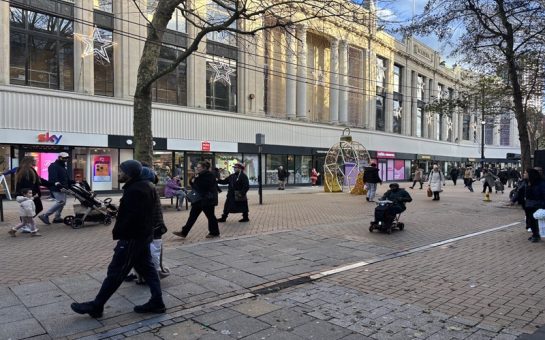
For South West London, that doesn’t automatically mean empty parades. Retail units are increasingly giving way to services, gyms and leisure uses that cannot be replicated by a next‑day delivery van. The challenge is that this transition takes time, leaving gaps that can disrupt the look and feel of local centres.
That digital tilt stretches well beyond shopping for clothes or groceries. Entertainment, subscriptions and leisure are also moving online, where regulation and ease of use influence consumer trust.
People do not go to local betting parlours as much as before. They visit online betting and casino platforms. This matters because discretionary spending that once supported physical venues is now shared across screens as well as streets.
As for the latter, some consumers choose to play their casino games on trusted European casino sites, which typically provide fewer restrictions and offer more payment options than traditional UK websites.
The same principle is applied in the streaming sector – apart from BBCi and similar domestic resources, Southwest Londoners use global platforms like Netflix, and some European alternatives, such as Viaplay.
Hospitality adapts to tighter budgets
Hospitality remains central to local economies, even as habits shift. The sector contributed £62.6 billion to UK economic output and supported 2.6 million jobs by March 2025, underlining its scale as set out in a recent Commons Library sector support briefing.
That importance explains why even small changes in consumer behaviour ripple through high streets.
Spending has not disappeared, but it has narrowed. Data from the Office for National Statistics consumer trends bulletin shows household spending on restaurants and hotels made the largest contribution to modest quarterly growth in Q2 2025.
In practice, much of that spend is shifting from mid‑range dining to coffee shops, fast food and off‑peak deals that feel manageable during the working week.
Digital services grow locally
Convenience has become a powerful competitor to a night out. Delivery platforms, subscription apps and digital leisure services are capturing a growing share of discretionary income, often aided by aggressive discounts.
In the first half of 2025, promotional offers on delivery platforms surged by 93% year‑on‑year, according to UKHospitality trend data.
For local businesses, this creates a dilemma. Digital platforms can extend reach, but they also pull spending away from physical spaces that anchor high streets.
The longer‑term risk is that town centres lose everyday footfall even as residents remain economically active online.
What it means for local traders
Despite these pressures, South West London is not following the national script. Footfall data from Place Informatics shows London recorded a 1.78% year‑on‑year increase in June 2025, with the South West also growing slightly, while the UK average fell.
Mixed‑use centres with strong leisure offers are proving more resilient than retail‑only streets.
For traders, the lesson is clear. Survival increasingly depends on offering something distinctive, whether that is an experience, a service, or a sense of place that apps cannot replicate.
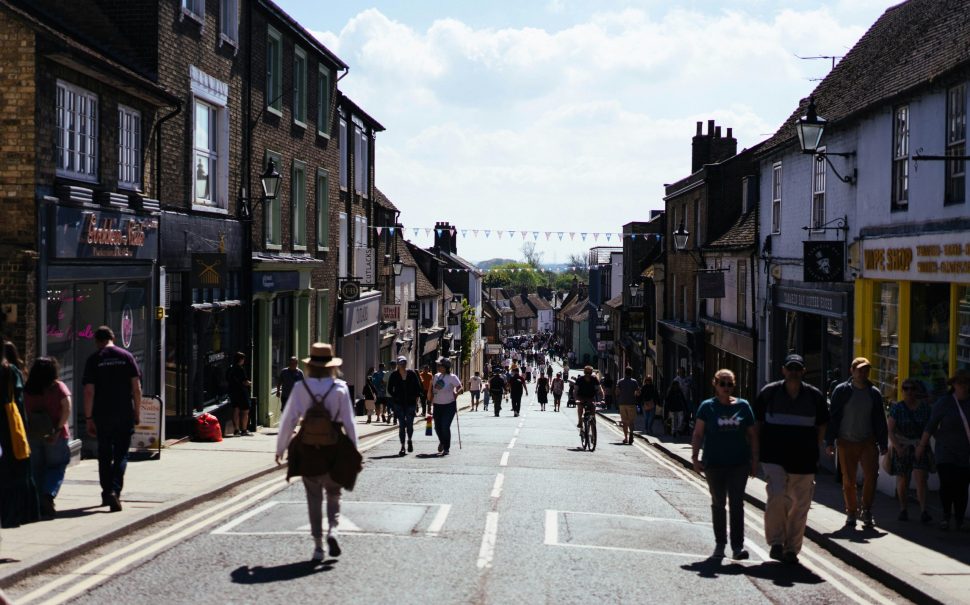
The high street is no longer just where people shop; it is where they choose to spend time, and that distinction is shaping its future.
Featured image credit: Phil Hearing on Unsplash