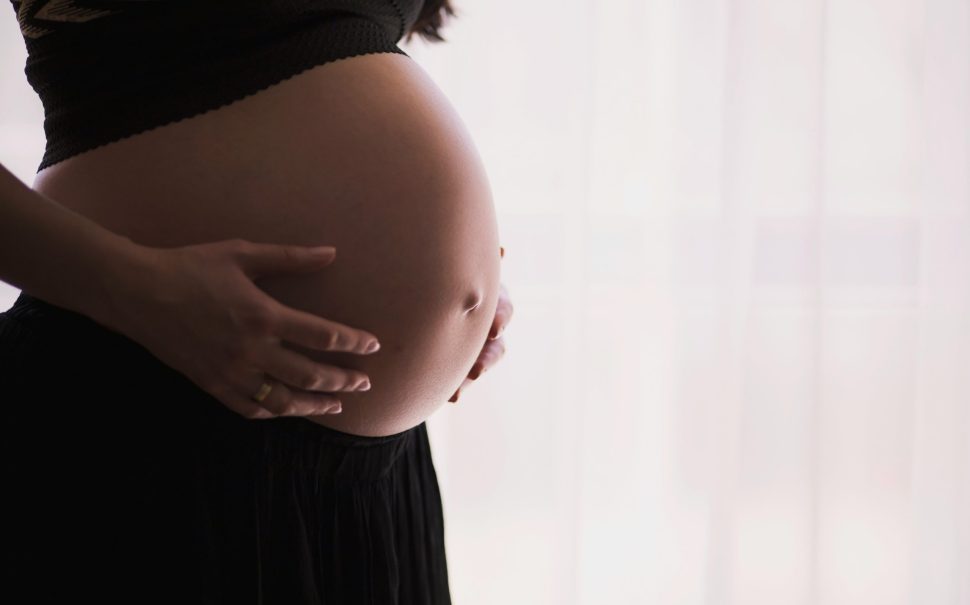
The World Health Organisation (WHO) has pledged a global effort to include more pregnant women in clinical drug trials.
This comes following findings which reveal that 90% of medicines have not been tested on pregnant women before.
By 2030, the WHO is aiming to achieve ‘timely and ethical inclusion of pregnant and breastfeeding women in clinical research for medical health products.’
Testing involving expectant mothers is set to begin this year, working closely with scientists and drug developers to ensure ‘equity and health.‘
The Organisation has already established a global Task Force to tackle the issue of the exclusion of pregnant women in drug trials, but opinions over this decision are divided.
One pregnant woman from London, Z. Needham, said: “To me, this is not an issue of opinion, but one of safety and ethics.
“The bottom line is, not many mothers, including myself, are willing to risk their unborn child’s life just to get new drug trials done on them.”
Pregnant women have historically been excluded from clinical trials due to the risks of fetal harm.
However, others are justifying this by taking the view that while new medication should not be tested only on mothers, other test results can generate significant comparative data.
Another expectant mother, S. Hampshire, said: “Clinical studies could easily include pregnant women who have already decided to receive medical treatment for nausea, migraines, or back pain.
“The results could then be compared to pregnant women not receiving medical treatment, to test whether the medication works and to what extent.
“There is nothing inherently unethical about gathering evidence behind the efficacy and safety of medication, when the treatment (in the form of medication) would be carried out anyway.”
For several expecting mothers, the Thalidomide scandal of the 1950s loomed large as a concern against taking medication during pregnancy.
The named scandal involved the drug being typically used for nausea in early pregnancy, and the lack of testing for the safety and appropriate use of the drug and its effects on unborn babies.
Once taken, it resulted in thousands of children being born with life-changing birth defects due to the medicine being passed through the placental barrier.
This led to the enactment of the Medicines Act 1968, which defines the distinctions between prescription, pharmacy-only, and general sale medicines.
Another London-based mother, A. Patel, who is currently expecting her second child, said: “The scandal left a significant legacy, particularly with older generations.
“This means we, as mothers, are quick to panic when doctors offer us even the tried and tested medicines for pain that comes as a by-product of having a human growing inside of us.”
Drugs which have already been tested on expecting women include insulin, paracetamol, and certain antibiotics.
Some of the most common trials the NHS conducts on pregnant women are CaPE, which includes calcium to help with pre-eclampsia, a pregnancy condition which causes high blood pressure in the second trimester and can have severe effects on both mother and baby.
Other clinical trials on pregnant women, such as those conducted by Imperial College Healthcare NHS Trust in London, include treatments for diabetes and sickle cell disease.
Regarding ensuring the safety of babies during trials, the World Health Organisation’s maternal and perinatal health expert, Mariana Widmer, said: “Research should only proceed when there is a clear potential benefit for the pregnant woman and/or fetus, or when the risk of not having evidence is greater than the risk of participation.
“Independent ethics committees carefully review each study with the fetus explicitly considered.
“Babies are best protected not by excluding pregnant women from research, but by conducting carefully designed, tightly regulated studies that minimise risk while generating reliable evidence.
“Responsible inclusion reduces uncertainty, improves clinical decision‑making, and ultimately leads to safer care for both pregnant women and their children.”
The Department of Health & Social Care have been approached for comment.
For advice regarding taking medication during pregnancy, please contact your GP.
Featured image credit: @freestocks via Unsplash