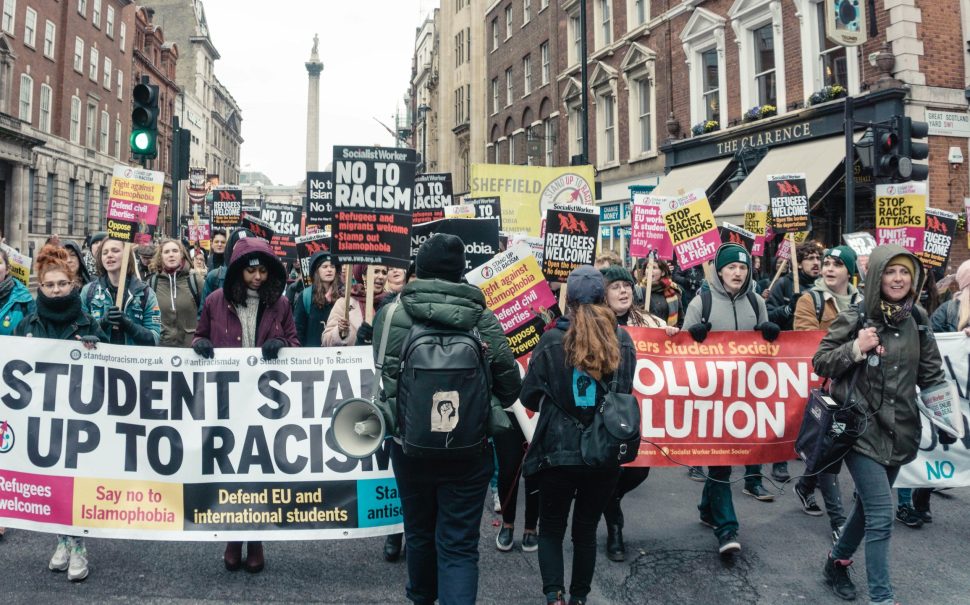
Some students believe universities fear and actively repress student activism to protect their own economic interests and partnerships.
Student activism has been at the core of academia for a long time, and has also been instrumental in movements such as the March for our Lives in the USA and Greta Thunberg’s Fridays for Future climate strikes.
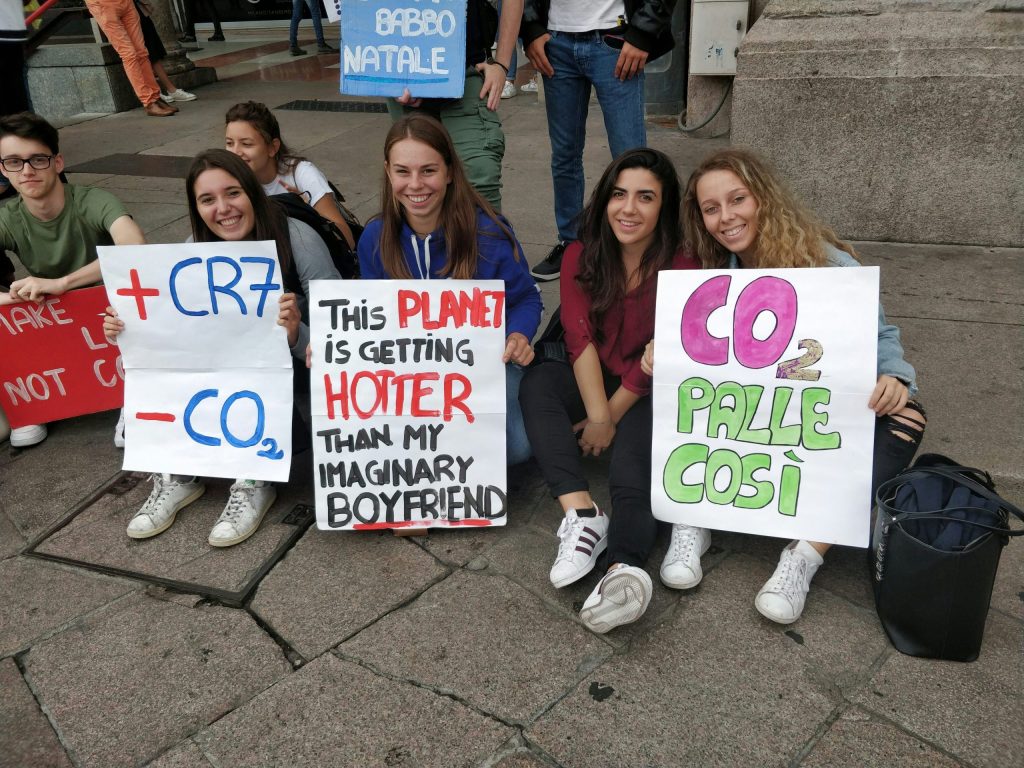
Throughout history, it has made a significant impact, including during the South African apartheid, with protests leading to universities divesting from the state, as well as in 2010 when students in the UK protested against the rise in tuition fees, which led to said fees not being raised in Scotland, Northern Ireland and Wales.
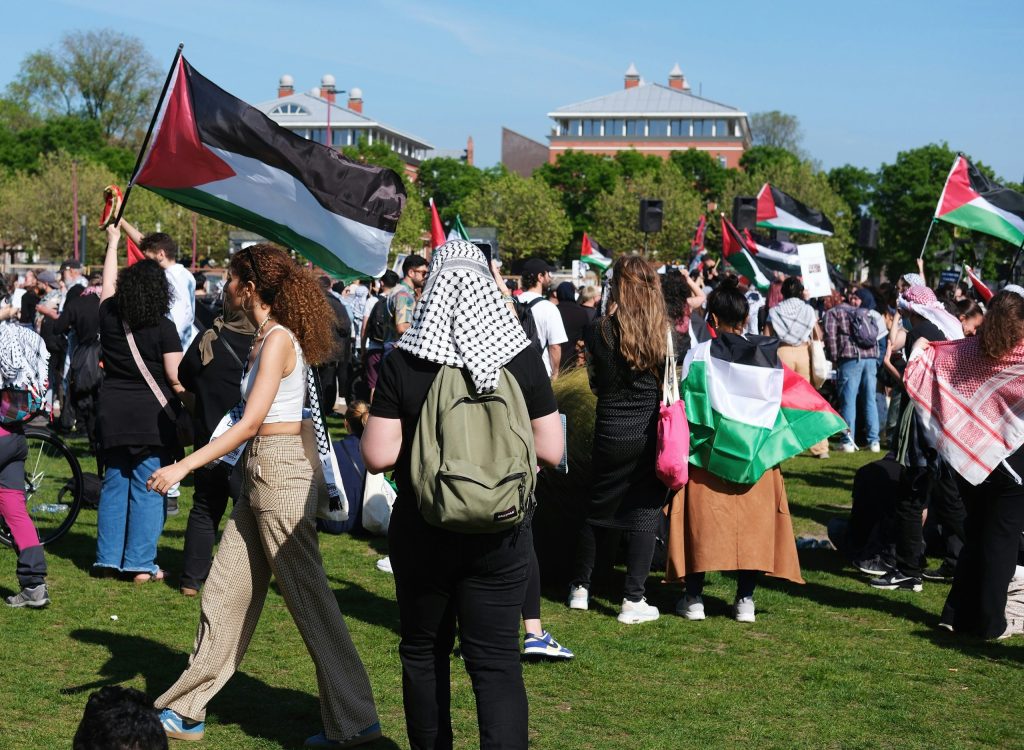
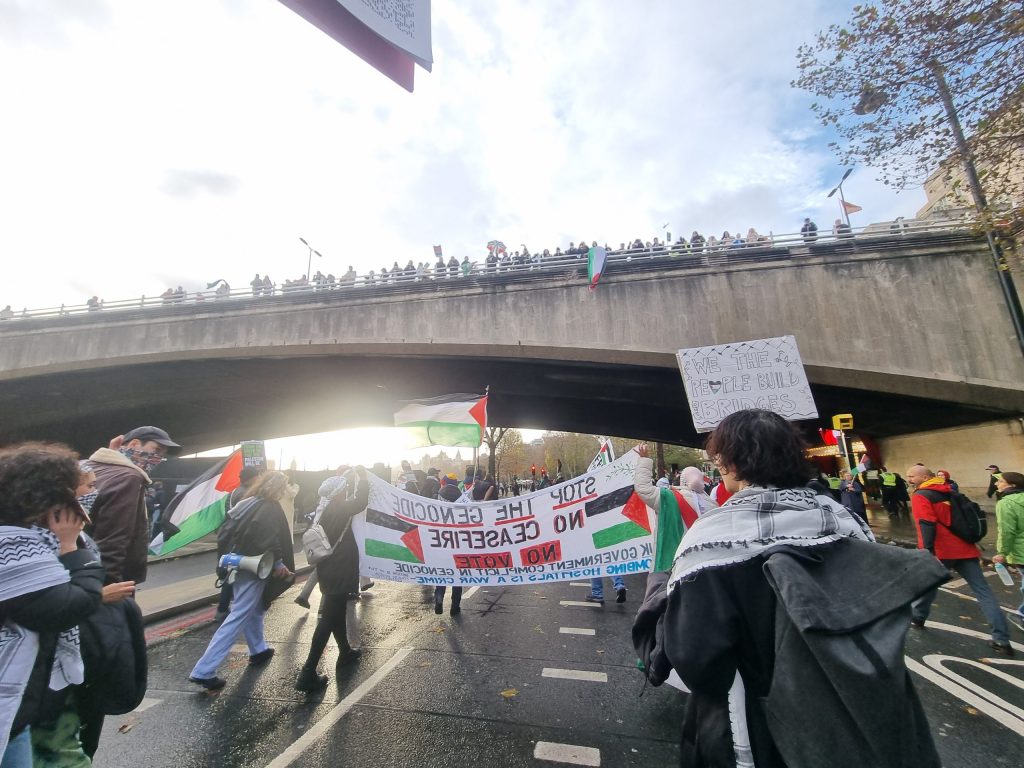
Since October 7 2023 when Hamas attacked Israelis at the Nova music festival and subsequently Israel launched its military assault on Gaza — amongst its continuous occupation of the Palestinian territories since 1967 — students in UK universities have made waves in protest asking for their universities to stop investing in organisations that fund the IDF and Israel, or operate in the country.
The most significant protests were the student encampments throughout 2024 in both the UK and USA, with 36 being established in UK universities.
Rille Raaper, a professor and director of research at Durham University believes that student activism has become restricted and heavily monitored.
She said: “The key focus for universities has become to protect the student as consumer and their satisfaction, and to avoid a situation where some students’ rights and experiences are violated by student activist groups.”
The SW Londoner conducted a survey with a group of students, aged between 18 to 33, to understand their own opinions on student activism, as well as their beliefs of university attitudes towards it.
They have been involved in or know someone who has been involved in student activism in some way throughout their university life.
Many of the students who filled in this survey also believe that universities have gone too far in their steps to deal with student activism, claiming they have been repressed, which begs the question: do universities fear student activism?
Raaper said: “I think that the UK universities are scoping the boundaries of how far the regulation of student protests could go.
“I believe it is currently a messy territory where student protest is difficult but still possible to happen.”
She said: “I do think that universities fear student activism.
Raaper noted an example of how far universities are willing to go to restrict student movements, such as when the University of Cambridge and the University of Cardiff were successful in getting the High Court to temporarily ban Israel-Palestine campus protests.
She said: “It may be that these universities were worried that student protests could have disrupted other students’ academic studies or graduation experience, leading to costly consumer complaints.
“However, one does have to think about the implications of such measures on universities as places of democratic participation and free speech, and the example these may set for the future of the UK.”
One student said: “When the protest has a potential of negatively influencing the university, then they get scared.”
87% of the sample agreed with student activism, arguing it is a democratic right and unites people on a common issue, whereas others say by protesting you put yourself in a vulnerable position.
One student, who wished to remain anonymous, said: “I pay money to go to university, so I should care about what it’s used for and I should be able to have my say on how the university is run.”
But some disagreed on its importance, with one saying: “Doesn’t make a difference, it gets the students in trouble.”
Student activism has been shown throughout history to have tangible impact, with some saying it sets a precedent, as the next generation of workers creates an uproar before employment.
One student said: “I don’t think my uni would’ve tried to sue 1 poor student personally £9k over the student encampment if it wasn’t doing something (getting lots of bad press).”
Another said: “It can hold universities to account as powerful and wealthy institutions.”
Raaper also believes that student activism has an impact, citing global movements from the past where students not only shaped the direction of policies, but they gained more presence in university governance as well.
She said: “I do think that student activism is a force to be reckoned with.
“I can’t think of any other infrastructure that could lead to such a mass scale movement if even a fraction of these students decided to mobilise and take collective action.”
The sample of students believe that universities are not supportive of student activism, but they should be.
One said: “They’d rather just stick to their old policies for ease and convenience, but student activism is essential for creating a sense of belonging at uni, and making sure your voice is heard.”
Another said: “If you do not protect the right to protest , you are playing a dangerous game.
“Further to this, if you do not protect your students from censorship, you are allowing censorship to gain a foothold in the university space.”
But one student offered opposing views.
They said: “You are there to learn, not to become a Marxist and prance about oversimplifying Middle Eastern conflicts.”
Students have suggested many ways in which universities can support student activism, such as informing students of initiatives and making efforts to facilitate their demands, rather than penalising them.
One student said: “Allow student unions more power, listen to concerns of students over money making.”
Raaper said: “In my opinion, student activism should be seen as a form of citizenship that not only promotes civil liberties and engagement, but allows students to learn about society, social inequalities and the role of universities within this.
“I appreciate that universities may need to have some boundaries to protect their communities (and their estate), but banning and disabling student activism is not a right solution for the future that requires citizens to speak up and keep the public organisations accountable.”
There are mixed experiences of university attitudes towards student protest, with some claiming that the attitude is based on what the topic is about.
One student said: “My university used force to get student protestors but in their defence it was because protestors had occupied buildings.”
Another said: “I was at uni 2013-2017 and then again in 2023- two entirely different experiences, there was always some opposition to student movements, but in 2023 the crackdown was very heavy handed.
A YouGov poll reported similar attitudes towards how much protests in general are policed in the UK, with 22% saying it is too strict.
With mixed opinions about how universities respond to student activism, it is clear to see that this issue is not going away.
Featured image credit: Y K via Unsplash