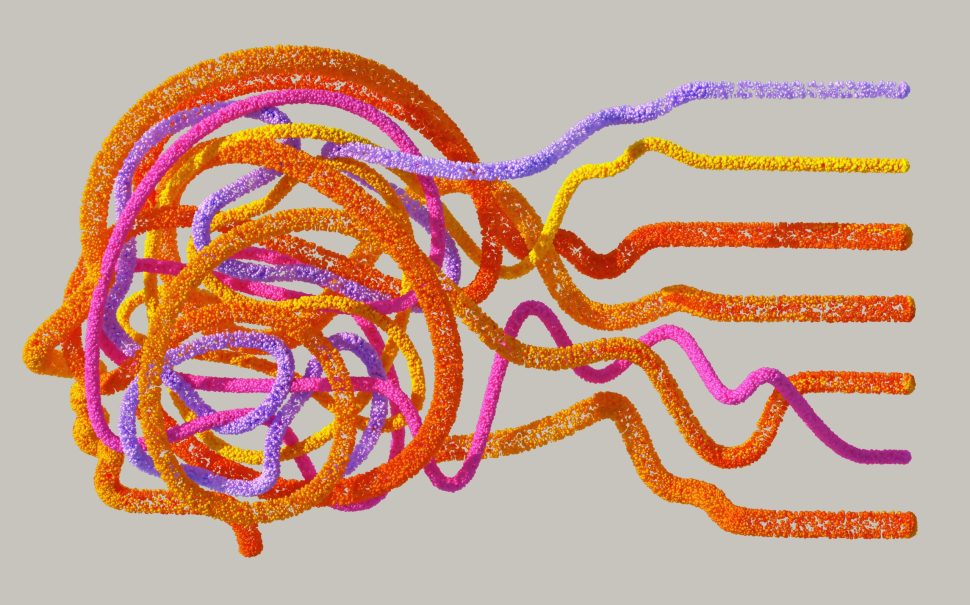
Female university students, mothers and women in their 40s going through perimenopause are all tackling the battle of having ADHD.
In recent years there has been lots of debate around whether ADHD is taken seriously enough among women’s health, while some people have claimed there has been an overdiagnosis.
The rise of people getting diagnosed with ADHD largely comes from women in their 40s or older who were diagnosed with another condition earlier in life – such as anxiety, depression, bipolar and personality disorders.
Celebrities like Katie Price were diagnosed with ADHD at age 45, podcast host Mel Robbins found out at 47 and film director Greta Gerwig was diagnosed as an adult in July 2023.
In December 2025, Health Secretary Wes Streeting launched an independent review into rising demand for mental health, ADHD and autism services in England.
He said there was an overdiagnosis with 14% of adults reporting ADHD symptoms, up from 8% in 2007, although experts believe only around 5% or just under have clinically-diagnosable levels of ADHD.

Streeting said too many people were being “written off”, but the data from the National Institutes of Health shows the sharp rise is due to women receiving a diagnosis later in life, particularly women aged 30 to 49 and growing numbers of women over 50.
Stephanie Boyles, 44, was diagnosed through the Right to Choose Scheme, which began in 2014 and has made it easier and quicker to get diagnosed for neurodevelopmental assessments like ADHD and Autism.
She decided to go through with medication and has since found it life-changing.
Boyles said medication, support and adjustments to how she works and day-to-day life have really helped and given her freedom and self-acceptance.
She said: “If you’re sensitive, then medication might not be best as it’s a stimulant.”
Knowing how her brain works and being diagnosed, Boyles is able to determine signs of ADHD that her daughter may have too and advocate for her.
Boyles is a Candy Crush warrior on around level 13500 and said: “Mindless games gives your brain a rest.
“It’s very important in order to not get overstimulated, especially in loud environments like train stations.”
When at school, Boyles said she couldn’t sit still, and reports often said she had potential but needed to apply herself.
For girls with ADHD at school, it is common to be mislabeled and dismissed, and this is particularly prevalent among late-diagnosed women.
The NHS explained that childhood and adult rates differ, with boys frequently diagnosed during early childhood (around ages 6 to 8), and girls often going undiagnosed because their symptoms present as inattentive or internalised rather than overt hyperactivity.
Tate Lambie, 20, is a university student in the process of getting diagnosed but has been left frustrated that she has not been taken seriously.
She said: “It’s one of those things I was supposed to have gotten diagnosed in secondary school.
“I put through forms, and my teachers filled out forms for support.”
Many people have claimed to find that learning support plans made by schools pre-diagnosis are not taken seriously when taken to higher education, workplaces or important exams like driving theory tests until official paperwork by psychologists is completed to get the same or better support.
Lambie added: “I tried to go through the university to get them to support me in trying to get a diagnosis, but they weren’t helping me, so my mum said we’ll go private.
“Going private, specialists said, it shouldn’t take any longer than a month or so.”
Going private means paying between £200 and £600 but is sometimes the only solution, with NHS waiting times currently between two to ten years.
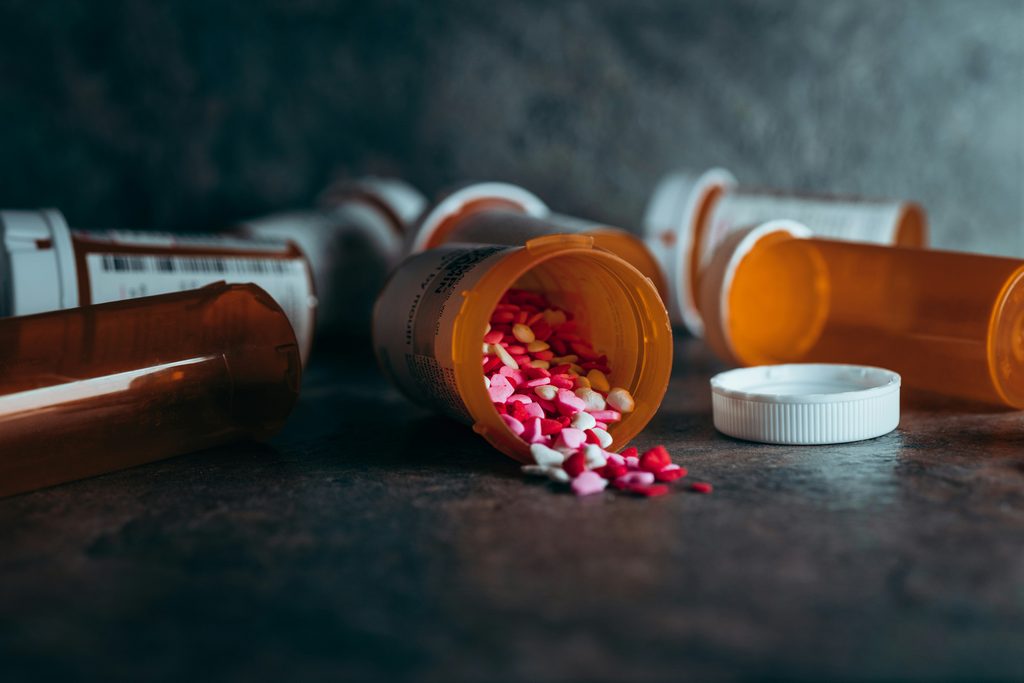
If you get tested privately and then an NHS GP agrees to a shared care agreement, then you would either receive your medication for free, or pay £9.90 a month.
But if the GP does not pay for a private prescription, medication can cost anything from £50 to £200 a month, plus prescription or dispensing fees.
Featured image credit: Google Deepmind, Unsplash



Join the discussion