
The UK has dramatically reduced the number of emissions from public electricity generation in the past 34 years, according to data released from the Department of Energy.
In 1990, the sum of emissions from electricity generation amounted to 203.9 million metric tonnes of carbon dioxide equivalents. Since then, that number has gone down to 37.6 MtCO2e as of 2024.
However, this dramatic and consistent decline could now be undermined by the push for large data centres.
Donald Campbell, Director of Advocacy at the energy supplier Foxglove, said: “Globally, the huge boom in the construction of massive data centres, with huge energy requirements, risks driving up carbon emissions, leading to even greater harm to the environment on which we all depend.
“US Big Tech firms are pushing for the construction of large numbers of data centres to provide the computing power for their generative AI tools.
“The Government, which is too close to the Big Tech firms, is helping to push these through.”
The Department for Science, Innovation and Technology was contacted for a right of reply and said the following: “Our ambitions for data centres are paving the way for infrastructure that the UK can rely on for decades to come, and that will power breakthroughs in everything from health to solving environmental challenges.
“Data centres will increasingly be powered by renewables and the sector already operates under a Climate Change Agreement to encourage greater energy efficiency. Additionally, our AI Energy Council is exploring opportunities to attract investment in new clean power sources for the industry, while the planning system takes water scarcity into account.”
Over the years, cumulative electricity production emissions have remained the biggest contributor to UK greenhouse gases.
Despite this progress, predictive figures based on cumulative data suggests this will go back up.
Ofgem stated that the amount of energy required for a further 140 proposed data centres in Great Britain could require more energy than the current peak demand.
For the average consumer, that risks a rise in energy prices as production rises to meet the increased surge.
Data centres also produce a vast amount of heat that requires constant cooling to avoid them crashing.
A Thames Water spokesperson said: “Data centres can use upwards of 25-100 litres of water per second during peak times, which is the equivalent of 6,000-24,000 homes usage.
“It brings a challenge between safeguarding our finite resources and supporting the UK’s growth strategy.”
A notable criticism is that data centres are not legally required to declare the amount of energy and water used.
Recently the government also conceded its error in not ensuring sufficient environmental protections for the proposed Woodlands Park data centre in Buckinghamshire.
Campbell said: “It’s encouraging that the Government has recognised its error, but it shouldn’t have had to be dragged to the courts to do so”.
In response, The Department for Science, Innovation and Technology said : “If the Court ultimately quashes the planning permission, it falls to be redetermined by the Housing Secretary. It would not be appropriate to comment further as the case is still subject to live litigation.”
2024 saw the UK cease to use the polluting fossil fuel, as the last coal-fired power station closed for good in Nottinghamshire, marking the deliberate turn towards a cleaner future for the UK.
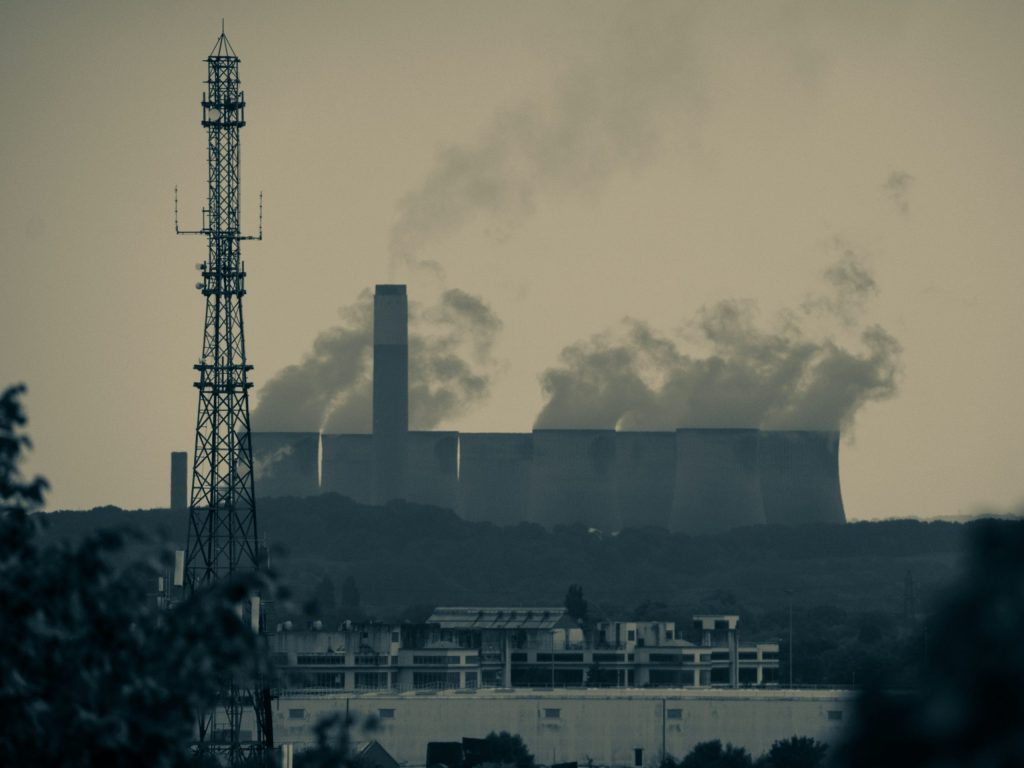
It was under the promise to embrace a fully clean form of electricity production that Labour secured their election victory in 2024.
The bar has been set high with the target of 100% clean energy usage by the year 2030 alongside Net Zero by 2050.
Currently, the National Grid states that renewables account for 44.9% of the UK’s electricity production as of January 2026, with wind contributing nearly a quarter, a marked increase.
Against this backdrop, the government invested around £240 billion to meet its ambitious 2030 goal.
Chris Stark, the head of the Mission Control Centre for Clean Energy, told CarbonBrief the UK needs to become an ‘electrostate’, one built on clean-energy technology that is not codependent on other states for stable energy supplies.
A significant factor in the urgency for this was the war in Ukraine which exacerbated the cost of living crisis caused by volatile fossil fuel prices.
Today, geopolitics continue to affect the supply of fossil fuels with the attacks on Iran resulting in the closure of the Strait of Hormuz. A pathway providing passage for around 20% of the world’s oil.

To reach the ambitious goal of clean energy by 2030, the UK’s gas power stations must now reduce their usage to no more than 5% of the total power production.
The move towards cleaner energy creates its own obstacles as the government races to meet its own timelines while also promoting infrastructure that will add more strain to an already outdated energy system.
One such example is the previous Conservative government’s push for the zero emission vehicle mandate. It seeks to ensure that by 2035 all new cars and vans in Great Britain will be electric.
Andrew Brem, General Manager of Uber UK, said: “London is Uber’s top city for EVs worldwide, with well over 10,000 electric vehicles on the platform in the capital.
“However, the availability and up-front cost of EVs can still be a barrier for many drivers.
“The ZEV mandate coming into force is a significant moment which will help to drive down the costs of EVs and increase supply – accelerating the uptake of EVs over the next decade.”
With financial incentives to charge their EVs at off-peak times for a cheaper rate, it’s not expected that this will add much strain to the grid system.
Comparatively, the government’s push for more data centres in the UK is cause for concern and already seeing massive community backlash with controversial projects like the proposed Truman Brewery data centre being pushed back by community campaigns.
Featured image credit: Jeffrey Zhang on Unsplash