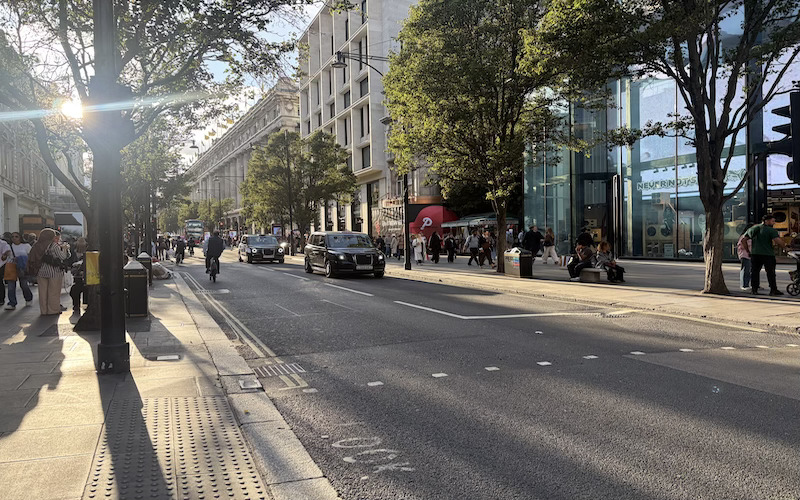
Residents fear the pedestrianisation of Oxford Street will push buses, congestion and pollution into the quieter residential streets of neighbouring Marylebone.
The first section, between Orchard Street and Great Portland Street, is due to become traffic-free in the second half of October, with several bus routes diverted north onto roads including Wigmore Street and Henrietta Place.
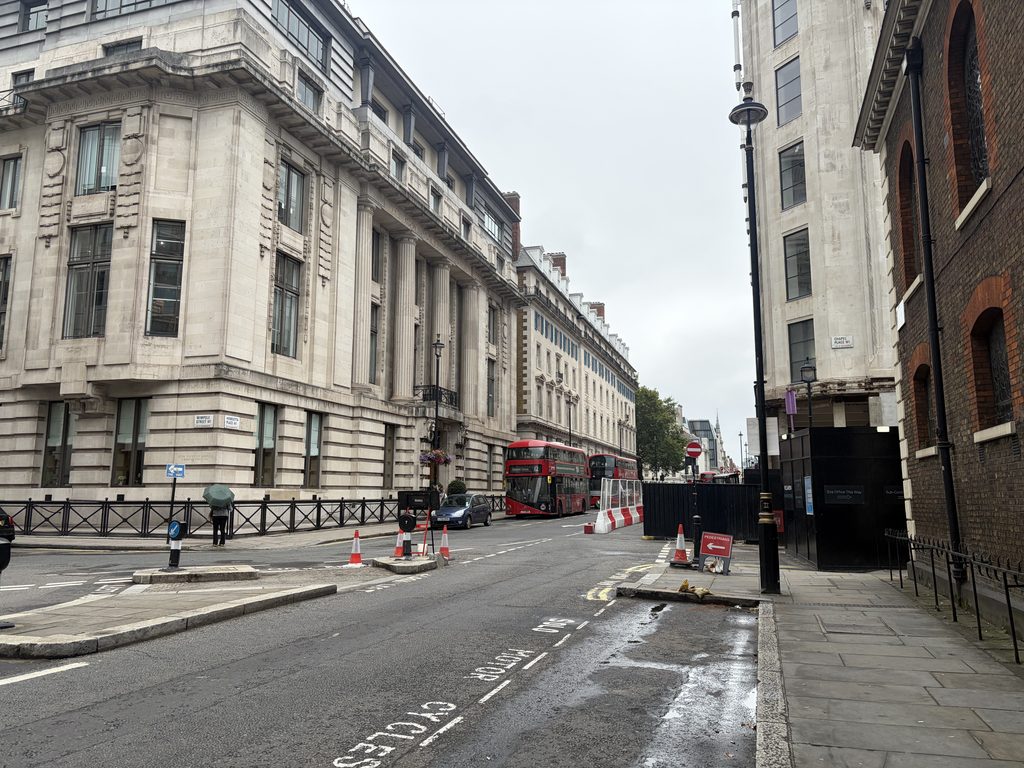
The pedestrianisation is intended to create a calmer, more walkable Oxford Street, but residents and businesses in Marylebone fear the improvement could come at their expense.
Yehui Wu, who lives in the area with her children, aged seven and four, said families risked being forgotten in a debate often focused entirely on Oxford Street.
She said: “People just think of Oxford Street as this big shopping road, but there are actually human beings who live around it, families who live around it.”
Her children use roads expected to take diverted traffic, including Wigmore Street, which the Marylebone Association calculated as expecting to take around 46 additional bus movements an hour at peak times.
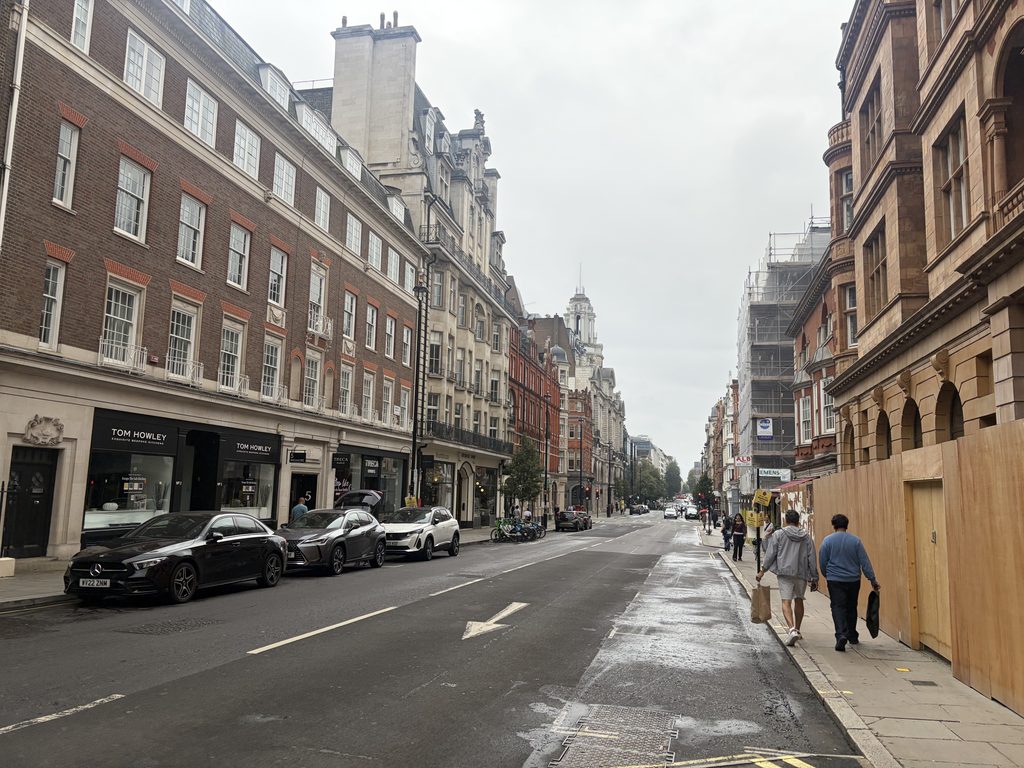
Describing the neighbourhood as ‘quite villagey’, Yehui said: “Some of the streets are quite quiet. I don’t imagine they will be for too long.”
She added that extra buses could make cycling with children more difficult, while George Street was already narrow and busy around schools.
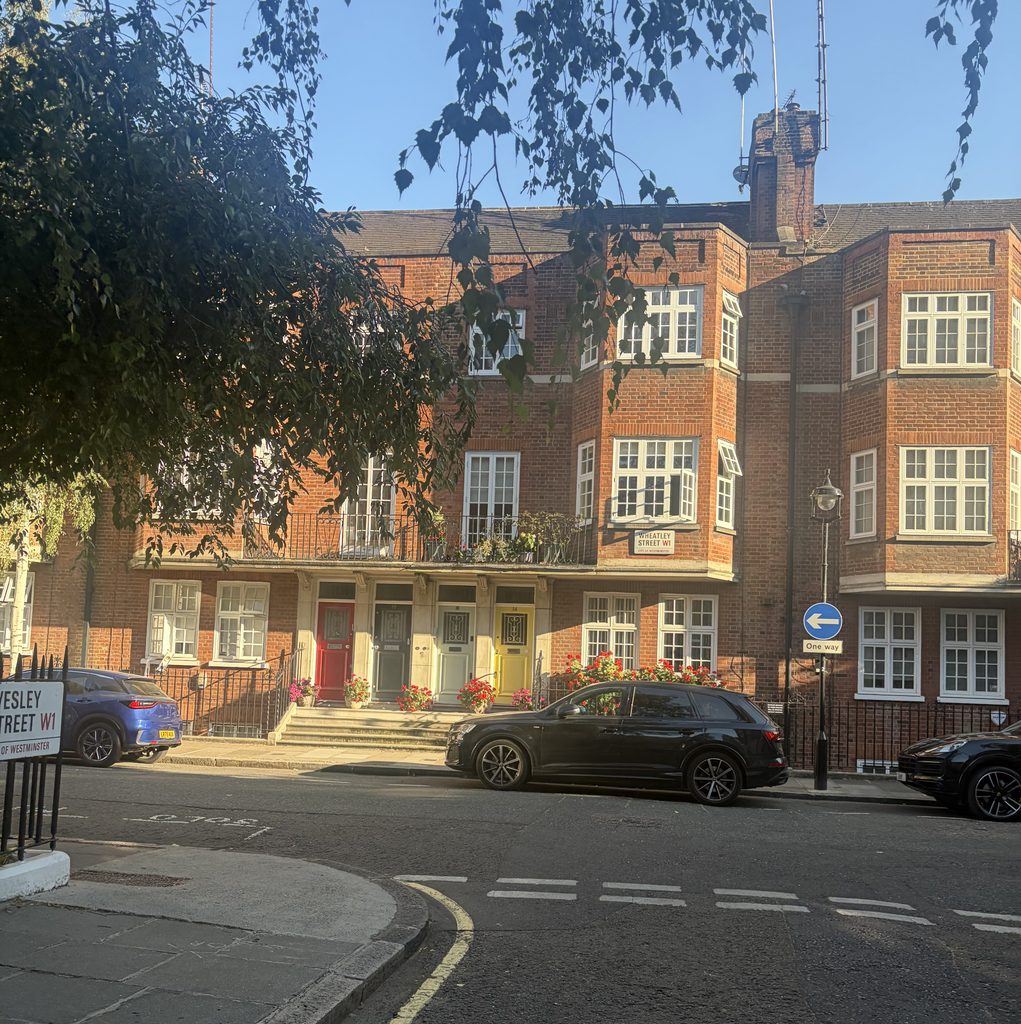
Her concerns echoed warnings from the Marylebone Association, which said months of objections had failed to produce meaningful changes.
Michael Bolt, honorary secretary of the association, said many of its objections to the scheme had not been addressed.
He criticised the way the scheme had been taken forward through the Oxford Street Development Corporation (OSDC), arguing that it had weakened the influence of elected Westminster councillors.
He said: “It is an example of pure autocracy.
“I would say there is nothing in this scheme that has been changed as a result of any comments from us.”
He added that a September briefing with Transport for London and the OSDC had focused on preparatory roadworks and expected disruption rather than reconsidering the association’s wider objections.
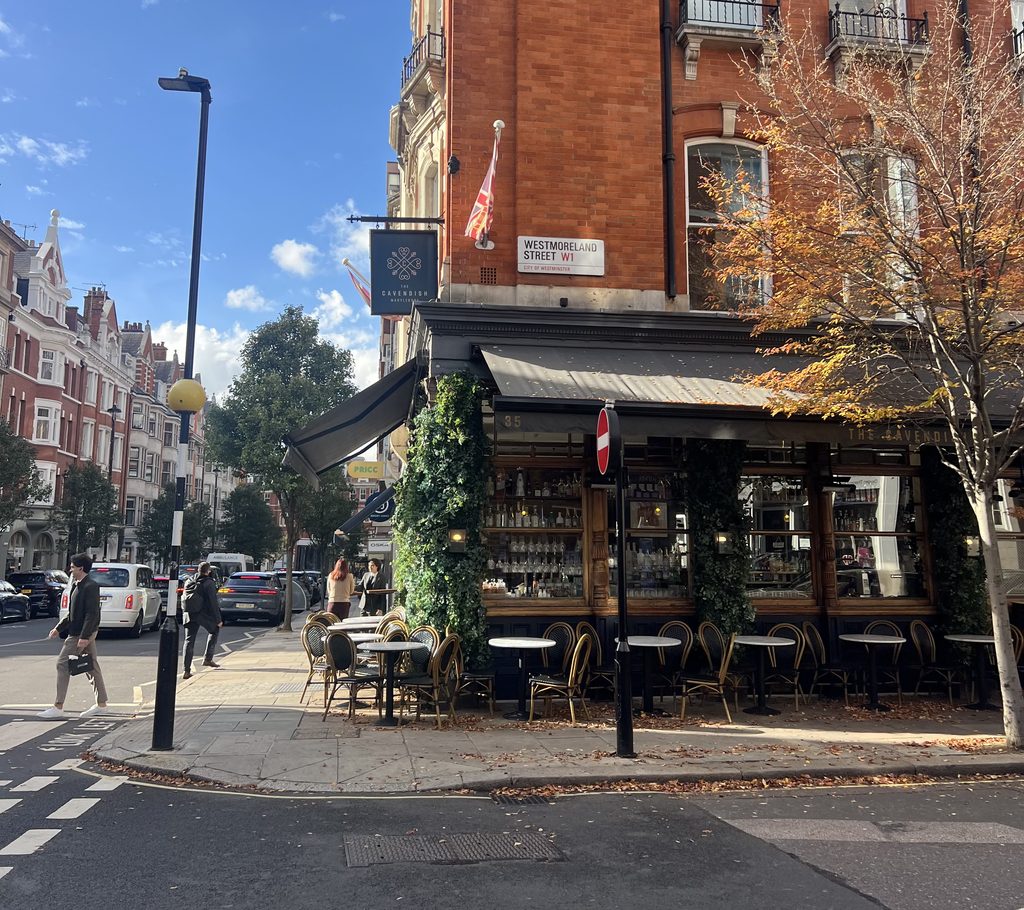
A spokesperson for The Cavendish pub on New Cavendish Street said rerouted buses could bring ‘less footfall and more traffic pollution’.
They added the pub may have to increase advertising efforts, including installing a hanging board to attract customers.
But not every business opposed pedestrianisation.
Tony Robson, director of Wigmore Street-based bespoke kitchen and furniture company Roundhouse Design, said: “We’re supportive of what’s being attempted on Oxford Street.
“It has needed a serious rethink for a long time, and a calmer, better-quality street is good for the whole of the West End, Marylebone included.”
However, he warned: “Traffic isn’t so much being removed as moved a few hundred metres north onto streets where people live as well as work.
“That deserves to be properly assessed and managed rather than assumed away, and the people raising it are our neighbours, not obstacles.”
Cornelia Barrett, a resident since 2000, was also sceptical.
Discussing traffic displacement, she said: “We’re saturated here, but I didn’t think Oxford Street was saturated.”
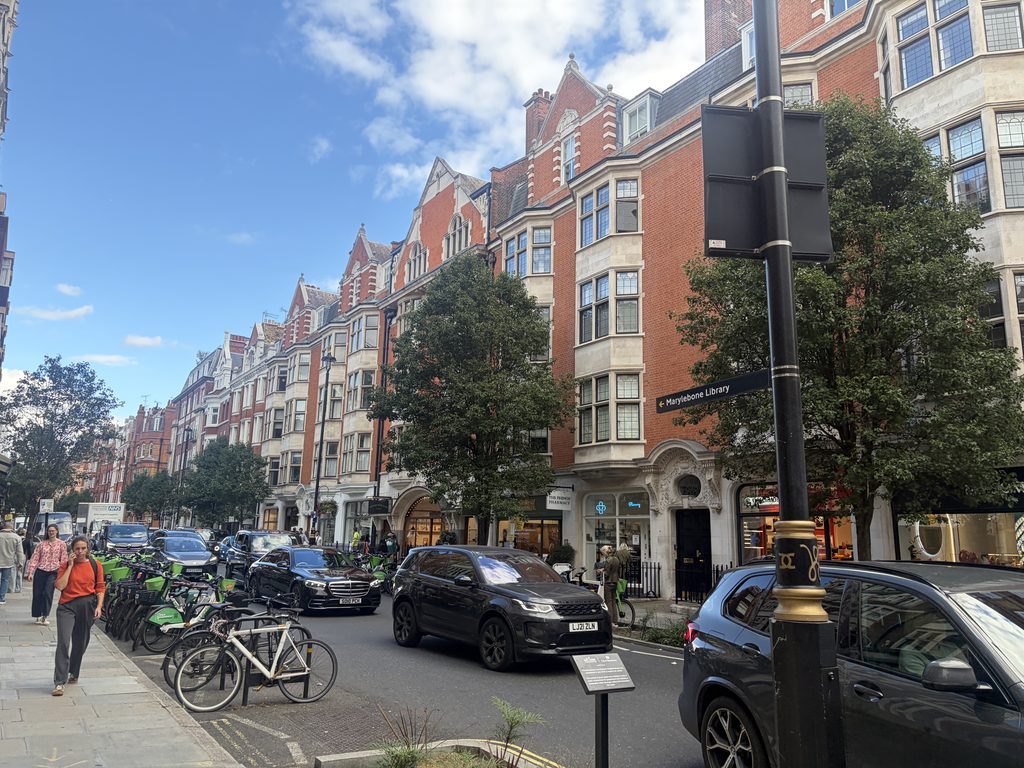
Barrett was also unconvinced that increased footfall on Oxford Street would spill over into Marylebone businesses.
She said: “I don’t think it’s going to push anybody to come up here. I think people come to Marylebone for a different reason.
“The bottom line is, I don’t get why they’re doing it.”
A spokesperson for TfL said it had modelled traffic, air quality and noise impacts and would monitor the scheme after implementation, introducing mitigation where necessary.
A spokesperson for the OSDC said the late-October changes were a ‘transition scheme’ subject to a test-and-review period, with feedback from residents, businesses and the Marylebone Association helping shape the permanent scheme after 2027.
Feature image credit: Justin Bond