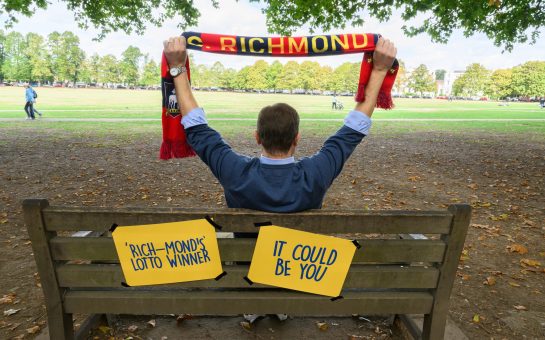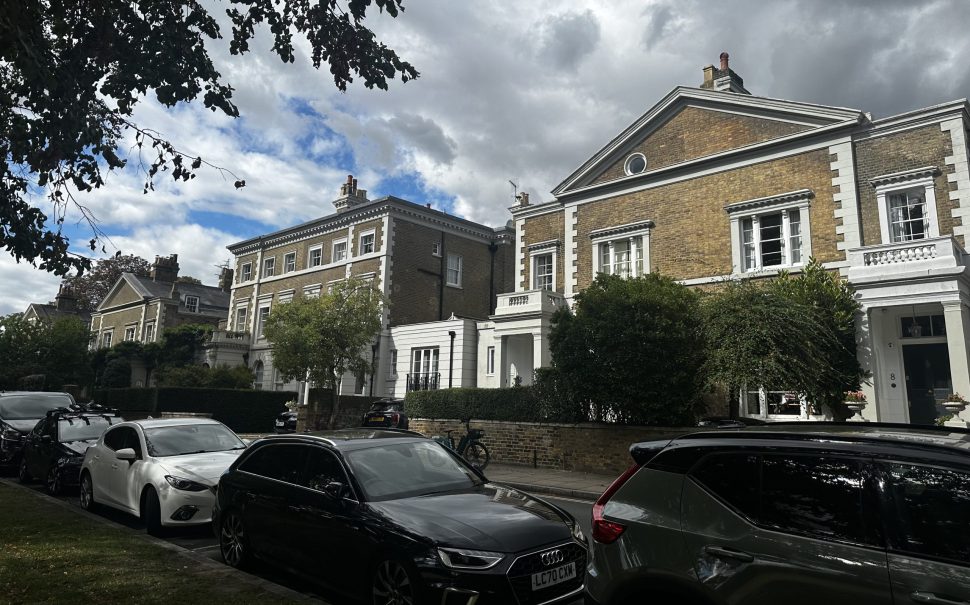
Richmond Council is fighting back against a mansion tax policy set out by Chancellor John Healey.
HM Treasury set out a plan last year to tax homeowners whose properties are valued £2million or more, affecting more than 165,000 homes – according to The Office for Budget Responsibility.
The mansion tax plan will see homeowners whose properties are valued over £2million taxed at £2,500 a year, with figures reaching as high as £7,500 for homes valued at £5million or more.
Richmond Council has written a letter to the chancellor, John Healey, expressing its disapproval.
Leader of Richmond Council, Cllr Gareth Roberts said: “The Government is seeing Richmond residents as cash cows that they can milk to fix funding gaps elsewhere in the country, irrespective of whether they can afford to pay this new tax.
“Many Richmond residents have lived in the same homes for decades, raised families, contributed to their communities and grown older locally.”
In fact, just eight homeowners on a single street in Richmond could be expected to contribute £49,500 in extra property tax between them.
The tax was brought to the chancellor’s attention when asked about the recent autumn budget.
John Healey said: “Some people call it a mansion tax, but this is a top rate that’s not there at the moment and it will help make the system just a bit fairer.”
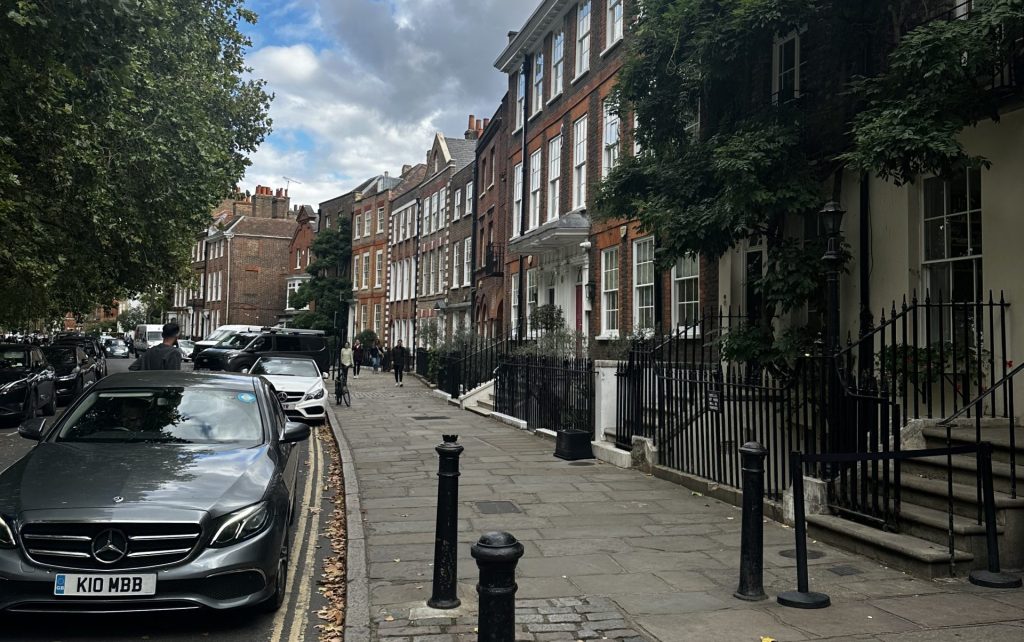
Richmond is home to a wealth of properties that meet the £2million threshold. Some of these streets include Montague Road, Park Road, Kings Road, Mount Ararat Road and Marchmont Road.
According to Zoopla, Montague Road has around 100 properties. Approximately 20-25 houses are estimated to have a value which exceeds two million.
Half of the sixteen properties sold on Montague Road over the last five years are now estimated to be worth from £2million to over £5.5million.
The amount of Richmond homes valued over £2million is 6.1%, which is above the national average of less than 1%.
Wandsworth, Kensington and Chelsea and Westminster councils also oppose the chancellor’s decision. The four boroughs would be expected to contribute over half of the £400million revenue which the plan hopes to produce.
The mansion tax policy will begin to impact homeowners from April 2028.
Featured image credit: Teddie Barrett